 by
by Flock Safety Cameras Become Subject of Heated Controversy
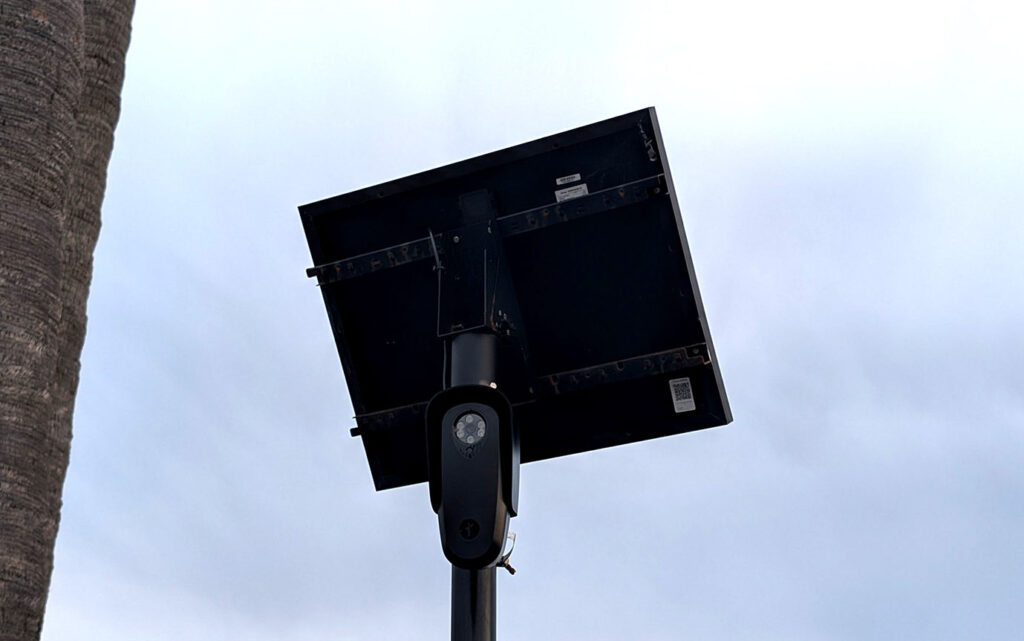
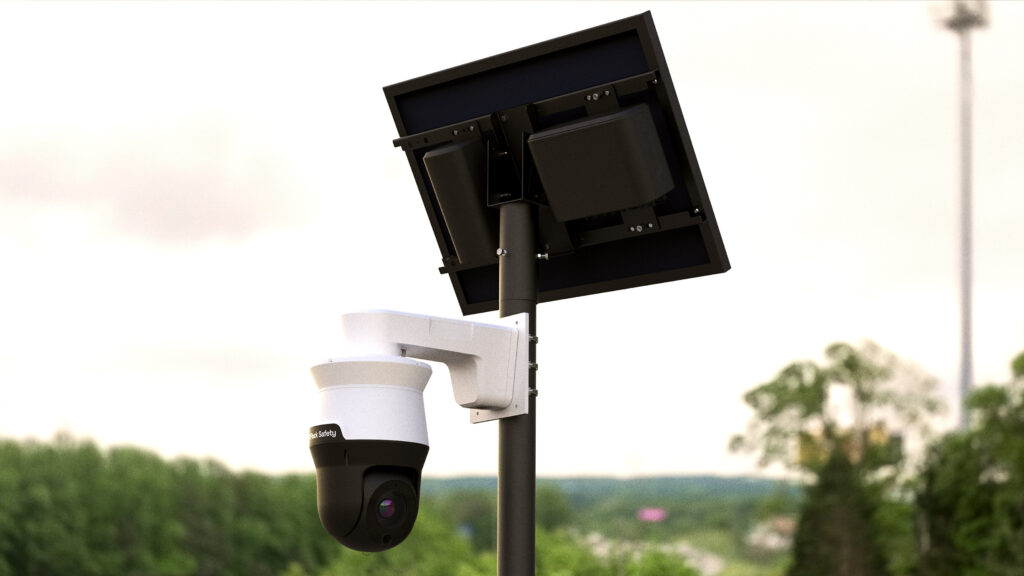
Automatic license plate reading systems from Flock Safety, one of the most popular in its industry, are installed in over 6,000 communities across the country. In recent months, residents in some of these communities have resorted to vandalism to express their attitude towards these devices.
What Exactly Do Flock Cameras Do?
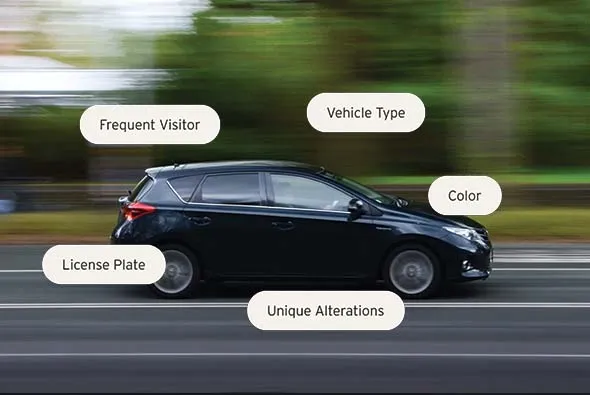
These systems do much more than just record license plates. They photograph vehicles in their entirety and then use the vehicle image data to link them to a specific plate. An unusual dent, a bumper sticker – the system can link all of this to your car, and therefore, to you. This data is accessible to law enforcement and can be widely disseminated.
Local Opposition Intensifies
Privacy activists believe this is a direct violation of the Fourth Amendment to the U.S. Constitution, and some courts agree with them. Since the cameras record every car and person passing by, regardless of suspicion of a crime, some courts recognize such photos as public information. Now, some citizens are taking matters into their own hands.
A Wave of Vandalism Across Various States
According to sources, residents in several states are damaging cameras. In La Mesa, California, at least two Flock cameras were recently vandalized: one was cut down and smashed on a median strip, and key components were removed from another. This happened weeks after the city council voted to renew the contract with Flock, despite loud public opposition.
Similar incidents have been recorded in Oregon, Illinois, Connecticut, and Virginia. In Oregon, at least six cameras were destroyed last year. In Virginia, a man was arrested and charged after allegedly destroying 13 cameras, later explaining his actions as concern for protecting Fourth Amendment rights.
The Scale of the System and Municipal Reactions
According to estimates by the DeFlock project, nearly 80,000 automatic license plate reading cameras are installed nationwide. Dozens of cities, including Santa Cruz, Los Altos Hills, Mountain View, Richmond, Staunton, Flagstaff, and Eugene, have suspended or terminated contracts with Flock or similar providers. This indicates a small but growing wave of resistance.
Supporters Point to Benefits in Fighting Crime
As observers note, finding support for vandals online is not difficult. However, ALPR systems also have their supporters. Undoubtedly, they have assisted in apprehending suspects in serious crimes. But this does not absolve them from the known and documented problems associated with their installation and use.
The question of balance between security and private life has always been complex, but technologies like Flock cameras make it even more acute. The public reaction, ranging from official municipal decisions to radical actions by individuals, shows that the social contract regarding surveillance in public places is not yet formed. The future of these systems will depend not only on their effectiveness in investigations but also on whether companies and authorities can find a way to address citizens’ legitimate concerns about mass data collection and its potential use.