 by
by Automakers in the US are choosing different paths for electric vehicle development
The automotive industry today is at a crossroads regarding the future of electric vehicles, and this is becoming increasingly evident. Nearly every manufacturer is forced to rethink its strategies in this area. Some companies are moving forward with hope, while others are slowing the pace and revising plans due to fluctuations in market demand and rising prices.
Recent events in the industry vividly demonstrate how fragmented the approaches have become. Some manufacturers have already abandoned or postponed the launch of electric models, as it became clear that the expected rapid market growth did not materialize. Others, on the contrary, have decided to strengthen their presence, perceiving the pause from competitors as an opportunity for a breakthrough.
Among the key trends, the following can be highlighted:
Could a cautious strategy win?
Toyota is one example of companies that continue to advance. By the end of the year, the launch of four electric models is planned in the US, including the bZ, bZ Woodland, C-HR, and the three-row Highlander EV.
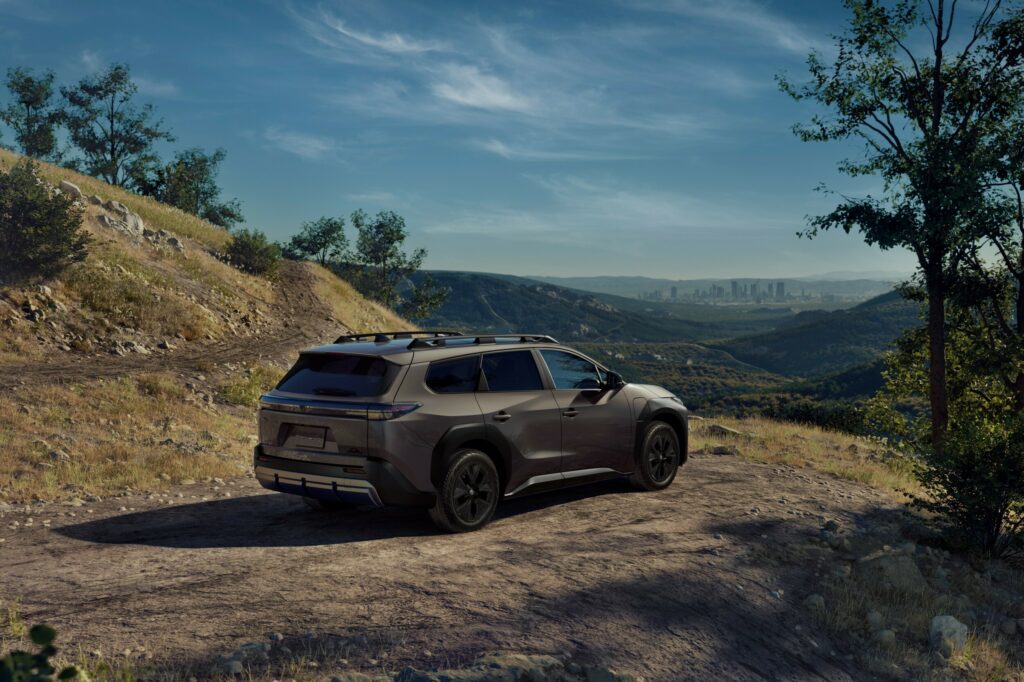
Analysts from iSeeCars and Edmunds positively assess Toyota’s approach. The company faced criticism for its slow transition to electric vehicles, but its balanced strategy now seems to be paying off. The balance between hybrids, internal combustion engine vehicles, and electric vehicles, which the company has maintained for years, is beginning to yield results, allowing it to remain flexible during market adjustments.
Toyota was mocked for moving slowly towards electric vehicles, while Honda and Volkswagen are now paying for their haste.
Abandonments and Uncertainty
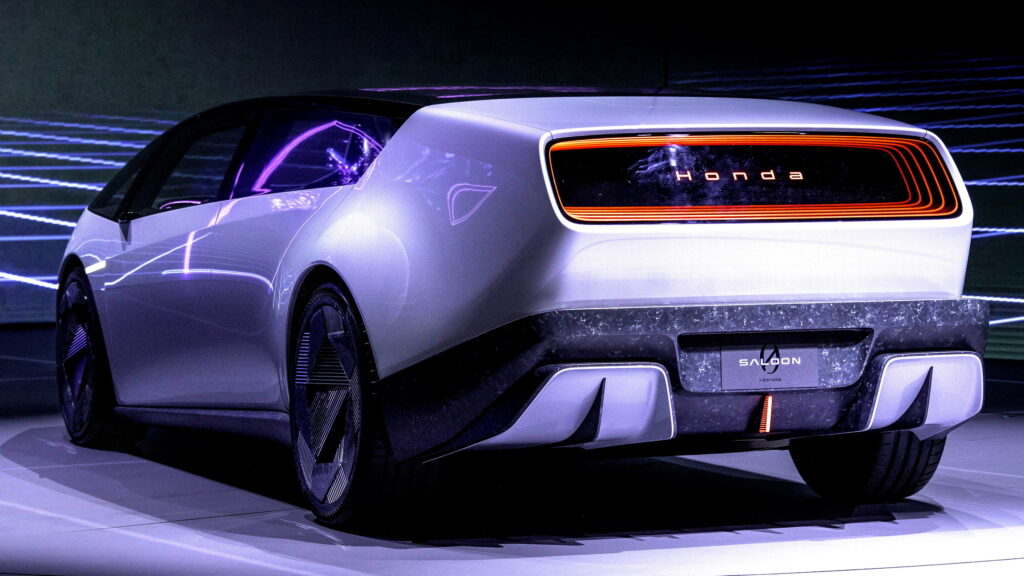
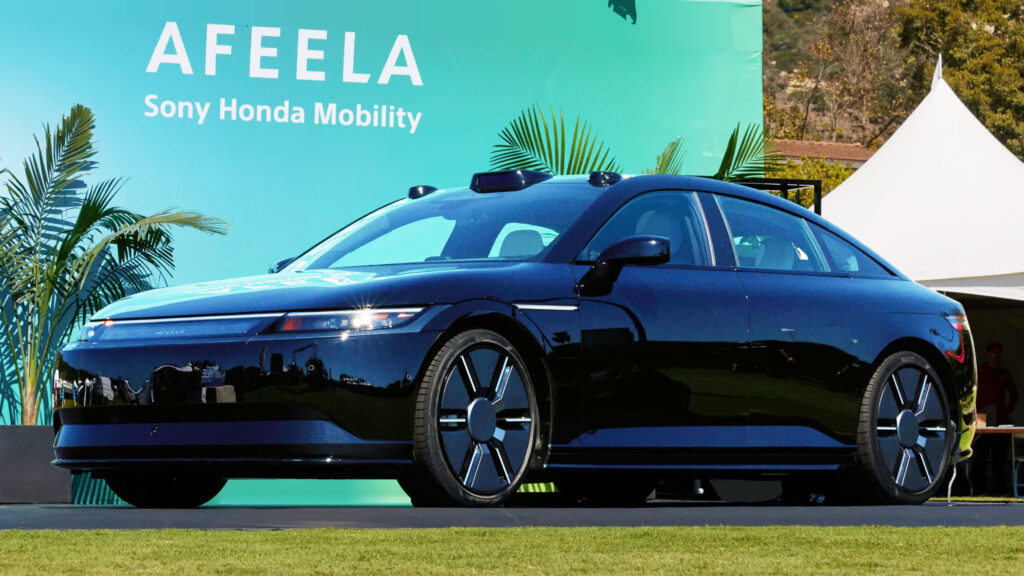
One of the biggest changes in electric vehicle plans has been Honda’s position. The Japanese company canceled a number of future electric models and is focusing on hybrids. This decision is accompanied by financial losses, but the company considers it more prudent in the short term, as demand for electric vehicles has not yet stabilized.
Stellantis is moving along the same path, canceling the release of the electric Ram pickup and postponing other electric initiatives in Europe. Ford and General Motors are not abandoning electric vehicles but are optimizing production to match demand, rather than overloading capacity too quickly. It’s not about retreating, but about choosing the right timing.
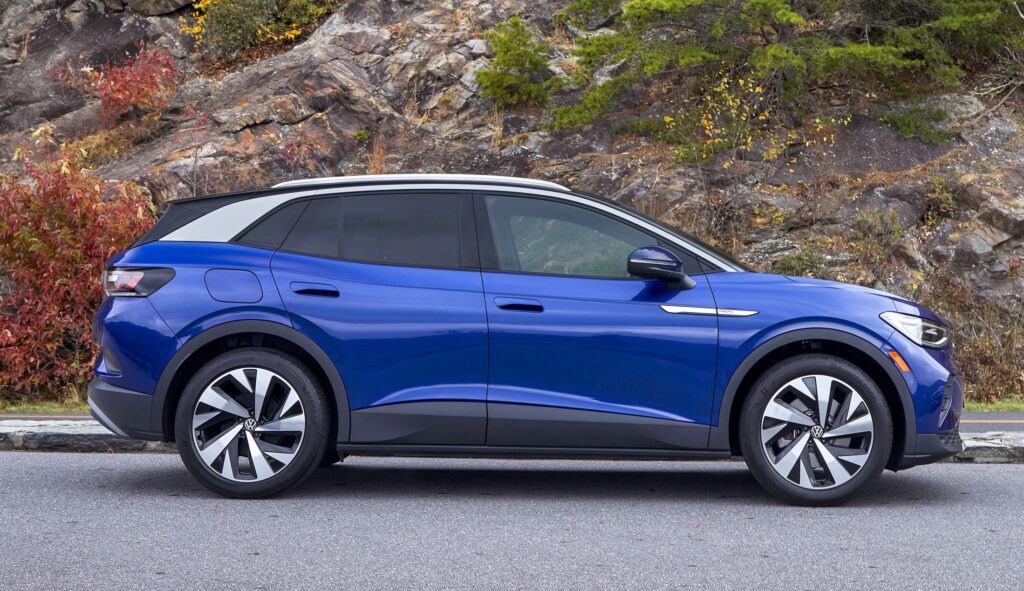
Meanwhile, Volkswagen has ceased production of the ID.4 electric crossover for the American market. Except for the ID Buzz minivan, Volkswagen has no plans to expand its electric lineup in the US for the next few years. On the other hand, Mercedes-Benz still plans to introduce new electric vehicles in the US, but its approach will continue to include internal combustion engine and hybrid models as well.
Financial Capabilities Determine Strategy
According to industry analysts, these different paths boil down to the financial condition of the companies. Some have sufficient reserves to continue investing, while others are choosing to save to avoid further losses.
This market divergence creates an interesting picture for consumers. On one hand, the slowdown of some players may mean a smaller selection of electric models in the coming years. On the other hand, it may contribute to greater stability and maturity of the technologies coming to market, as the companies that remain in the game are doing so with caution. All of this is happening against the backdrop of active development of charging station infrastructure and ongoing legislative initiatives that are shaping the final landscape of future transportation. The transition to electric vehicles seems to have transformed from a sprint into a marathon, where endurance and adaptability may prove more important than initial speed.