 by
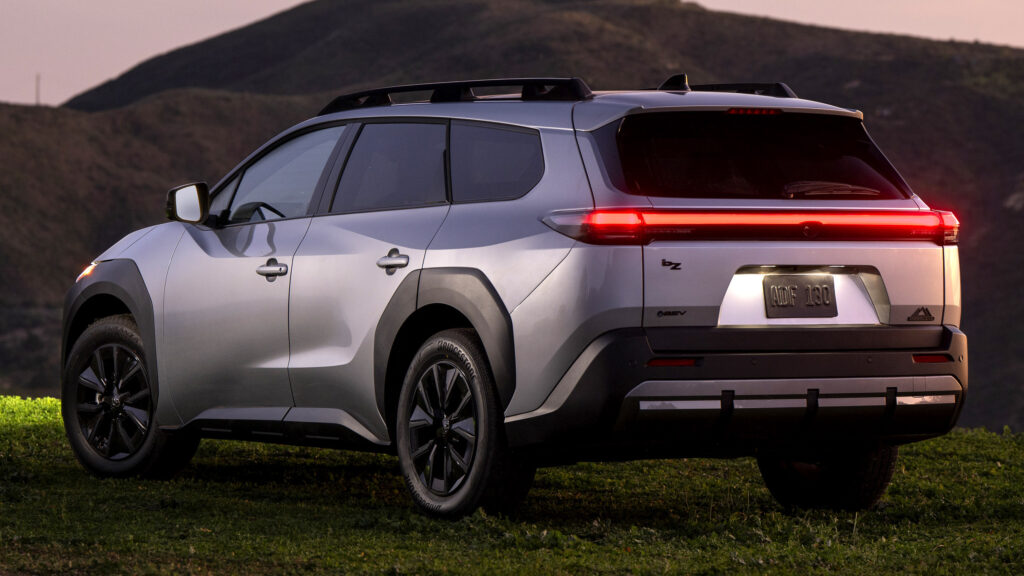
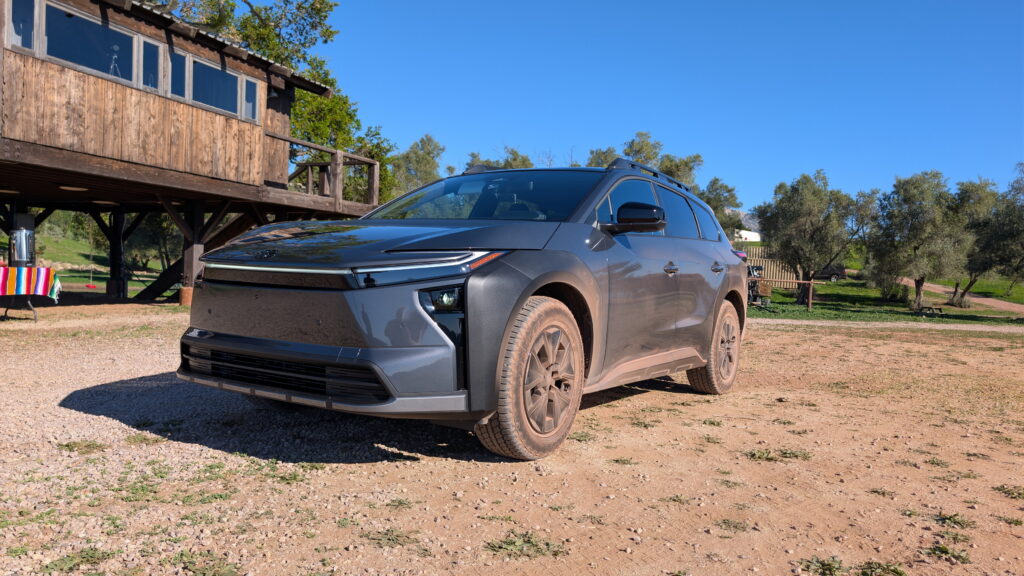
by Toyota is offering significant incentives to buyers of its new bZ Woodland electric crossover right from the start of sales. The total value of benefits can reach up to $6,500.
A Challenging Time for Electric Off-Roaders
The new Toyota bZ Woodland enters the market at a challenging time for electric SUVs. The model was likely developed with federal tax credits in mind but launched without them. Moreover, its virtually identical twin from Subaru, the Trailseeker, costs thousands of dollars less. Now Toyota is providing discounts of up to $6,500 on its brand-new electric model to make the offer more attractive.
According to data, these offers are quite straightforward and noticeable. Buyers can get $5,000 in customer cash, lessees – $6,500 in lease cash, and those with perfect credit history can choose 0% APR financing for 72 months plus $3,500 cash back. Not bad for a model that has practically just arrived at dealerships.
How Do the Incentives Work?
Here’s how it works. The $5,000 customer cash incentive functions as a discount and reduces the price or financing amount. The $6,500 lease cash offer lowers the capitalized cost of the lease, meaning lower monthly payments. The offer with $3,500 cash back and 0% APR is exactly what it sounds like: a price discount and no interest on payments for six years. All offers are valid until March 2nd.
Pressure from Subaru
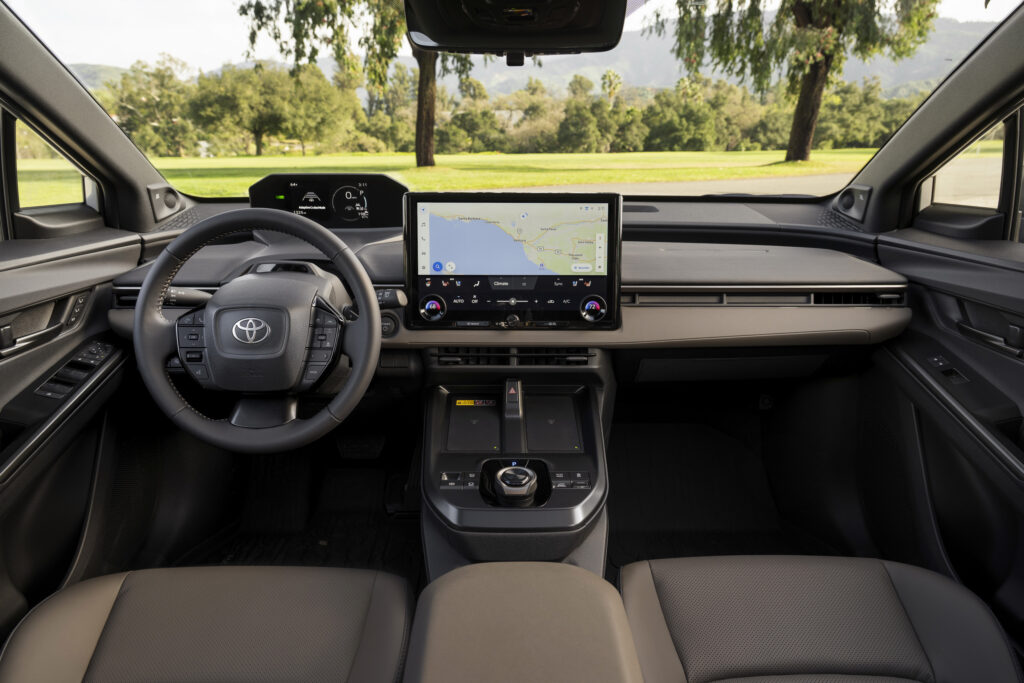
With a starting price from $46,750 (including a $1,450 destination fee) and rising to $48,850 for the Premium version, Toyota has clearly felt some pressure to keep this station wagon-like electric vehicle competitive in a cooling market. These offers should help, considering that the bZ Woodland looks incredibly similar to the Subaru Trailseeker.
For its part, the Trailseeker starts at $39,995 before the destination fee, and that’s without any discounts. So even with a $5,000 discount, Toyota still remains in a higher price range. This means the biggest advantage of the Woodland may turn out to be brand loyalty, the dealer network, and whether buyers prefer Toyota’s design and trim.
A Necessary Step for Sales
Again, Toyota likely developed this car when it thought the $7,500 federal EV subsidies would still exist at launch. Given this, such a decision seems like an almost necessary step to keep the car moving off dealer lots.

The situation with the Toyota bZ Woodland vividly illustrates the challenges manufacturers face when launching new electric vehicles in changed conditions. Losing the reliance on government subsidies forces them to seek other ways to attract customers, such as aggressive financing programs and direct discounts. It also highlights the importance of flexibility and quick response to market conditions, especially when a competitor’s model built on the same platform has a lower starting price. The success of the Woodland will now depend not only on technical specifications but also on how strongly buyers value the Toyota brand itself and its service network compared to the more advantageous price offer from Subaru.