

 by
by Purchasing a new car in the US is gradually turning into a luxury accessible to fewer and fewer people. Although car dealerships are not yet empty, the profile of typical buyers has changed significantly, and the middle class no longer forms the main part of the demand.
Accessibility for the Middle Class is Disappearing
If your income does not exceed significant six-figure sums, your chances of driving out of a dealership in a new car are decreasing. Fresh data shows a significant reduction in the share of new car buyers with an income of less than $100,000, while the share of high-income buyers in the market continues to grow since the beginning of the COVID-19 pandemic.
For comparison, the median household income in the US in 2024 was $83,730. This means that today’s typical new car buyer is significantly wealthier than the average American.
A New Car – A Game for the Affluent
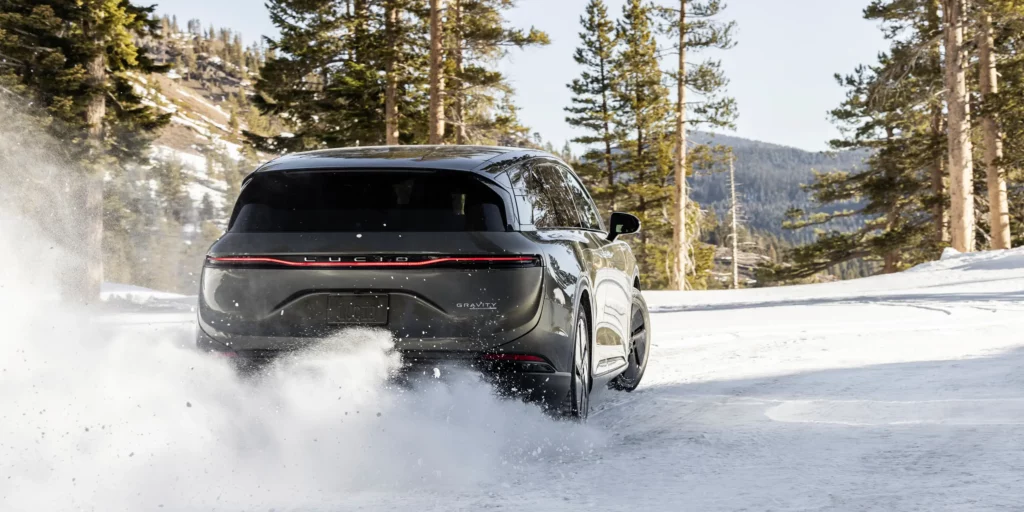
According to Cox Automotive, the share of new car buyers with an income of less than $100,000 fell from 50% in 2020 to just 37% in 2026. This change reflects a sharp increase in the cost of new cars. The average transaction prices in 2025 reached about $51,000, and these are not the only numbers that are rising. Buyers also face a sharp increase in insurance premiums and the general impact of inflation.
At the same time, the share of new car buyers with an income over $200,000 has grown from 18% to 29% over the past five years, forming what economists call a “K-shaped” economy.
In a K-shaped recovery, economic trends split into two directions: those at the top continue to see income and wealth growth, while those at the bottom face stagnation or even decline.
New Car Sales Have Not Yet Reached Pre-Pandemic Levels
Annual new car sales in the US peaked in the years preceding COVID-19. In 2016, they amounted to 17.5 million and remained above 17 million until 2019. Then a decline followed: 14.7 million in 2020, 15.1 million in 2021, and only 13.9 million in 2022. Since then, sales have recovered, reaching 16.3 million by 2025, but they still have not returned to the level of a decade ago.
And although demand has returned, affordability has not. Industry analysts point out that the main barrier now is precisely the price, not interest rates. The situation is only worsened by the disappearance of affordable budget models. Automakers have gradually removed small sedans and compact cars from their lineups, leaving fewer options for budget-conscious buyers.
Out of Reach

A study by the consulting firm Plante Moran showed that one third of Americans simply cannot afford a new car. For households with an income of $65,000 or less, only about 110 car models fall into the category that the firm classifies as “affordable.” For buyers with an income up to $105,000, this number more than doubles, and over 250 models are considered affordable.
At the same time, financial pressure is growing. A record number of buyers are now taking out auto loans with a monthly payment of over $1,000.
“Right now we are relying on extremely wealthy people to drive sales. This is a structural problem in terms of affordability,” said Mark Barrott of Plante Moran. He added that automakers may start to feel pressure “in the next two to three years” if more and more buyers are priced out of the market.
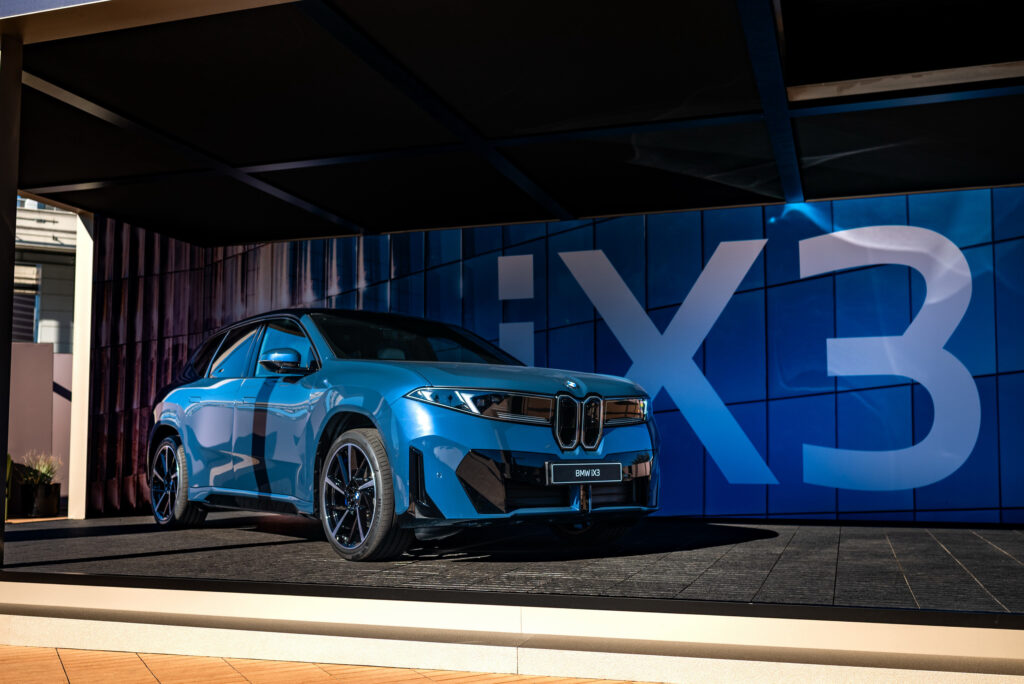
“Today we have a different car buyer than a few years ago. The key takeaway is that we see the average buyer is much wealthier,” added Cox Automotive senior economist Charlie Chesbrough.
Automakers have also noticed this change. Ford CEO Jim Farley recently acknowledged that while large, high-margin cars are good for short-term profit, relying too heavily on them can backfire. The risk, he warned, is a smaller market and long-term demand that simply cannot keep up with the pace.
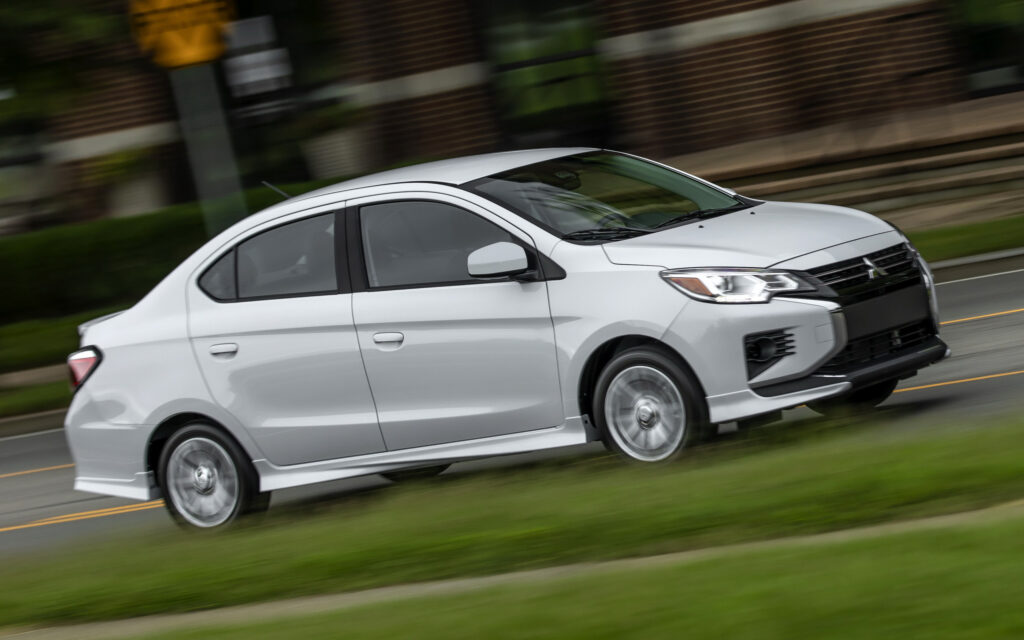
These trends point to a deeper transformation of the US car market, which is increasingly splitting into two unequal segments. On one side is the premium segment, growing due to high incomes; on the other is a shrinking offering for the mass consumer. Such dynamics could have long-term consequences not only for automakers, who risk losing an entire layer of customers, but also for social mobility, as the car has traditionally been one of the symbols of the American dream and accessibility. The growth of the used car market and the extension of vehicle lifespans may become a logical consequence of this situation, shaping a new reality for millions of families.