 by
by New Law in Hilton Head: Trash in a Car Can Cost $500 or Jail Time
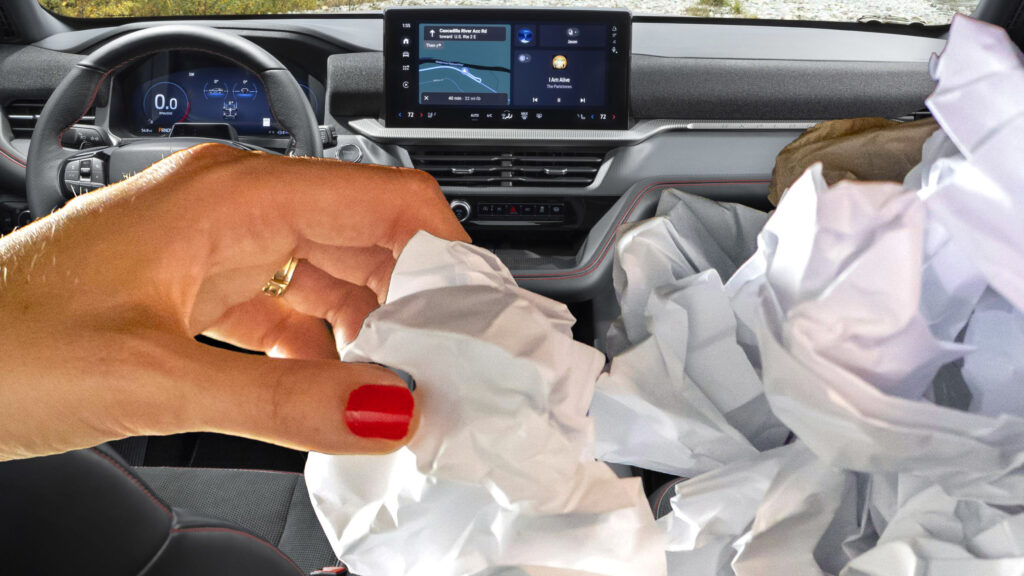
Residents of Hilton Head Island in South Carolina now risk a fine of up to $500 or even jail time for trash left in their car. Local authorities introduced this unusual rule as part of the fight against the growing rat population in the town, and it has already taken effect. This measure, as expected, has sparked controversy among residents.
Key provisions of the new local ordinance:
What Exactly Does the Law Prohibit?
According to the new municipal code, “it is prohibited to place, leave, dump, or allow the accumulation of any garbage, refuse, or waste in any building, vehicle, and adjacent areas of the city in such a manner that it could serve as food or shelter for rats.” Any violation of this rule “constitutes a nuisance.”
The rule officially took effect on February 1. Anyone found violating it could face a fine of up to $500, and in some cases – imprisonment for up to 30 days, if authorities determine that the trash has accumulated in a way that could attract or provide shelter for rodents.

Vague Wording and Escalating Fines
It is worth noting how vague the wording of the new ordinance is. It does not define what exactly constitutes an accumulation of trash. Could it be one discarded energy drink can, or does the car have to be literally overflowing with waste? This means that much may depend on the discretion of law enforcement officers.
The rules, however, describe how penalties escalate. Officials may start with a written warning. After that, the ordinance provides for a fine of up to $100 for the first violation, $200 for the second violation within any 12-month period, and up to $500 for each subsequent violation within the same 12-month period. There is another nuance: each day a violation remains uncorrected may be considered a “separate offense.”
Consequences for Businesses and the Future of the Law
Interestingly, the rule applies not only to private cars. Anyone who owns, operates, or acts as an agent for a local establishment may face additional consequences if the ordinance is violated. In such cases, the city has the right to suspend or revoke the business license associated with the violating activity.
The question of how strictly officials plan to enforce this rule remains open. But for local residents, it might be wise to keep their cars a bit cleaner than usual, just in case a forgotten soda can becomes more than just an annoying mess.
Similar measures aimed at combating litter and pests are increasingly appearing in US cities, especially in tourist areas where cleanliness is critical to the economy. Hilton Head’s experience will show whether such strict administrative and criminal penalties are an effective means of changing residents’ behavior, or whether they only cause public outrage and legal disputes due to vague wording. The success of the initiative will largely depend on how law enforcement interprets the concept of “trash accumulation” in practice and whether they act proportionally to the real threat to the city’s sanitary condition.