 by
by In Colorado, police arrested a man who stopped to help at an accident scene, accusing him of drunk driving. Later tests showed he was completely sober. The city of Fort Collins agreed to pay $500,000 to settle the lawsuit.
Incident Details
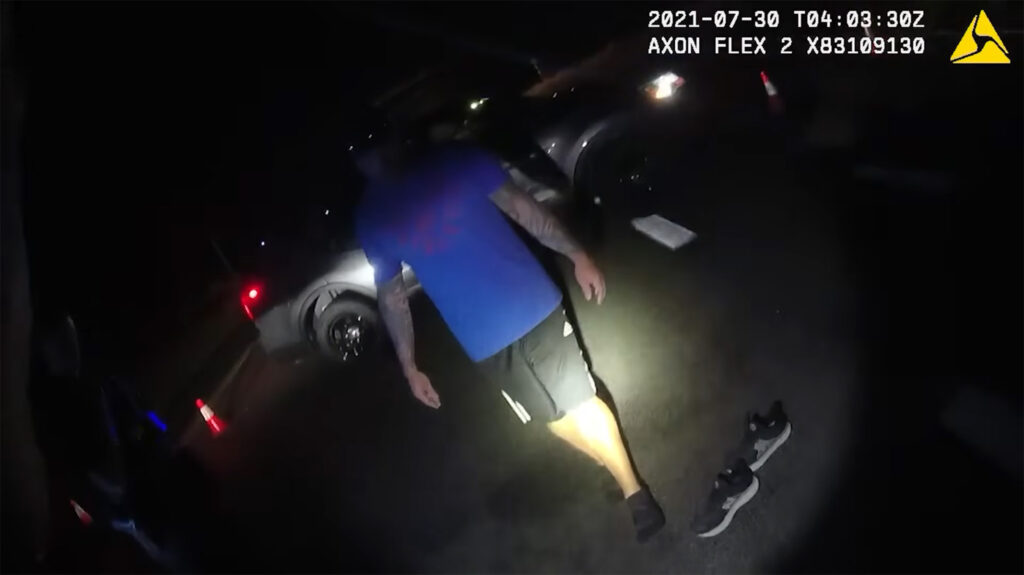
According to CBS Colorado, Jesse Cunningham, a Nebraska resident, pulled over in 2022 to help after witnessing a serious accident involving a motorcycle. Instead of returning home after attempting to help, he ended up in the back of a patrol car, accused of driving under the influence.
Legal Process and Outcome
The lawsuit, which was settled, claimed that Cunningham repeatedly asked officers to administer a breathalyzer test at the scene, believing it would immediately prove he had not been drinking. Instead, he was arrested and forced to undergo a blood test. Results later showed no alcohol or impairing drugs. Prosecutors dropped the DUI case about three months later. Of course, it took years of litigation before the city agreed to the settlement.
Problem of False Arrests
This is not the first time a sober driver has faced DUI charges despite later chemical tests proving otherwise. In several previous incidents, including another lawsuit in Colorado, drivers showed 0.000% on breathalyzers or later received negative results. Despite this, they were still arrested and prosecuted before the cases eventually fell apart. Tennessee recently began issuing breath testing devices due to the huge number of arrests of sober drivers for DUI.
Importance of On-Site Testing
This is what makes Cunningham’s case particularly notable. If officers had conducted a preliminary breath test at the scene, they would have at least known that alcohol was not the cause. While a zero reading does not rule out impairment due to drugs, it can significantly narrow the scope of the investigation. Depending on the circumstances, this could prevent an unnecessary arrest. It could also help taxpayers avoid huge payouts in such cases.
This case once again raises questions about the need for more thorough adherence to procedures during stops and arrests on suspicion of drunk driving. Using simple on-site tests could not only save an innocent person from stress and legal costs but also save significant local budget funds that are later spent on settling lawsuits. Cunningham’s story is a reminder that hasty conclusions by law enforcement can have serious financial and reputational consequences for cities, as well as undermine public trust in the justice system. Implementing mandatory preliminary on-site testing could be a simple and effective solution to prevent similar incidents in the future.