 by
by First autonomous ride-hailing in the British capital
London’s black cabs now have a serious high-tech competitor. Uber, together with British company Wayve, has launched the UK’s first autonomous ride-hailing service. This service brings self-driving cars to London’s busy streets.
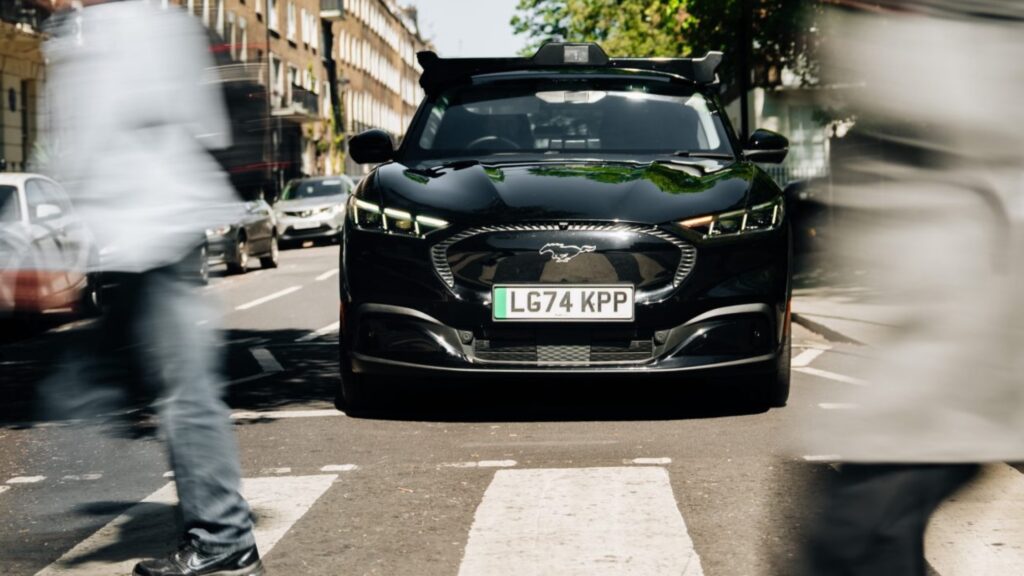
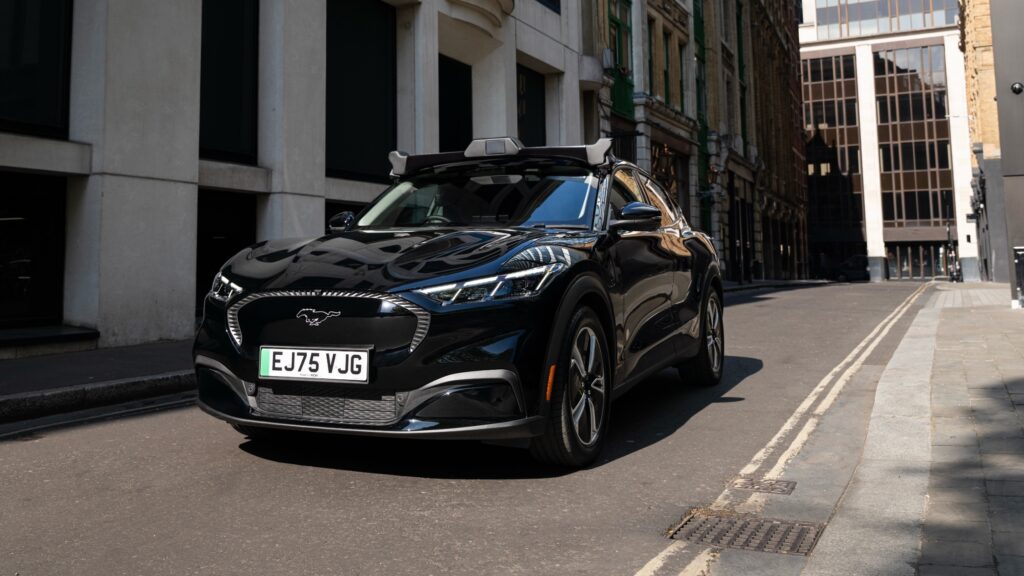
From today, passengers ordering UberX, Uber Electric, or Uber Comfort may see a Ford Mustang Mach-E equipped with the Wayve system arrive instead of a regular car. Such a ride will not cost more. And if a customer does not want to ride in a car without a driver, they can decline the autonomous option before the car arrives.
Completely driverless is not happening yet
However, calling these cars fully driverless is premature. At the initial stage, each car will have a trained driver licensed by Transport for London. This person will monitor what is happening on the road and control the system’s operation. Neither company has yet announced when exactly the human safety fallback will be removed.
The car doors open and the trip is started through the Uber app. Inside, passengers see interactive screens supporting 64 languages, showing the route the car plans to take. Unlike many autonomous services in other countries that operate only in selected specially prepared areas, Wayve’s cars can drive almost anywhere in London — except airport zones.
Learning on roads, not from maps
This freedom of movement was made possible by the Wayve AV2.0 system. It is an AI driver trained on real-world experience rather than traditional high-definition maps or huge sets of hand-written rules. Wayve has been testing its technology on London roads since 2018. During this time, the system has encountered virtually all types of road situations that can arise in a large city.
140,000 willing, but only 15 cars
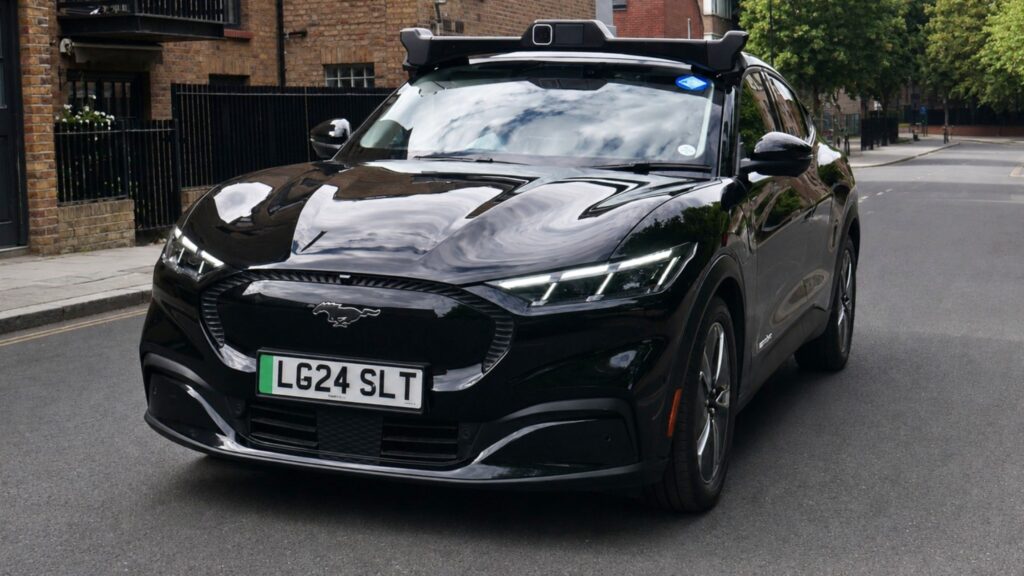
More than 140,000 people have already expressed interest in autonomous rides through the Ride Preferences settings in Uber. However, the chances of quickly getting such a car are still small. Only 15 Wayve cars are currently operating in London, while the total number of Uber cars in the city is about 100,000.
London is Wayve’s home city, but far from the final stop. The companies plan to expand the partnership to 12 international markets. In particular, AI-driven Nissan Leafs are expected to appear in Tokyo this year. Uber, for its part, expects that by the end of 2026, autonomous rides through its platform will be available in 15 cities worldwide.
First steps toward mass autopilot
The launch of just 15 cars is more symbolic, but it demonstrates an important trend. London is becoming a testing ground for autonomous technology in an extremely complex urban environment. It is especially telling that the rollout is starting not with a few districts but practically with the entire city at once. This could be a signal to other European markets: AI drivers are already capable of operating in dense traffic, not just on simple and predictable routes.
For now, a human behind the wheel remains a necessary safety element, but the infrastructure, passenger habits, and the very model of mobility are changing much faster than could have been expected just a few years ago. If the pilot project in London lives up to expectations, such cars could become a common sight in other major European cities too.