 by
by Trump raises tariffs on European cars to 25%
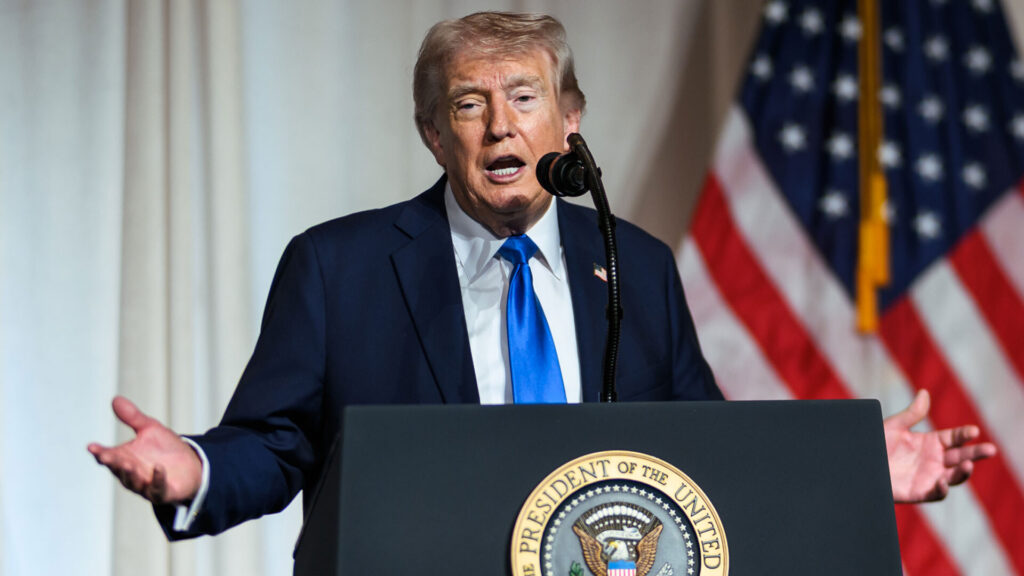
President Trump announced his intention to impose a 25% tariff on cars imported from the European Union as early as next week. He noted that this decision is a response to the EU “not adhering to our fully agreed-upon trade deal.”
Trump did not explain what exactly he meant, but called on European automakers to build cars in the United States to avoid the tariffs. Many are already doing so: BMW, Mercedes, Volvo, and Volkswagen have large factories in America. Additionally, the Volkswagen Group is building a new plant in Blythewood, South Carolina, to produce the Scout Terra pickup truck and the Traveler SUV.
Will the threat be carried out?
It is unclear whether the president will carry out his threat, but Reuters reported that the tariff would increase by 10% from the current rate of 15%. The outlet also quoted Trump, who stated that this move would bring billions of dollars to the United States and force European automakers to “move their production to factories significantly faster.”
This claim is somewhat exaggerated, as the increased costs will be passed on to consumers, and building an entirely new factory takes years. Nevertheless, companies with existing capacity can react more quickly to changes. We have already seen this in practice: Volvo is adding the XC60 model to its plant in Ridgeville, South Carolina, later this year, and Mercedes will begin producing the GLC at its plant in Tuscaloosa.
Political context and Europe’s reaction
This move appears aimed at punishing Europe for a series of “violations,” as Trump has criticized the European Union and its members for lacking support for the war in Iran. The bloc has also been slow to implement an unpopular trade agreement with the United States, and Reuters reported that its completion is not expected before June.
The threat has angered European officials, who called the move “unacceptable” and suggested it demonstrates the “unreliability” of the United States. Others have gone further, stating that it is time for the EU to “show character and fight back against Trump” with retaliatory tariffs, as well as taxes on American technology giants.
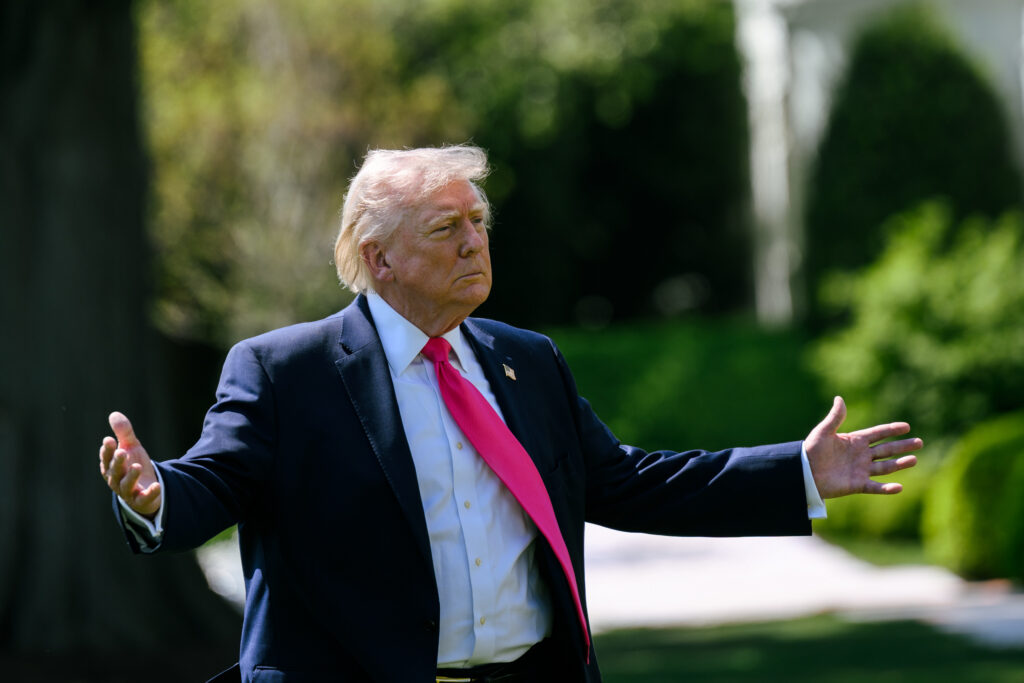
Photo: The White House
The imposition of a 25% tariff on European cars is another phase of the trade war waged by the Trump administration. Although non-compliance with the trade agreement is cited as the formal reason, it is evident that the decision has a deeper political basis related to disagreements over Iran and general pressure on the EU. For European automakers that already have plants in the US, this could serve as an incentive to expand production, but for consumers, it will result in higher prices. Europe’s response, in the form of mirror tariffs or taxes on technology companies, could lead to further escalation, negatively impacting global trade and economic stability.