
 by
by The Global Problem of Car Theft
Car theft has reached pandemic proportions worldwide. In 2024 alone, over 850,000 vehicles were stolen, causing significant damage to owners and insurers. Pickup trucks remain among the most desirable targets for thieves, with Ford F-Series models being some of the most popular.
Ford’s response to this threat is a technology called Start Inhibit. It allows owners to remotely block engine start even if the genuine key is in the car. This technology is undoubtedly powerful, but it also brings significant responsibility for data handling.
How the System Works
Start Inhibit operates via cellular communication integrated into the vehicle through the FordPass app. Registering for FordPass itself requires the owner’s consent to collect data from the connected vehicle. This data includes GPS location and ignition system status.
“At Ford, customers have a choice about whether they want to share connected vehicle data with us,” the company stated.
Through vehicle settings, owners can completely disable connectivity or precisely configure what data to share, including vehicle data, driving habits, and location information.
The Price of Connectivity

Here we encounter the first important caveat. Disabling connectivity completely deactivates the Start Inhibit function. In other words, if you are not willing to grant Ford access to your data, the system cannot help you locate a stolen vehicle.
Ford states that connected vehicle data is used to provide services requested by customers, including navigation, vehicle status alerts, connected radio, and weather forecasts. The company also claims this data helps improve safety, quality, and reliability, particularly during recall investigations and performance monitoring.
The US National Highway Traffic Safety Administration noted in 2023 that connected vehicle data can be “an important source of information for safety oversight and performance monitoring.”
Law Enforcement Access to Data

One of the most common fears associated with remote blocking features is the possibility of police accessing a vehicle’s location or systems without the owner’s knowledge. Ford clearly states that Start Inhibit is not directly connected to law enforcement systems.
“To be clear, the system is not directly linked to authorities. If a vehicle registered in the Ford security package is stolen and reported, the Ford call center will verify the case and then cooperate with law enforcement to recover the vehicle, including activating Start Inhibit upon police request. To protect all parties, we require a verified police report and will report the location of the stolen vehicle directly to law enforcement only upon their request,” Ford added.
This distinction is important. By registering, owners are not granting police direct access. Instead, they are consenting to data collection and storage by Ford. Subsequently, the company states it will provide information to authorities only after obtaining the owner’s consent or a valid court order, such as a warrant or subpoena.
“Privacy is a priority for Ford. We fully comply with all consumer privacy laws and require a valid court order or the vehicle owner’s consent before providing vehicle data to law enforcement,” a company representative stated.
The Compromise of Data Existence
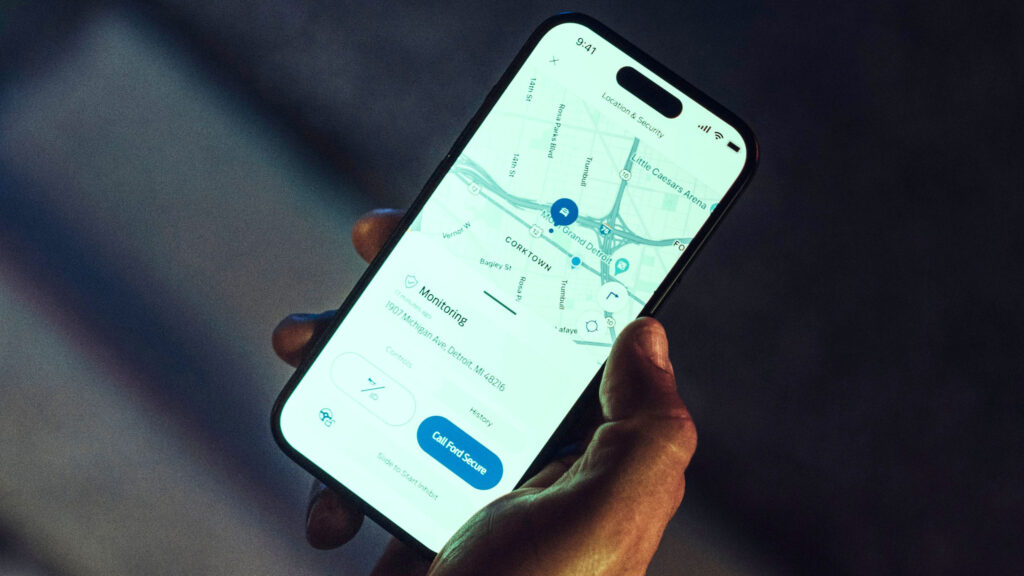
Even with guarantees, the reality is that Start Inhibit explicitly relies on centralized data constantly collected from the vehicle. This creates a compromise that no automaker currently plans to eliminate.
Any system capable of locating and disabling a vehicle also becomes a valuable target for hacking. Hackers don’t need the owner’s consent or Ford’s cooperation; they only need a vulnerability. Ford has not claimed that Start Inhibit increases the risk of hacking, and there is no evidence that it does.
Nevertheless, cybersecurity experts have long warned that expanding connected features inevitably expands attack surfaces. The more a vehicle can do remotely, the more critical data security becomes. Ford states that customers can request access to their personal data and demand its deletion, regardless of specific privacy laws in their state. But as long as connectivity remains active, data inevitably exists somewhere.
While it’s easy to dream of a time when personal data is legally under the control of the person it belongs to, that is not our current situation. GPS data could be end-to-end encrypted and viewable only by the owner until they disclose it, but that is not what we have now.
Summary and Outlook

Start Inhibit provides real, tangible benefits at a time when car thefts are becoming more sophisticated and organized. Ford has clearly outlined boundaries regarding consent, verification, and legal process, and these boundaries are more defined than many critics assume.
Nevertheless, the fundamental reality remains unchanged: connected vehicles trade mechanical simplicity for digital capabilities. This compromise brings convenience, safety, and protection, but also gives rise to new privacy and cybersecurity challenges that owners cannot ignore.
For now, Ford gives customers a choice. The question is whether this balance will be maintained as vehicles become even more connected.

The implementation of technologies like Start Inhibit is part of a broader trend transforming the automobile from a simple means of transport into a complex node of communication and data. This changes not only the driver’s interaction with the car but also the legal and ethical frameworks of ownership. The concept of privacy in the era of constant connectivity needs rethinking, as movement data becomes both a commodity and a tool simultaneously. Society and regulators must find a new balance between the undeniable benefits of systems like theft prevention and the fundamental right to personal space and control over one’s own information. The future will show whether automakers, including Ford, can maintain customer trust by transparently managing these powerful yet potentially vulnerable digital mechanisms.