 by
by Washington’s Extensive Camera System Could Cease to Exist
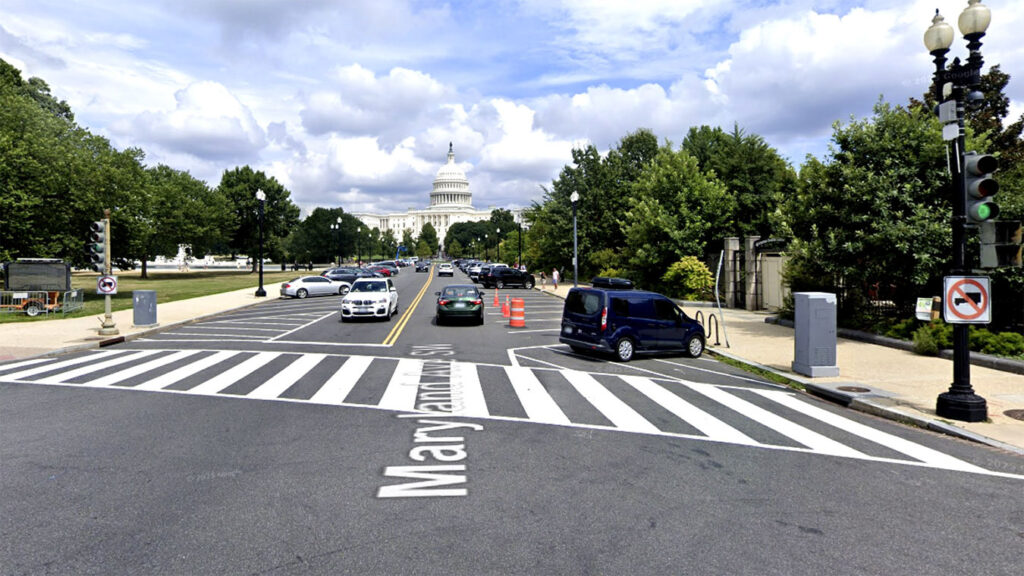
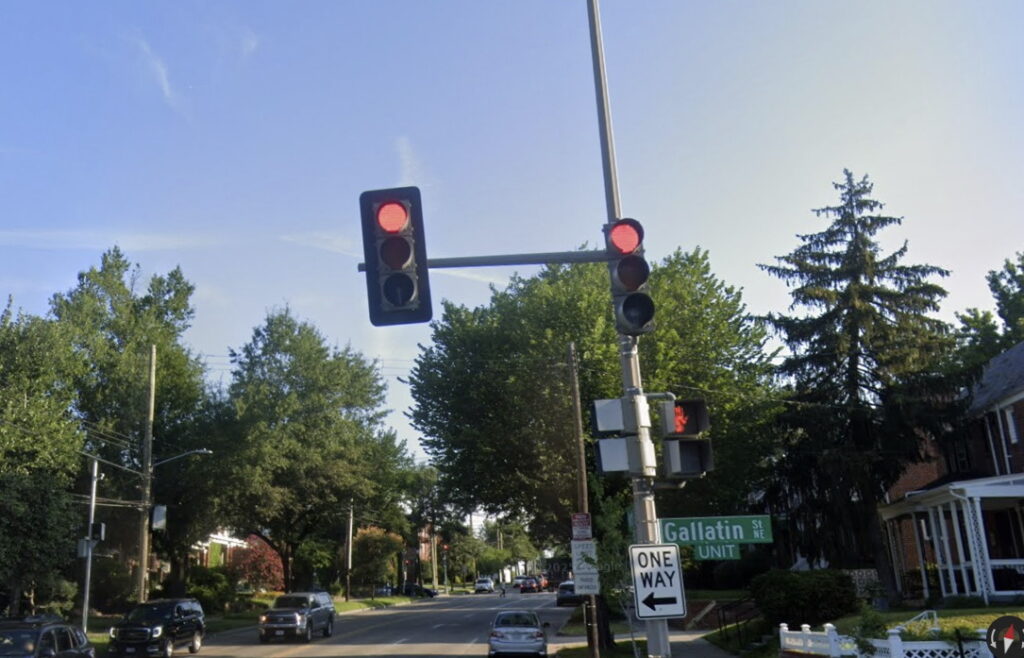
Residents of Washington, D.C., may soon forget about traffic enforcement cameras. The local Department of Transportation has proposed the complete elimination of the automated control system that monitors speed, red-light running, and stops at stop signs. If the initiative is approved, it could take effect before the end of this year.
Currently, the U.S. capital operates a whole network of 546 active cameras. The system, whose first cameras appeared back in 1999, issues thousands of fines annually, ranging from $100 to $500 for each violation.
The Financial Consequences of the Decision Will Be Colossal
The elimination of the cameras threatens the stability of the city’s budget. In recent years, revenue from automated control has been growing rapidly: in the 2023 fiscal year, it amounted to $139.5 million; in 2024, $213.3 million; and in 2025, it already reached $267.3 million.
Automated traffic enforcement is used to generate revenue, not to enhance safety. Cities like Washington, which rely on this revenue to balance their budgets, are proof that the policy is not about the safety of residents and visitors; it’s about fleecing people without representation or due process.
Mayor Muriel Bowser strongly disagrees with the proposal, emphasizing that cameras are a vital tool for saving lives. She warns that abandoning them will create a billion-dollar hole in the district’s finances, leading to cuts in routine city services.
Without Cameras, the Burden on Police Will Increase
Beyond financial aspects, there are also operational concerns. Council members, such as Christina Henderson, point out that without cameras, police patrols will remain the primary control tool. This could lead to further strain on the already limited resources of law enforcement.
The Department of Transportation’s proposal aims to include a ban on automated enforcement in the upcoming surface transportation bill, which Congress may pass this year. This decision reveals a deeper controversy between safety, finances, and citizen freedom. Regardless of the outcome, the debate highlights how deeply technology is woven into the fabric of urban governance and budgeting, creating a dependency that is hard to break. The future of road safety in Washington seems to depend not only on political will but also on finding alternative funding sources for critical city services.