 by
by VinFast’s Plans for the US Factory
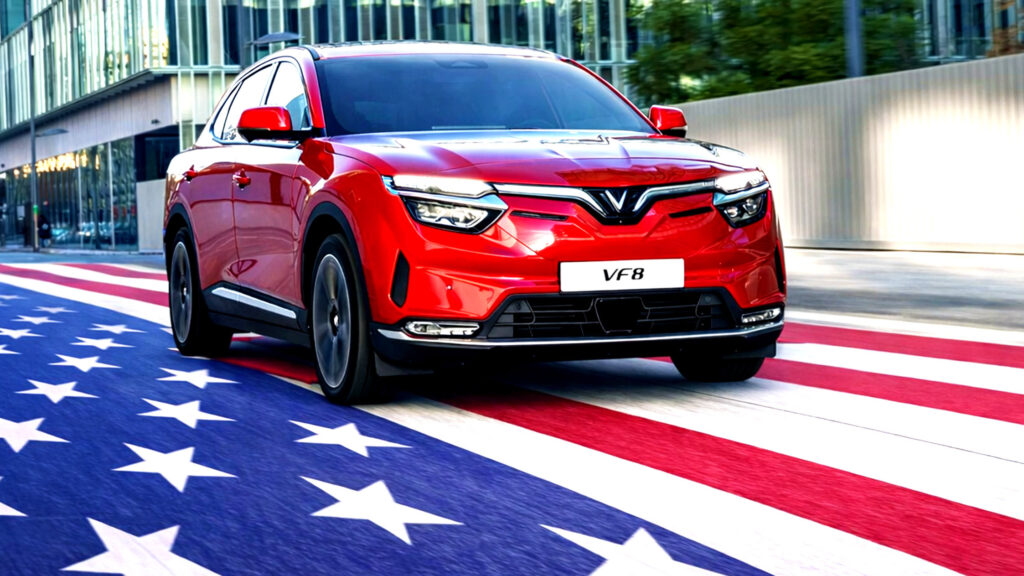
Despite certain difficulties in the US electric vehicle market, the Vietnamese automaker VinFast is not abandoning its ambitious plans. Later this year, the company plans to resume construction of its manufacturing site in North Carolina, which was suspended over a year and a half ago. The factory is expected to begin producing electric SUVs before 2028.
Initially, in March 2022, VinFast announced that US production could start as early as mid-2024. However, these deadlines were repeatedly postponed: first to 2025, and then construction was frozen altogether. This led to speculation about a possible complete exit of the company from the American market, especially against the backdrop of modest results — last year, fewer than 1,500 cars of this brand were registered in the US.
Financial Results and Global Expansion
However, the latest financial report suggests otherwise. VinFast is not only reviving the project in North Carolina but is also actively expanding into other markets, planning to open factories in India and Indonesia. The company’s global sales show significant growth.
In the fourth quarter of 2025, VinFast sold 86,557 cars, which is 127% more than the previous quarter and 63% more compared to the same period last year.
For the past year, the company delivered 196,919 vehicles to customers, more than double the figure for 2024.
Challenges on the Path to Success
The sales leap allowed revenue to increase significantly. In the fourth quarter, it grew by 138.9% compared to the year before, amounting to 39.4 trillion dong (approximately $1.5 billion). However, the company continues to record losses: the net loss in the same quarter was 35.2 trillion dong (about $1.3 billion), which is 15% higher than the comparable period.
VinFast states that it continues to evaluate opportunities to enter new markets in Europe, Asia, the Middle East, and Africa, aligning its expansion strategy with the global development of its parent structure, Vingroup.
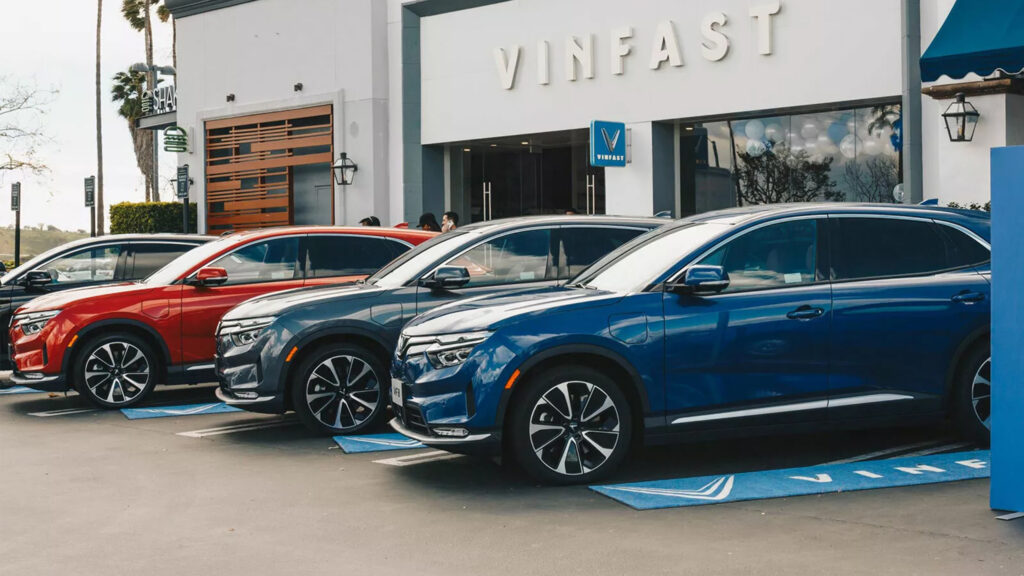
To achieve success in the US, the company also needs to improve its products. The VF 8 and VF 9 models available on the local market have received a number of critical reviews. At the end of last year, VF 8 owners even filed a class-action lawsuit, claiming that the DC fast-charging speed does not reach the advertised 6.6 kW, being limited to 2 kW, which means a full battery charge can take over a day.
The decision to continue building the factory in North Carolina, despite a difficult start in the US, demonstrates VinFast’s long-term belief in its potential in this market. The success of this effort will depend not only on the timely launch of production but also on the company’s ability to quickly respond to criticism and improve its cars to meet the expectations of demanding American consumers. Parallel expansion into developing markets could provide the company with the necessary financial stability to overcome initial difficulties in North America.