 by
by Virginia Implements a New Measure to Combat Excessive Speed
The issue of speeding remains relevant across the entire United States, and Virginia is taking a step that no other state has dared to take. Starting July 1, drivers caught driving at speeds over 100 miles per hour will face a new type of punishment. This will not necessarily be a prison term, although that possibility exists. They will either lose their driver’s license or receive an electronic “supervisor” in their car that will prevent them from exceeding the speed limit.
The new law creates the so-called “Intelligent Speed Assistance” program. It gives judges the authority to order the installation of speed-limiting technology for the most egregious offenders instead of completely revoking their driver’s licenses. Proponents of the initiative believe it could save lives. Critics will almost certainly claim it is another step towards cars that monitor every move a driver makes.
The legislative initiative, signed by former Governor Glenn Youngkin, targets drivers caught driving at speeds over 100 mph (160 km/h) or committing reckless driving.
Goal – To Reduce Accident Rates
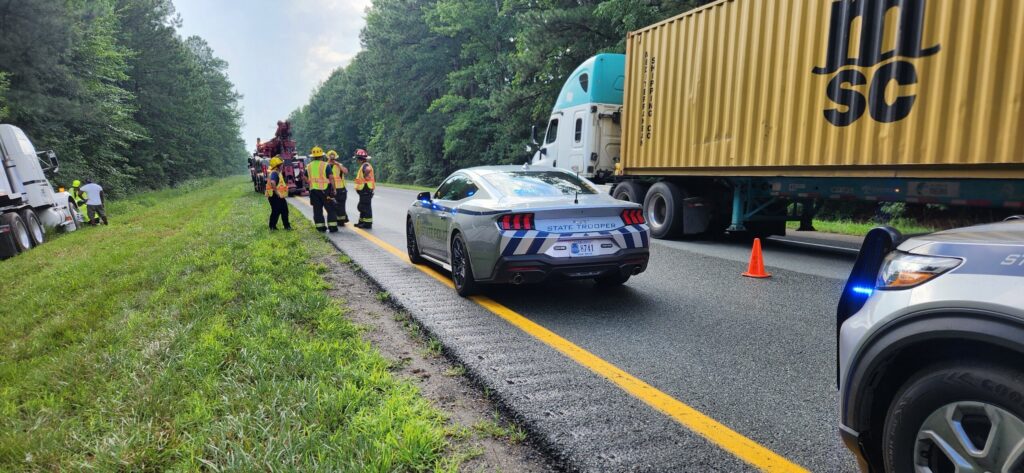
Virginia State Police officials state the goal is simple: to make people drive slower before they harm themselves or others. In 2024 alone, the state recorded over 25,000 speed-related accidents and over 400 fatalities. Officials believe these numbers justify trialing new tools, rather than relying solely on fines or license revocation.
The Limiter Follows the Driver, Not the Car
The situation is more complicated. Once a driver is enrolled in the program, they cannot simply take another car to bypass the restriction. According to the law, they are required to operate only vehicles equipped with the limiter. Assisting in disabling the system can lead to criminal liability for a felony.
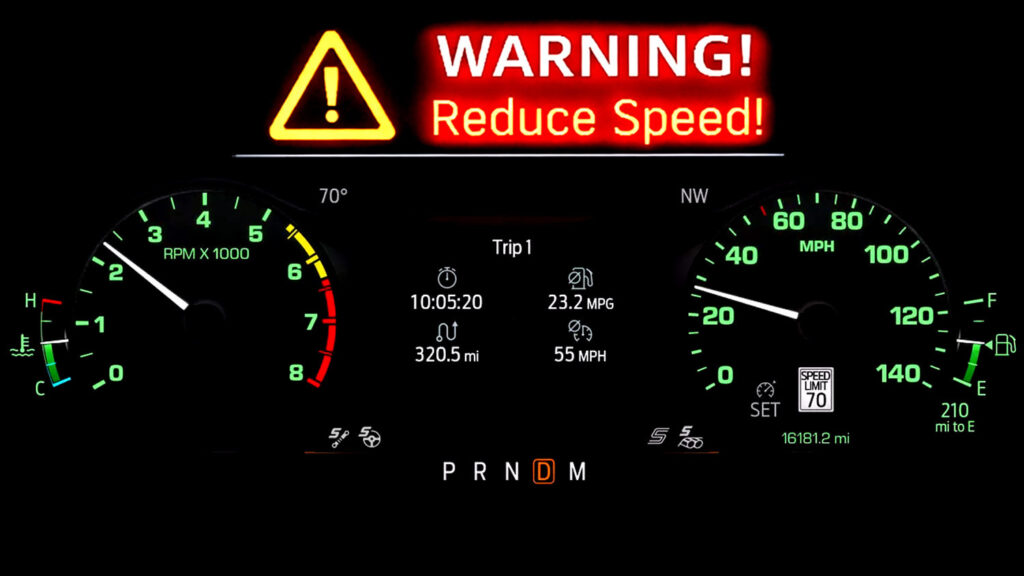
Intelligent Speed Assistance systems use GPS and speed limit databases to determine how fast a car should be moving and then restrict fuel supply if the driver attempts to exceed it. Similar systems already exist in Europe, and some cities in the US are experimenting with them in government fleets.
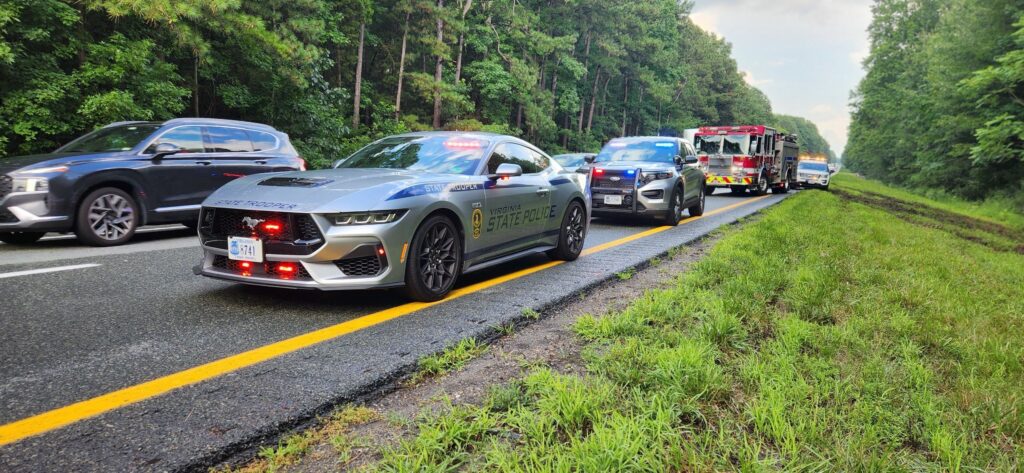
Virginia will become the first state to implement such a program across its entire territory. If accident statistics improve, it should come as no surprise if other states decide to follow this example.
This initiative reveals a broader trend in transportation policy, where technological solutions are increasingly considered as an alternative to traditional punishments. The question of balancing safety, driver freedom, and privacy remains open. The success of the program in Virginia could become a decisive argument for the further implementation of similar systems, changing perceptions of how society controls behavior on the roads. The effectiveness of such measures often depends not only on the technical side but also on public awareness and willingness to accept new rules of the game.