 by
by The Case of Driver Data Privacy
A new lawsuit is drawing attention to the practices of automakers and insurance companies in handling driver data. It’s not just about basic information like name or address. Toyota, the insurance company Progressive, and a data analytics firm are accused of collecting detailed information about driving style without proper customer consent.
The plaintiff claims that GPS location data, driving habits, and other behavioral information were collected without his knowledge and then transmitted to Progressive. According to him, this led to increased insurance premiums.
The Story of a Driver from Florida
This driver is Philip Sifke from Eagle Lake, Florida. He recounts discovering the possible tracking after purchasing a 2021 Toyota RAV4 and shopping for insurance. To his surprise, Progressive already had a detailed profile of his driving, linked to him.
“The problem is the consumer doesn’t know this is happening,” stated attorney John Yanchunis of Morgan & Morgan. The attorney representing Sifke added: “The car doesn’t know who is operating the vehicle.”
This profile reportedly contained a record of a “hard braking” event that occurred the day before he applied for insurance coverage.
Questions of Consent and Awareness
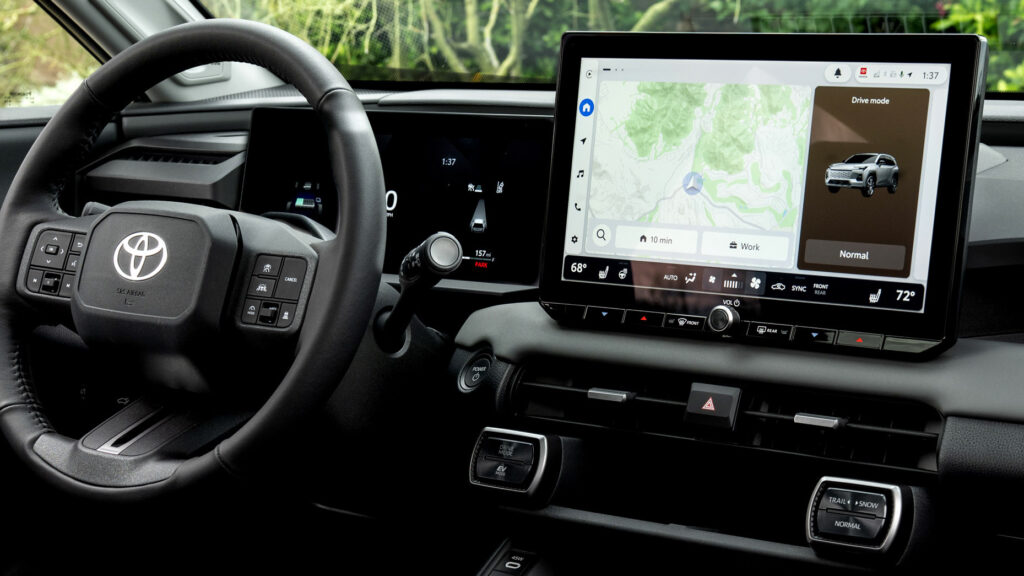
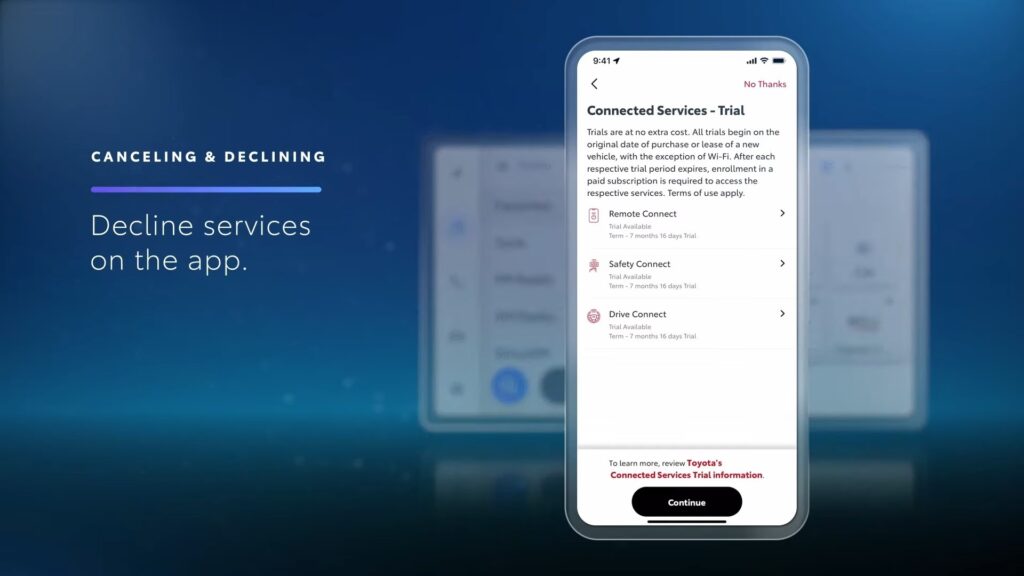
Sifke also claims that Toyota did not fully disclose to him what he was agreeing to. It turned out that in March 2021 and again in March 2024, he clicked the “Accept” button, granting Toyota permission to track him, record data from his car, and share that data with third parties.
Because of this, a judge ruled that he must resolve the dispute through arbitration and cannot file a lawsuit against Toyota in court. Despite this, the driver continues to seek legal grounds for appeal.

Not Just a Toyota Problem
This is not the first case of its kind. General Motors and the data broker LexisNexis have also faced similar lawsuits when their collaboration became apparent, which led to increased insurance rates for some owners due to the collected data.
This practice has attracted direct attention from regulators. This week, the U.S. Federal Trade Commission announced a comprehensive ban for General Motors, prohibiting the company and its OnStar subsidiary from selling geolocation and driving behavior data for five years.
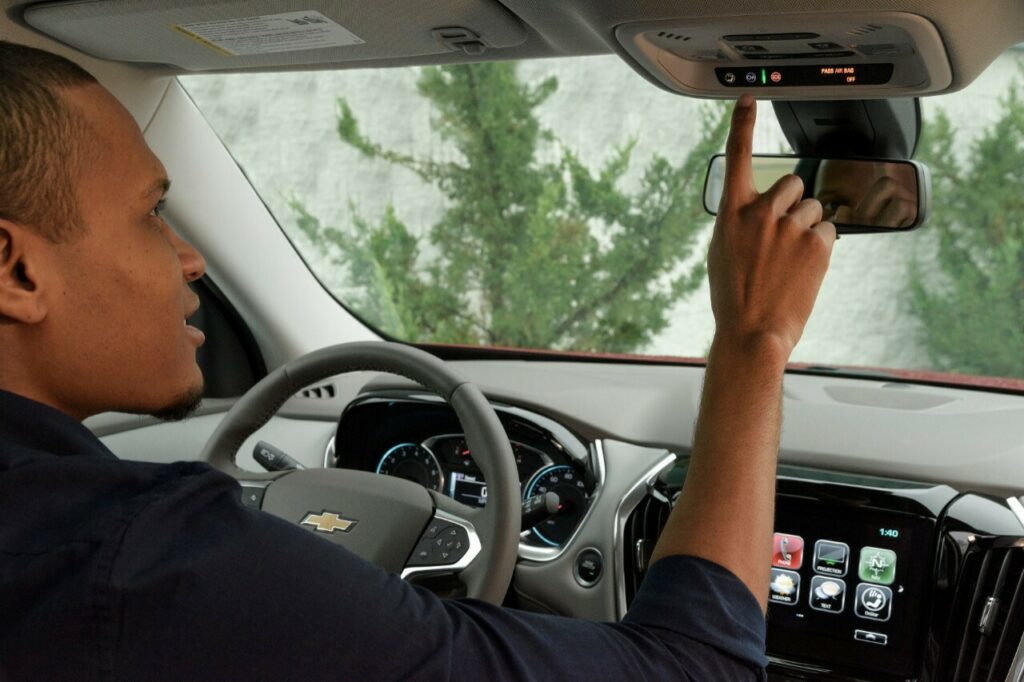
The decision was made after findings that GM collected and shared data from millions of vehicles without clearly informing drivers or obtaining meaningful consent, using what regulators deemed a deceptive registration process related to OnStar services and the Smart Driver feature.
The Future of Telematics and Consumer Protection
Telematics systems have the potential for positive use in the future, but it’s hard to imagine they won’t eventually turn into a source of additional revenue for companies.
The only way to avoid such an outcome is through clear and enforceable rules regarding consent, transparency, and control. Drivers should see exactly what data is being collected, who it is being shared with, and have a real opportunity to opt out. The alternative is abandoning “connected” cars in favor of vehicles that don’t transmit information every time you press the brake.
This case points to a systemic problem in the era of “smart” devices, where standard terms of use often contain hidden clauses about data collection. Drivers buying new cars may not even suspect that their vehicle is becoming a source of commercial information. Recent regulatory decisions, such as the ban on GM, indicate the beginning of a response, but the issue of full disclosure and genuine choice for the end consumer remains open. The effectiveness of arbitration as a rights protection mechanism is also questionable, prompting the search for new legal tools.