 by
by GM Super Cruise Reaches Record Mileage
General Motors introduced the Super Cruise system in 2017 on the flagship Cadillac CT6. Since then, the technology has significantly improved and is now available on 23 different models in North America.
The semi-autonomous driving system has reached an important milestone: vehicles equipped with Super Cruise have driven over 1 billion miles (1.6 billion km) hands-free. For comparison, this distance is equivalent to a trip to Jupiter and back, or 358,551 trips between New York and Los Angeles.
This number will continue to grow. Over the past year, GM customers used Super Cruise in 28.7 million trips, spending 7.1 million hours behind the wheel hands-free. Even more interesting is that drivers covered nearly half a billion miles with the Super Cruise system activated, meaning a significant portion of this achievement is quite recent.
Usage Frequency and Driver Habits
The automaker noted that drivers frequently use Super Cruise: over 50% of them drive hands-free every week. This figure rises to almost 85% when considering usage at least once a month.
Customers use Super Cruise for an average of 17 miles and 24 minutes per trip. This is similar to a typical commute, but the technology is immensely valuable for longer journeys, such as family vacations.
Subscriptions and Future Plans
GM expects the number of Super Cruise users to exceed 850,000 by the end of the year. The company stated that up to 40% of customers renew their subscription. While this figure may seem low, it represents a growing revenue stream for the automaker.
Vehicles equipped with Super Cruise come with three years of complimentary access. After that, the subscription must be renewed, with costs starting at $399 per year or $39.99 per month. According to preliminary estimates, GM could earn hundreds of millions of dollars annually from Super Cruise subscriptions.
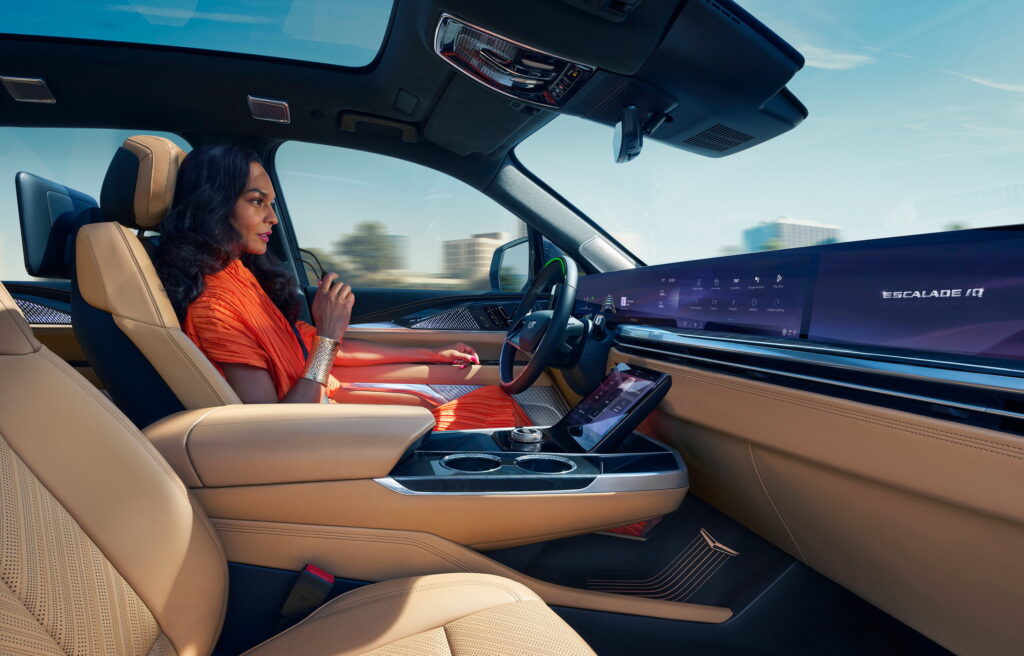
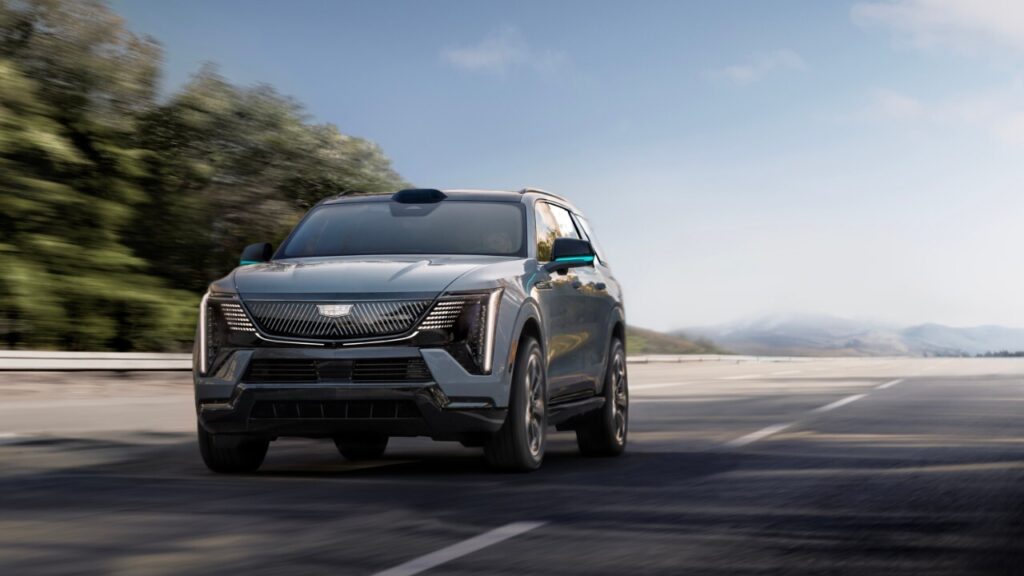
The company is not resting on its laurels. They previously announced plans to launch a system that allows drivers to take their eyes off the road on the Cadillac Escalade IQ in 2028. It will operate on highways and alert passengers and other drivers using a series of turquoise lights. The system will use lidar, radar, and cameras, as well as developments from Cruise and Super Cruise.
Google Gemini AI in GM Vehicles
Speaking of announcements from last year, GM is fulfilling its promise to integrate Google Gemini into vehicles in the coming weeks.
Thanks to an over-the-air update, approximately 4 million vehicles will receive smarter voice assistant technology. This includes some models dating back to 2022.
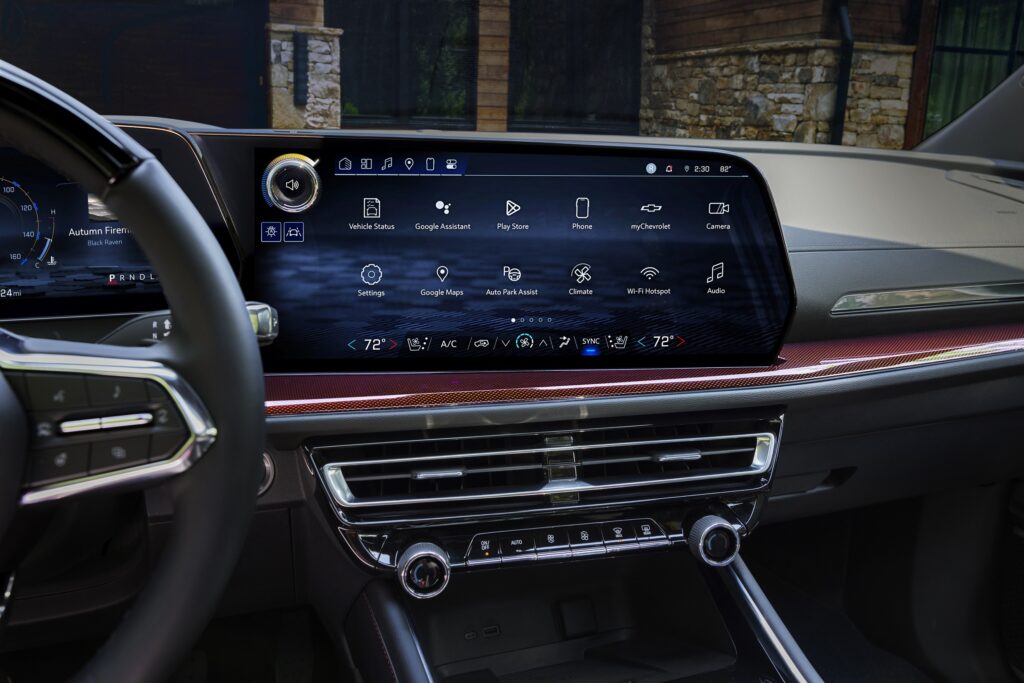
This is a welcome update. GM stated that later this year, they will “introduce a more deeply integrated artificial intelligence experience, shaped by OnStar intelligence.” It promises to deliver “smarter, more proactive assistance.”
When the system was announced last year, the automaker said it would “directly draw from your vehicle’s onboard intelligence to provide relevant, vehicle-specific information, such as upcoming maintenance needs or optimal route timing, with controls that let you decide what to share and how personalized the experience should be.” This could include everything from pre-conditioning the car to “recommending a dinner spot based on your past preferences and routes.”
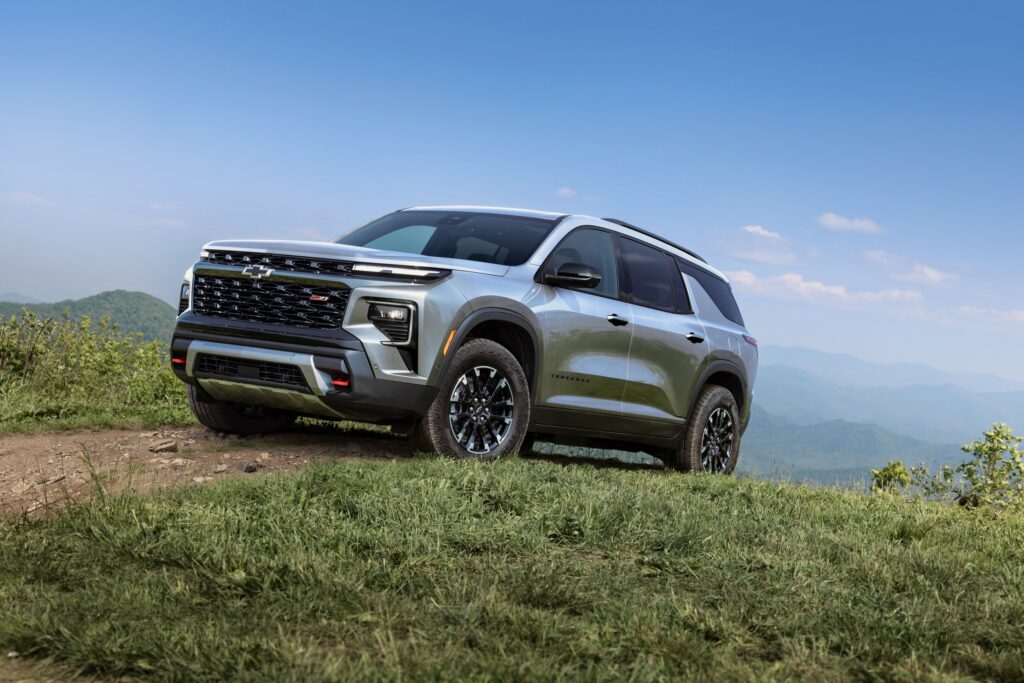
Achieving the 1 billion hands-free miles mark is a significant testament to consumer trust in Super Cruise technology. While the 40% subscription renewal rate may seem modest, it still forms a stable revenue stream that is likely to grow as the vehicle fleet expands. The integration of Google Gemini AI into 4 million vehicles is a logical step in the race for leadership in automotive technology, transforming the car into a more intelligent assistant. It also reflects GM’s strategy aimed at creating an ecosystem where software and subscriptions become as important as the vehicles themselves.