 by
by Volkswagen Group Seeks Workarounds for Chinese Electric Cars
The Volkswagen Group has recently been carefully maneuvering, trying to adapt to the European Union’s tightening of rules regarding the import of electric vehicles from China. Just a year ago, Cupra brand boss Wayne Griffiths warned that the brand could be “destroyed” by the EU’s new tariffs on electric cars imported from China. However, information has now emerged that the VW Group may secure special terms to overcome these European customs barriers.
The Essence of the Deal and Terms for the Cupra Tavascan
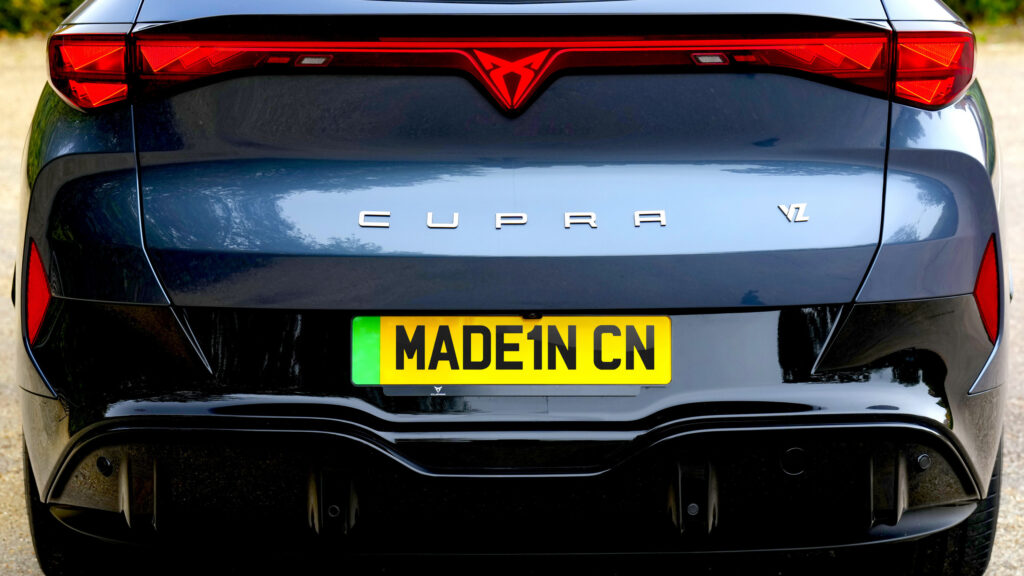
The European Union has imposed additional duties on electric vehicles manufactured in China, citing their financing through state support. However, there is a loophole in these rules: instead of paying tariffs, a car manufacturer can agree to sell a specific model at a minimum set price. According to the German publication Handelsblatt, Volkswagen plans to use this very option for the Cupra Tavascan model, which is produced in China.
If Brussels approves the deal, VW will be able to import the Tavascan to Europe, avoiding punitive tariffs of 20.7%, provided it adheres to the agreed price limits. Officially, such a procedure is entirely legal and provided for by the current rules.
Reactions of the Parties and the Approval Process
Representatives of the European Commission in Beijing state that such exceptions do not mean a reversal in policy towards Chinese cars, despite criticism from some observers. For its part, China is demonstrating public support for possible concessions from the EU.
Cupra brand boss Wayne Griffiths warned that the brand could be “destroyed” by the EU’s new tariffs on electric cars imported from China.
However, behind the scenes, the Chinese side is concerned that Volkswagen, as a European brand, might receive more favorable treatment than other manufacturers. Initially, China insisted on an industry-wide solution for everyone, but now seems to agree to individual deals, understanding that this is better than a complete deadlock.
Duration of the Procedure and Prospects for Other Brands
The process of reviewing each application to conclude a minimum price agreement can take over a year and, according to reports, is considered separately for each car model. Industry experts doubt that every Chinese brand will rush to take advantage of this opportunity, especially those already making a steady profit even under tariff conditions. However, for Volkswagen, the administrative costs in the case of the Tavascan are justified.
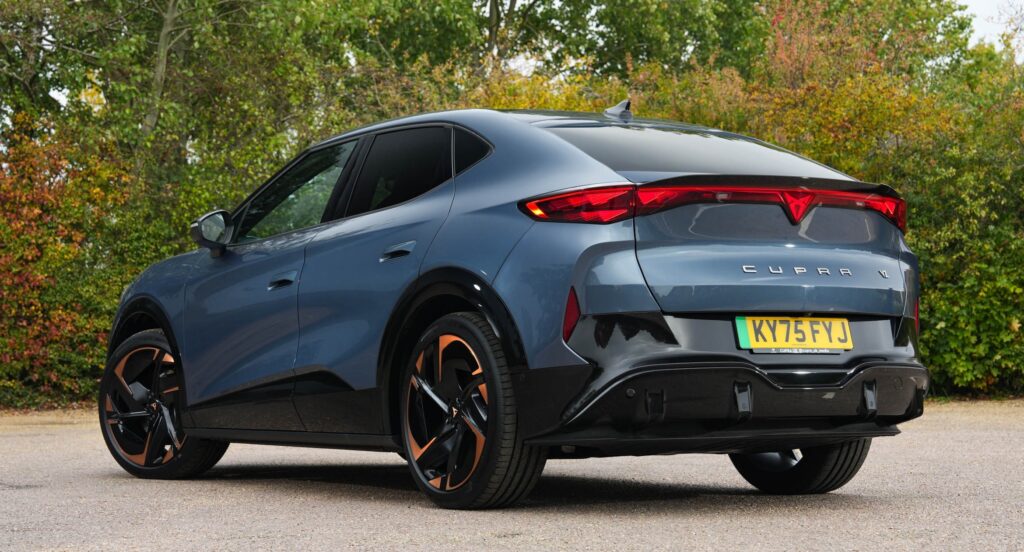
The Cupra Tavascan is a sportier version of the Volkswagen ID.5. This 182.8-inch (4644 mm) long electric crossover is built on the MEB platform and offers single- and dual-motor powertrains with a range of up to 353 miles (568 km).
This situation vividly illustrates how global auto giants are trying to balance political decisions and economic feasibility. Volkswagen’s quest to find a legal path to import a profitable product from China could set a precedent for other manufacturers. At the same time, the EU’s willingness to consider individual cases indicates a certain flexibility in complex trade policy, where protecting the internal market is gradually finding common ground with the interests of major European investors operating in China. The future will show whether such an approach becomes common practice or remains an exception for individual key players.