 by
by Lamborghini Recalls Several Hybrid Supercars Due to Camera Issue
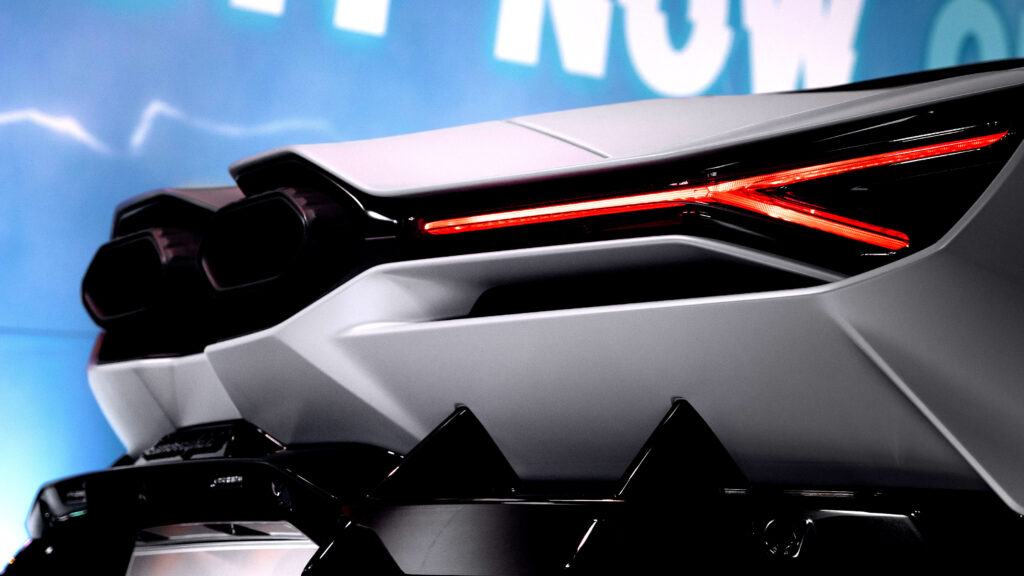
Even the most expensive cars, such as the Lamborghini Revuelto priced over $600,000, are not immune to technical problems and recalls. The Italian supercar manufacturer has announced a recall of a small batch of its hybrid models due to a defect related to the rearview system.
The Essence of the Problem
According to the U.S. National Highway Traffic Safety Administration, seven Lamborghini Revuelto vehicles from the 2024 and 2025 model years may fail to display the image from the rearview camera due to a software error. This means the vehicles do not comply with federal safety standards regarding rear visibility.
According to the official recall report, the issue can occur under very specific conditions: if the driver quickly shifts into reverse gear within one second after starting or turning off the engine. This action can cause the electronic control unit to “exit the camera display logic,” rendering it inoperable.
This is a rather specific scenario, but it can cause the ECU to “exit the camera display logic.”
Chronology of Defect Discovery
Lamborghini first noticed the anomaly back in May of last year and began an internal investigation. By the end of January, engineers were able to precisely determine that the cause lies in “one specific software version and vehicle configuration.” After this, work began to identify all vehicles affected by the issue.
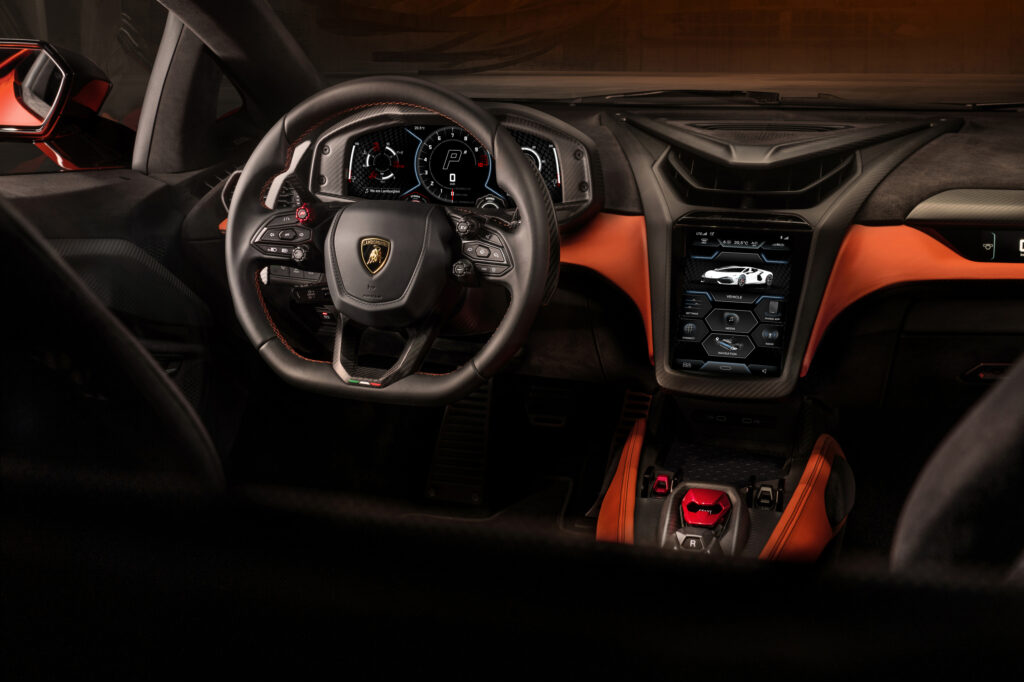
Scale and Resolution of the Problem
Fortunately, the scale of the recall is quite limited. Only seven vehicles with this defect have been identified in the United States, and all are subject to repair. The good news is that the fix is technically simple: dealers will update the rearview camera system software. Notifications to owners are planned to be sent out on March 26.
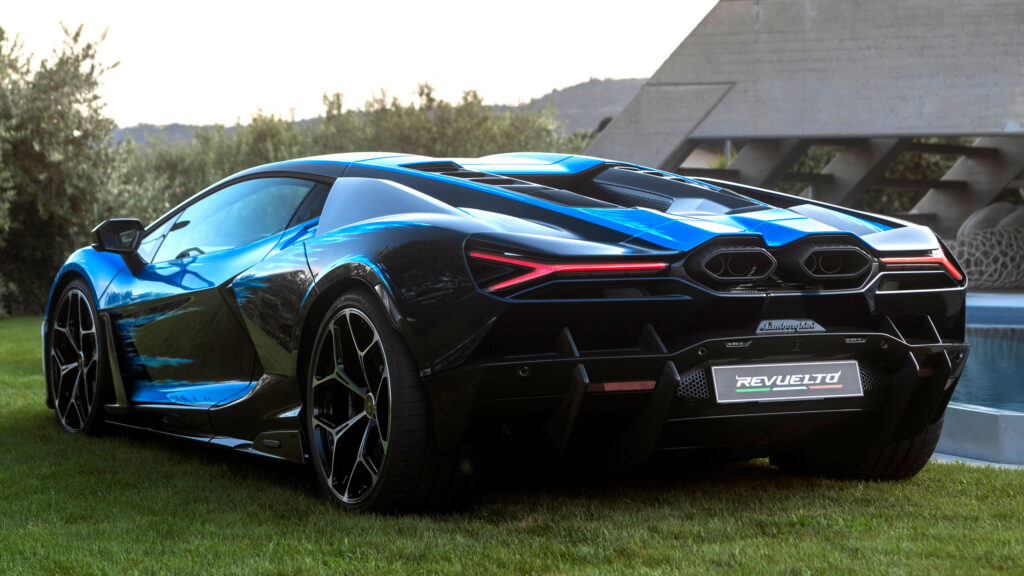
Until the defect is fixed, owners can continue to use the Revuelto’s powerful hybrid powertrain, which includes a naturally aspirated 6.5-liter V12 engine, three electric motors, an eight-speed dual-clutch transmission, and a lithium-ion battery. This system provides the supercar with a combined output of 1,001 horsepower and a top speed of over 350 kilometers per hour.
This case once again demonstrates how dependent modern cars are on software and electronic systems, where even a minor error in the code can affect critical safety functions. At the same time, the prompt detection and localization of the problem, especially on such exclusive and low-volume machinery, indicates well-established quality monitoring processes. For owners of such cars, it is important to monitor official communications from the manufacturer, even if the likelihood of encountering the conditions that trigger the defect is low.