
 by
by Sedans Are Returning to the Attention of Automakers
In the first quarter of 2026, the Toyota Camry did something it hadn’t achieved in almost a decade: it outsold all other models of its brand, including the always dominant RAV4 crossover. The difference was significant. 78,255 units of the Camry were sold, which is 11.3% more than a year earlier, while sales of the RAV4 fell by 48.1% to 59,869 units. It’s fair to note that the crossover is in the process of a generational update, which somewhat distorts the comparison.
Nevertheless, automakers are beginning to notice a new trend. Classic passenger cars may be preparing for a comeback, and many brands are taking this into account.
The Industry Is Rethinking the Passenger Car Segment
Crossovers and SUVs became popular for several reasons, including practicality, but mainly because they provide higher profits for manufacturers. Brands aggressively promoted these body types, convincing buyers they were better than regular cars, and here we live in a world of compromises on wheels. However, over the past decade, those same manufacturers have created a new problem. These SUVs and crossovers have become so expensive that they exclude a significant number of buyers from the market.
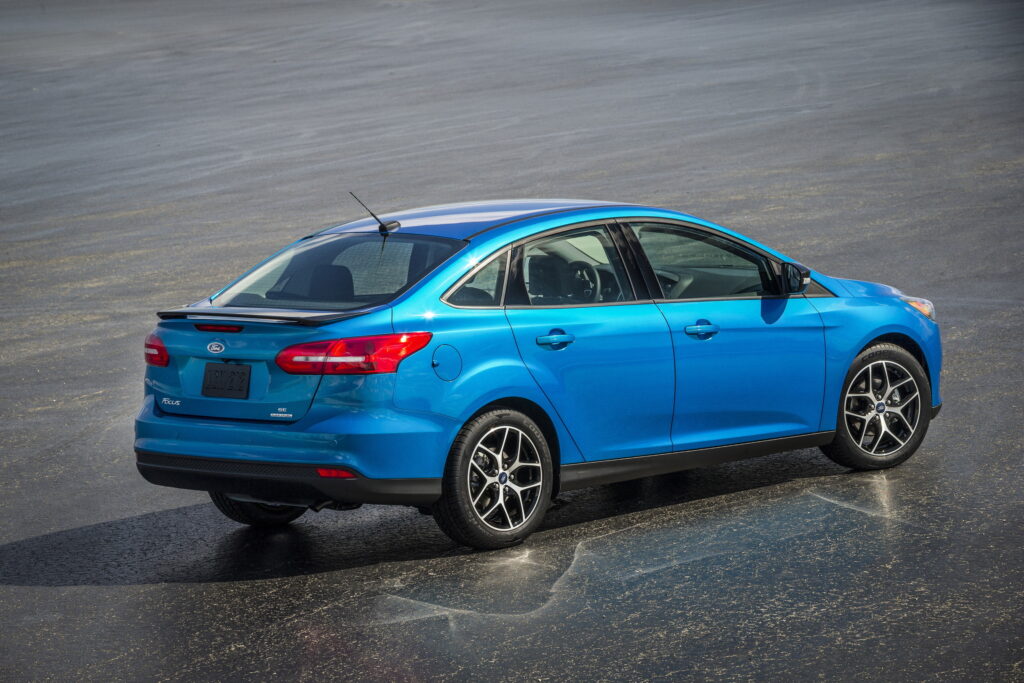
According to a new report by Auto News, this is one of the main reasons why executives at Ford, Nissan, Stellantis, and other companies are rethinking their attitude towards sedans. Tiago Castro, head of marketing and sales for Nissan in the USA, noted that sedans are “uncompromising and unexpected.” He said: “This is an opportunity to return to the brand’s roots.” Undoubtedly, brand heritage also plays a role here as a marketing tool.
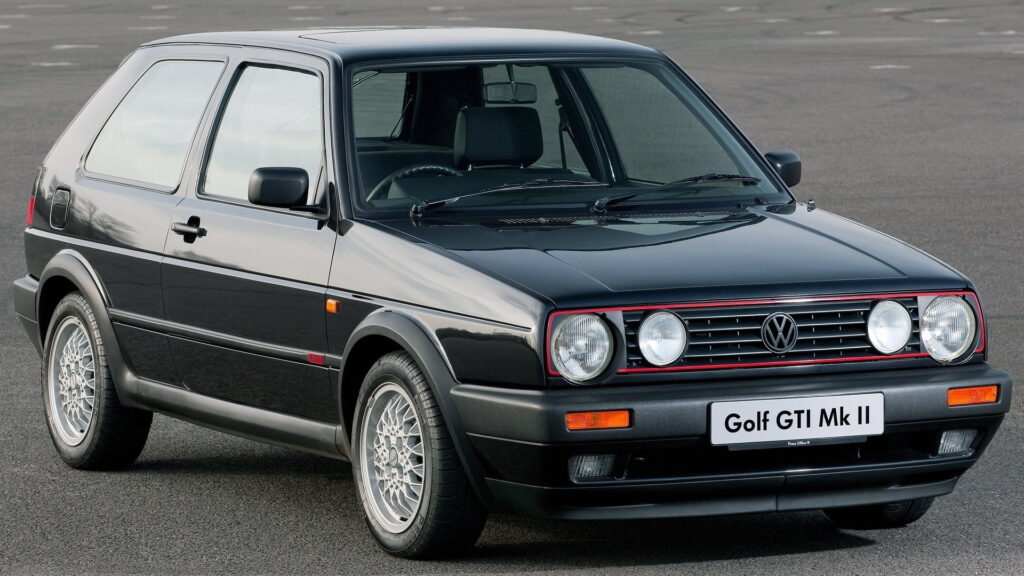
“Many people are asking for sedans,” said Stellantis design chief Ralph Gilles. “Young designers want hatchbacks, like the GTI from the 1980s. They want a personal car that’s fun to drive and easy to park. This forces us to rethink different body types.”
Perhaps most important is the support from the Ford brand. The company’s CEO, Jim Farley, at the Detroit auto show in January, stated: “The sedan market is very much alive. It’s not that the market isn’t there. It’s just that we couldn’t find a way to compete and be profitable. Well, we can find a way to do it.” Thus, they are saying there is a chance, and new regulations could become a decisive factor.
Stricter and Softer Rules
Automakers have long opposed fuel economy standards that, in their opinion, were too difficult to meet (a target of 50.4 miles per gallon). Now the federal government intends to soften these rules (a target of 34.5 miles per gallon), but the change is likely to have a side effect. Part of what made SUVs and crossovers so profitable was the ability to classify them as “light trucks.”
This classification allowed manufacturers not to adhere to fuel consumption norms that would apply to passenger cars. The new fuel economy rules will reclassify crossovers and many small SUVs as passenger vehicles. If this happens, it will remove the incentive for manufacturers to build so many crossovers. We can only hope.
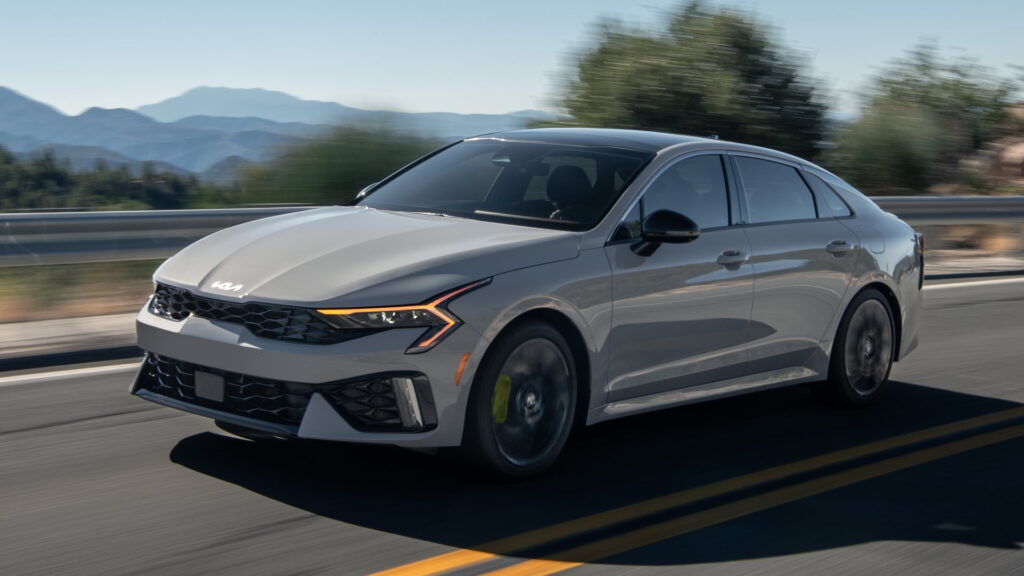
These shifts in the thinking of automotive industry executives point to the cyclical nature of the market. After years of dominance by tall vehicles with increased ground clearance, the logic of affordability and the emotional connection to driving are once again beginning to influence decisions. The opportunity to get a more affordable, neat, and energy-efficient car, especially in conditions of economic uncertainty, is becoming increasingly attractive both to buyers and to designers who strive to create cars with character, not just utilitarian vehicles. The success of models like the Toyota Camry, even considering temporary factors, serves as a clear signal to the entire industry that the demand for traditional passenger cars hasn’t disappeared anywhere; it was merely waiting for new, modern offerings.