 by
by Chinese Automaker Xiaomi Fixes Error with Aerodynamic Hood
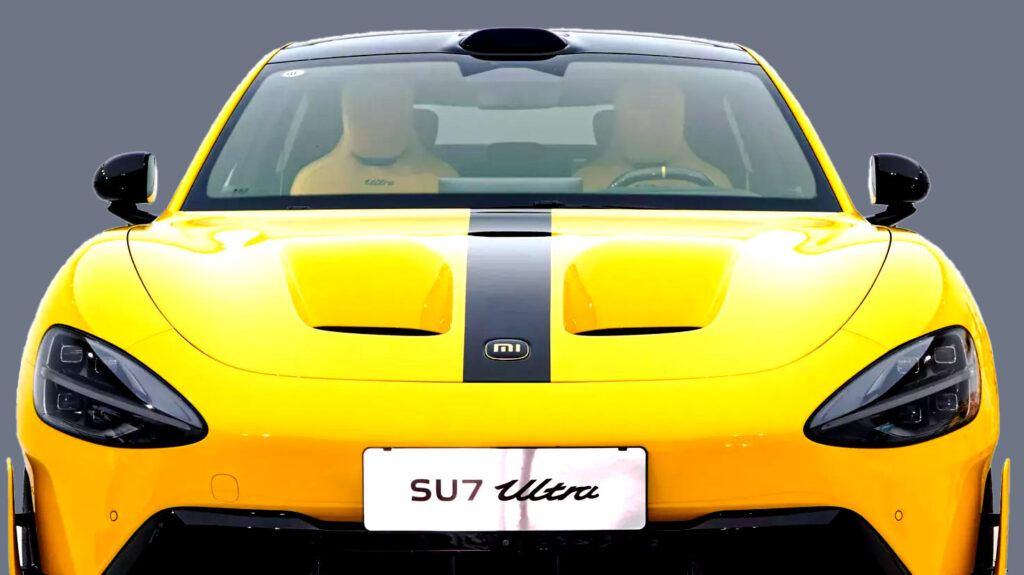
Xiaomi appears ready to close the chapter on the controversy surrounding the “fake” aerodynamic hood that affected the company last year. The Chinese automaker has now turned its optional carbon fiber hood into a truly functional component, and this response could be interesting for many established automakers to study.
At the beginning of 2025, Xiaomi began offering a special carbon fiber hood for the SU7 Ultra model. The design was inspired by the record-breaking SU7 prototype and included two prominent air intakes that were intended to help cool the brakes and battery. On paper, it sounded convincing, but in practice, it turned out to be completely different.
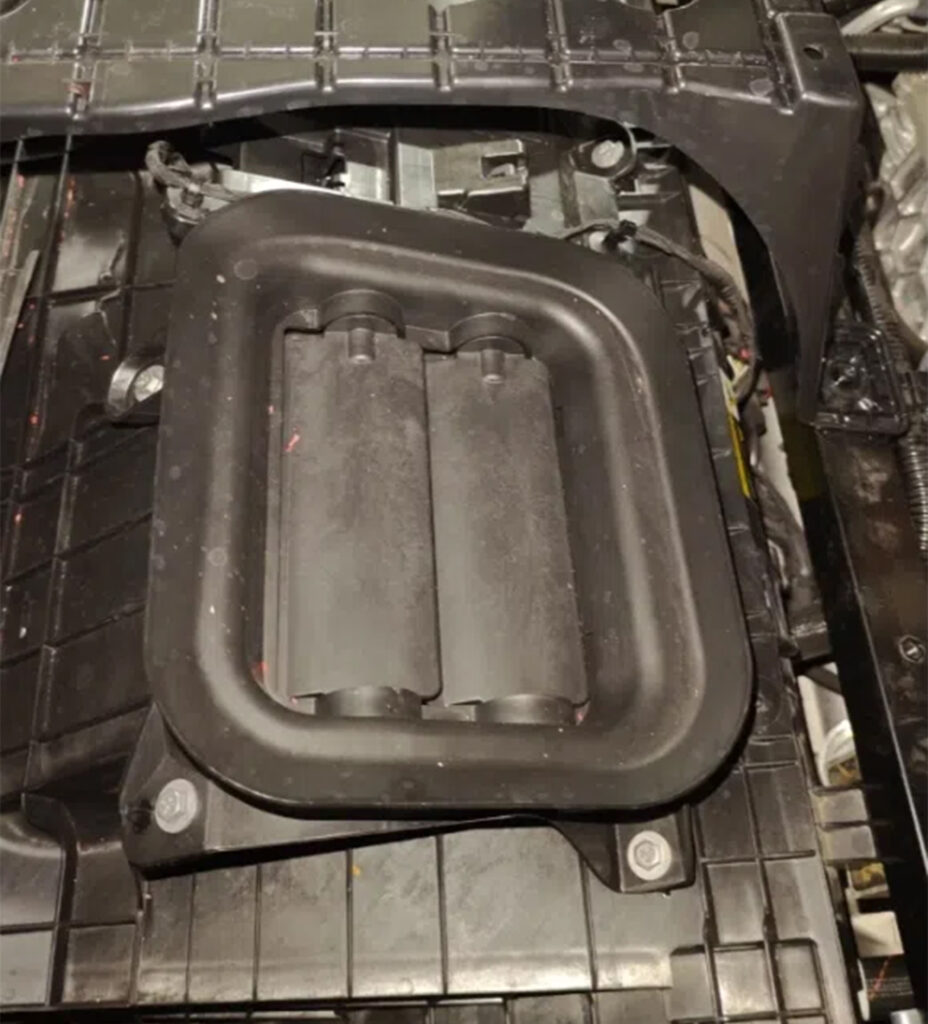
Xiaomi engineered working vanes to make its aero hood functional.
Owners Discovered the Deception
Soon after customers began receiving SU7s equipped with the 42,000-yuan hood, owners discovered that the promised performance benefits were simply absent. The structure under the hood was not altered at all, meaning the ventilation openings were purely decorative and did nothing for cooling or aerodynamics.
Last year, the company was sued over an aero hood that did nothing.
Unsurprisingly, the reaction was swift. Owners spoke out, some threatened to leave the brand, and the situation quickly escalated to the courts.
How the Hood Became Functional
Twelve months have passed, and Xiaomi has announced it will begin making these hoods functional for owners free of charge. The company states that engineers modified the internal structure of the front air intakes so they can work with the active radiator grille and increase downforce on the front axle.
The upgrade installation takes 2 to 3 hours and involves installing adjustable plastic vanes under the carbon fiber hood. This is a major victory for owners, and Xiaomi hopes this step will help restore some of the trust lost during the scandal.
The upgrade installs at a dealer and takes about two to three hours.
Lawsuit and Compensation
The dispute had already reached the courts before this fix appeared. In October of last year, a Chinese court sided with an SU7 Ultra owner who had sued Xiaomi over the hood. The ruling required the company to return the owner’s deposit for the hood, pay 126,000 yuan in compensation, and cover 10,000 yuan in court costs. Xiaomi also promised 20,000 bonus points to each customer who purchased the hood, worth approximately 2,000 yuan.
This story well illustrates how important transparency and the fulfillment of performance promises are for modern automakers, especially those emerging from the tech sector. Xiaomi’s swift response to criticism and its free fix of the defect, despite legal pressure, may ultimately help restore its reputation. Similar cases become precedents that shape consumer expectations regarding brand accountability for marketing claims, especially in the high-tech electric vehicle segment where every detail affects the overall product experience.