
 by
by Asian Automakers Anticipate Challenges Due to Middle East Tension
Toyota, Hyundai, and a number of leading Chinese automakers are finding themselves in a zone of uncertainty due to geopolitical tension related to Iran, which is beginning to affect trade in the Middle East region. What may seem like a distant conflict is quickly turning into a practical business problem for companies that rely on the uninterrupted operation of sea routes and stable demand in the Gulf countries.
The Middle East has always been a stronghold for Asian automotive brands. Toyota’s SUVs and pickups are a common sight on the roads of Saudi Arabia and the UAE, and the brand holds a 17% market share. Hyundai has managed to build a loyal customer base thanks to its full range of models—from compact sedans to family crossovers. They account for 10% of new car sales.
In recent years, Chinese manufacturers such as BYD, Chery, and SAIC have successfully advanced into the region, using it as a springboard for international expansion. For China, the region accounted for 17% of new passenger car exports. However, it is precisely this dependence that now puts them in a vulnerable position against the backdrop of a military threat.
Conflict Threat and Logistics Risks
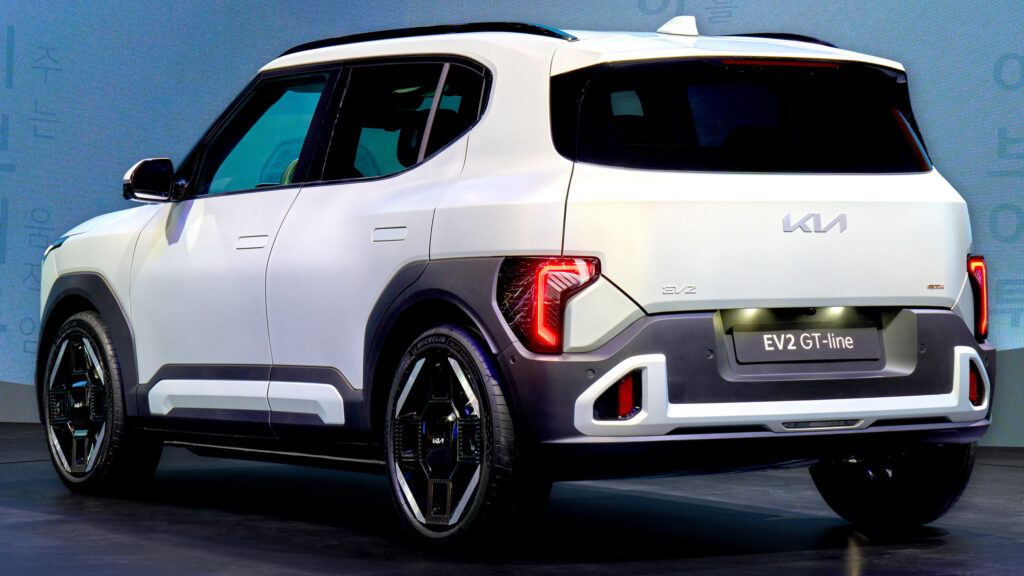
The first point of pressure is logistics. The Strait of Hormuz is one of the world’s most important oil routes. A Bernstein analyst notes that its closure could add 10-14 days to transit time. This route is also used for delivering cars and spare parts to the Middle East.
As tension rises, so do the costs of marine insurance, freight, and delivery times lengthen. According to analysts, Japanese automakers will currently be the least vulnerable, while Stellantis may come under particular pressure.
Chinese automakers face a somewhat different risk. Many of them have relied heavily on exports to offset slowing growth in the domestic market. The Middle East has been one of the most dynamic sales markets. If the conflict drags on and buyers postpone purchases, this export momentum could slow down. For brands that relied on foreign demand to balance competition at home, such a turn of events is a difficult test.
Impact on Costs and Consumer Behavior
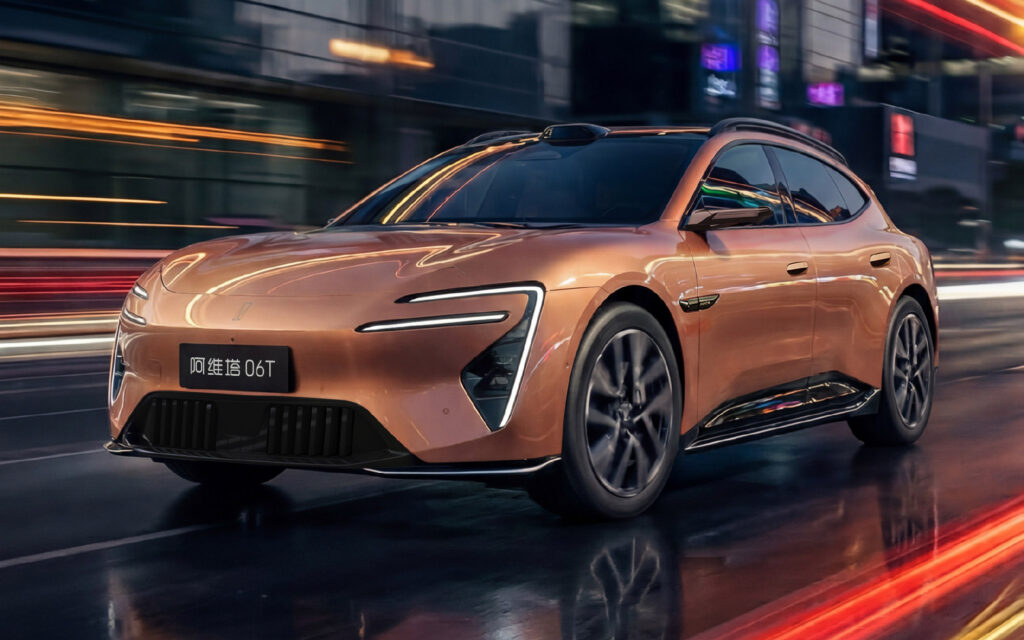
Chinese automakers may feel the consequences almost instantly. Cars destined for showrooms in Gulf countries are becoming more expensive to deliver, and production planning is becoming more complicated. Companies face a choice: either absorb the additional costs or pass them on to the buyer.
Oil prices add another layer of complexity. If fuel costs remain high, consumer behavior changes. Large SUVs and cars with powerful engines have always been popular in the Gulf countries and account for a significant share of Toyota and Hyundai sales. High fuel prices may gradually force buyers to switch to hybrids, cars with smaller engines, or electric models. This takes time, but prolonged pressure from fuel costs tends to shift preferences.
Psychological Factor and Future Prospects
The general mood is also important to consider. Political instability makes households more cautious. Major purchases, such as cars, are easily postponed if there is a sense of uncertainty in the air. Even a short-term slowdown in showroom traffic can be felt at factories in Japan, South Korea, and China.
Today’s situation is a reminder of the deep interdependence of the global auto industry on stability in key regions. The success of Asian brands in the Middle East was built on predictable logistics and stable demand. Now these same factors are becoming a source of vulnerability. Long-term consequences may include not only temporary supply disruptions but also structural changes in consumption patterns, forcing manufacturers to adapt their product lines more quickly to new economic realities, including a possible increase in the popularity of economical and electric vehicles in the region.