 by
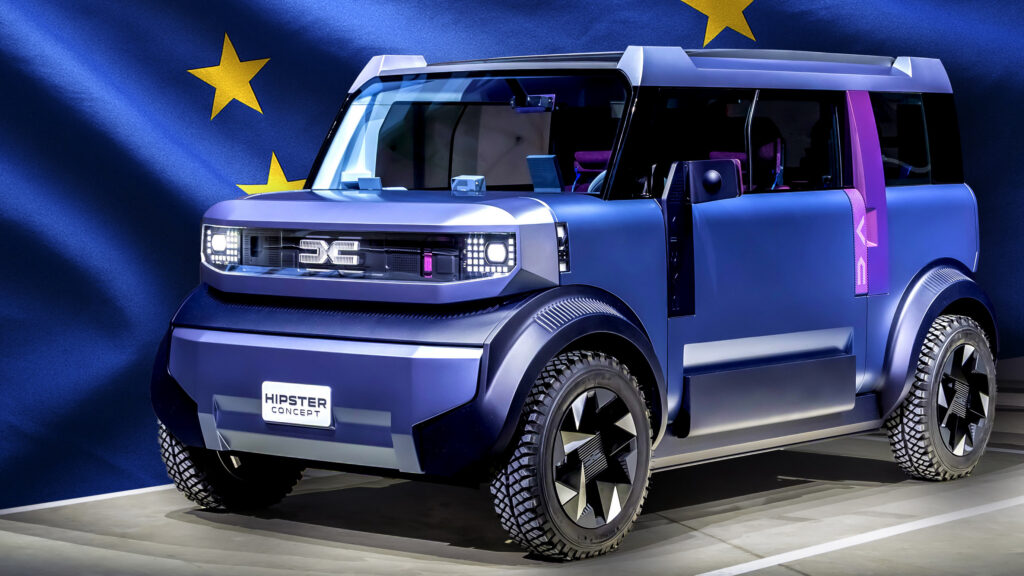
by According to information from several sources, the European Union is working on creating a new category of vehicles, which has been named ‘E-cars’. These will be small electric cars with simplified characteristics compared to conventional models.
Goal and Potential Characteristics
The details of the proposal are still being clarified, but the project is expected to be announced soon. According to reports, easing technical requirements could significantly reduce costs for European automakers. This would allow them to compete more effectively with Chinese companies, which are actively entering the European market.
Reports indicate that a number of currently mandatory safety systems may be removed from such cars. Among them, for example, are driver condition monitoring systems designed for long journeys.
Cost and Potential Models
If the initiative is implemented, prices for small electric cars could drop by 10-20 percent. This could lead to the appearance on the market of a number of new European electric cars priced from 15,000 to 20,000 euros.

Although the exact dimensions and weight of the future E-cars have not yet been determined, publications suggest that some Japanese kei cars may meet the criteria without any modifications. This would be a major plus for manufacturers, as it would allow easy export of already existing models to Europe.
Potential Benefits for Automakers
It is reported that the biggest beneficiaries of such changes could be the Stellantis, Renault, and Volkswagen groups. These companies already offer small electric cars and are preparing to launch new models. However, it is not yet clear whether these future developments will meet the criteria of the new category.

Implementation Timeline
It is important to note that any changes are likely not to happen immediately. After the project proposal is presented, bureaucratic procedures can be expected, which will slowly advance the idea. According to current estimates, it could take ‘several years’ until the launch of E-cars, if they are approved at all.
This discussion about the new car category is taking place against the backdrop of active debates regarding the balance between affordability, technological progress, and safety standards. The idea of simplified electric cars could open the market to a new category of buyers for whom cost is the main barrier, but at the same time raises questions about the long-term consequences for infrastructure and the perception of electric cars as a premium product. The success of such an initiative will largely depend on how manufacturers can integrate basic safety features into an affordable price category without creating a sense of ‘second-class’ for these vehicles.