 by
by This story begins with an arrest, but in reality it becomes yet another reminder of an ongoing struggle. The Monterey County Sheriff’s Office reported that 40-year-old Marcus Bee of Pismo Beach, California, intentionally damaged at least three Flock Safety automatic license plate readers in the rural part of the county. Apparently, additional surveillance cameras put an end to his actions. However, the controversy surrounding these devices is far from over.
How he was caught
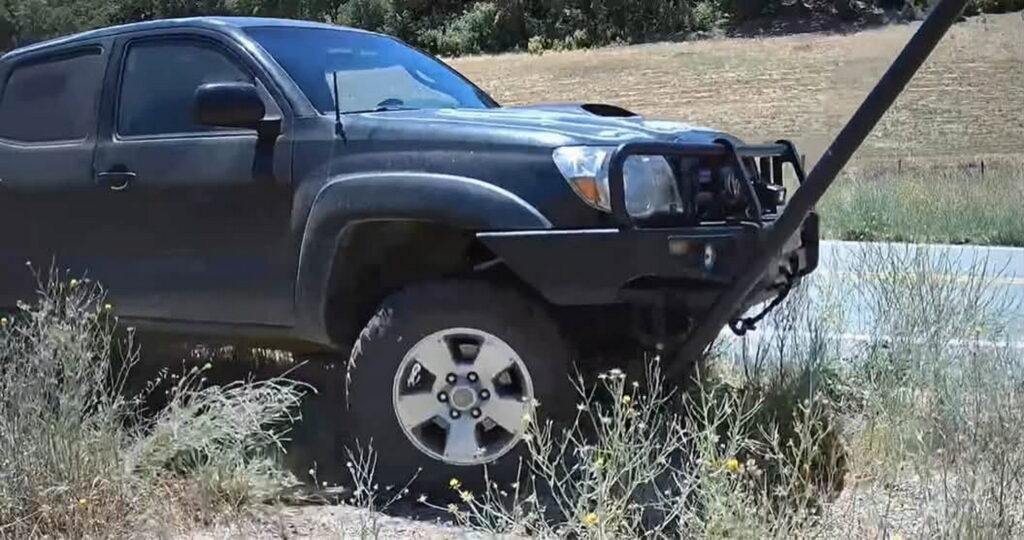
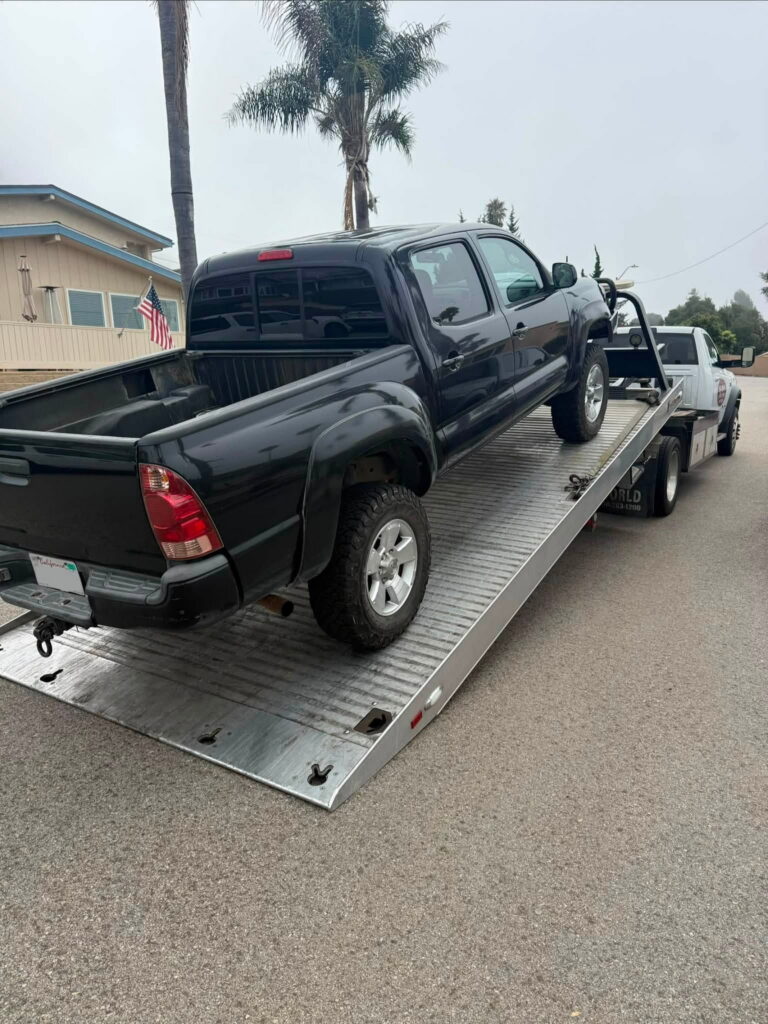
According to the sheriff’s office, detectives determined that Bee drove his Toyota pickup truck from Pismo Beach to Monterey County and damaged three Flock Safety cameras in the communities of Lockwood and Bradley. He rammed at least one of the cameras with his vehicle, as seen in published photos. The ALPR devices themselves were disabled, but Bee apparently failed to notice other cameras that recorded his actions. Detectives say these recordings, along with other investigative data, helped identify the suspect.
The sheriff’s position
Bee was arrested and booked into the Monterey County Jail. He is charged with felony vandalism under California Penal Code section 594(a)(3). Bail was set at $30,000. Sheriff Tina Nieto stated that this arrest demonstrates that damage to public safety infrastructure will be investigated very thoroughly.
“These cameras have become an invaluable investigative resource, helping us solve crimes, recover stolen vehicles and agricultural equipment, locate missing persons, and protect our communities. Any attempts to disable these systems will not stop us from doing our job,” Nieto said.
ALPR controversy continues
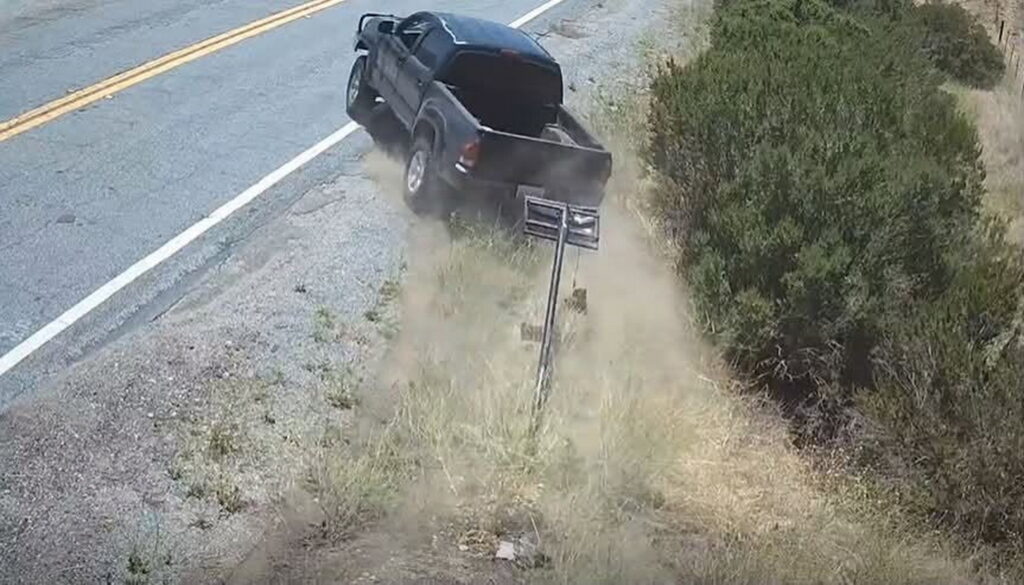
This arrest is unlikely to calm the debate over automatic license plate readers. Privacy advocates continue to ask how long vehicle data is retained, who has access to it, and whether mass collection of vehicle movement information crosses constitutional boundaries. Law enforcement, for its part, insists that such systems have become an indispensable tool for recovering stolen cars, locating missing people, and identifying vehicles involved in serious crimes.
If the charges are confirmed, Bee damaged three cameras. That is unlikely to significantly affect Flock’s overall operations. The company runs a nationwide network built on rapid replacement of damaged equipment. At the same time, this case shows something more important. Resistance to automatic license plate readers is not limited to one Californian. Similar incidents have occurred elsewhere, as privacy concerns continue to fuel rejection of this technology.
This case raises several questions without simple answers. On one hand, the quick arrest of the suspect was made possible precisely because of the cameras he tried to destroy. This adds arguments for technology supporters: even targeted vandalism does not go unnoticed when other surveillance points are nearby. On the other hand, for skeptics, the very fact of such an incident proves that ALPR networks provoke deep rejection among part of society, and arrests alone will not overcome it.
Separately, it is worth considering that California law provides for serious liability for damaging such equipment. Fines and possible prison time are meant to deter potential copycats. However, the debate over the balance between security and privacy will most likely continue. Technologies are becoming increasingly accessible, so society will have to develop clear rules — not only for those who install cameras, but also for those who use the collected data. The case of Marcus Bee may be just one of many episodes in this long story.