 by
by An Innovative Approach to Body Stabilization
Hyundai has long been known for creating affordable yet extremely fun-to-drive cars. Models like the i20 N and Elantra N have repeatedly proven their superiority over more expensive rivals, strengthening the N brand’s reputation. Now the company may be taking another step forward.
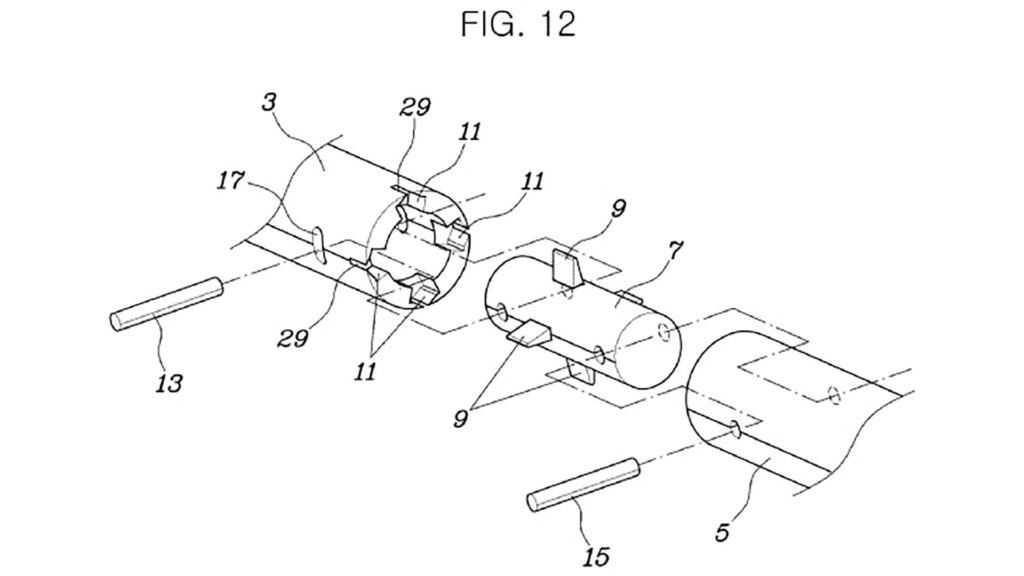
A recently published Hyundai patent reveals the possibility of radically rethinking the traditional sway bar. As with any patent, its appearance does not guarantee series production, but the described design looks technologically achievable, cost-effective, and capable of bringing many benefits.
How the New System Works
Instead of a solid stabilizer bar at the front and rear, the patent proposes a two-piece design connected in the center by a shaft with several springs. According to CarBuzz, this scheme gives the sway bar a degree of flexibility. As resistance increases, the outer sections begin to twist, eventually allowing the system to function as a rigid stabilizer bar.
Comfort Without Compromise
The real advantage over conventional design becomes apparent when one wheel hits a small bump. The impact is absorbed locally rather than being transferred to the opposite wheel. Thanks to the built-in play, each wheel independently handles minor road imperfections without activating the full resistance of the stabilizer bar, as happens in a rigid system. The result is a smoother, more comfortable ride, as fewer road vibrations enter the cabin.
Affordability and Versatility
Cars with hydraulic stabilizer bars already exist on the market, but such systems are significantly more complex and, critically, more expensive, which does not quite fit Hyundai’s philosophy. The new semi-active stabilizer bar described in the patent should not be much more expensive than a conventional one, yet promises substantial benefits.
It is worth noting that this technology does not necessarily have to be limited to sporty N models. It could be implemented in regular Hyundai, Kia, and Genesis vehicles, improving comfort for a wider range of drivers.
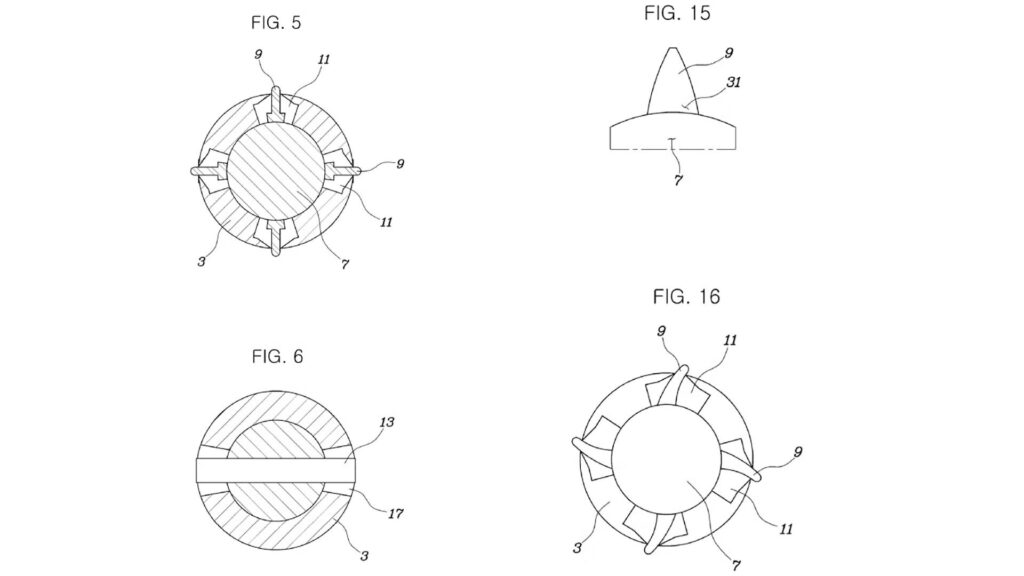
Sources: USPTO, Carbuzz
Thus, Hyundai finds a way to combine seemingly incompatible things: suspension softness over small bumps and crisp handling in corners. If engineers manage to implement this idea in production cars, it could be a significant step forward compared to competitors who rely on more expensive hydraulic solutions. Additionally, potential compatibility with a wider model range makes this development not only interesting for enthusiasts but also strategically important for the entire group.