 by
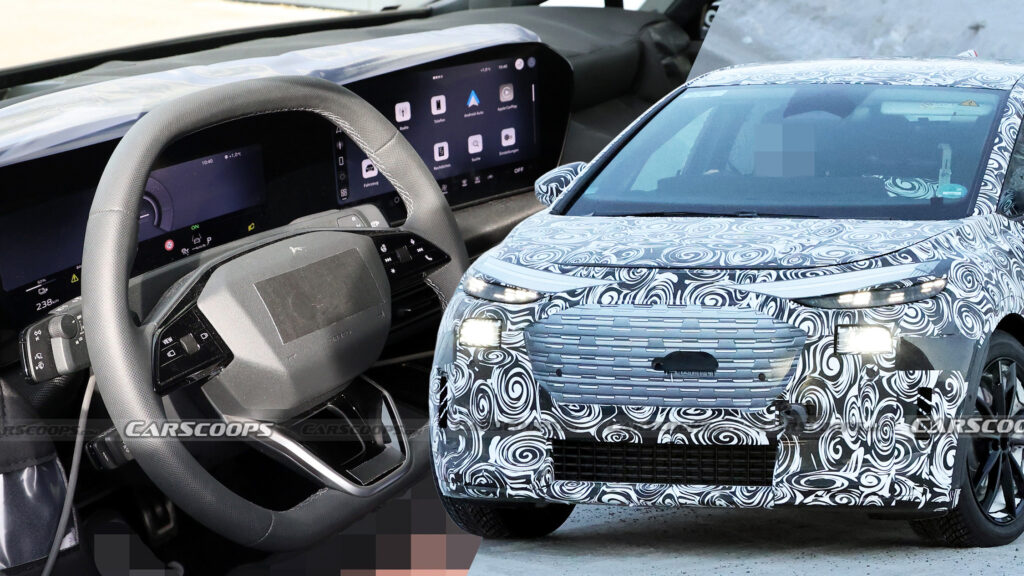
by The future Audi A2 e-tron electric crossover has been captured by cameras both outside and inside. This model, the size of a BMW iX1, has received a widescreen digital instrument panel. The car will likely be built on the MEB platform, used in models similar to the Q4 e-tron, which could provide a range of over 350 miles.
Premiere Interior of the Smallest Electric Audi
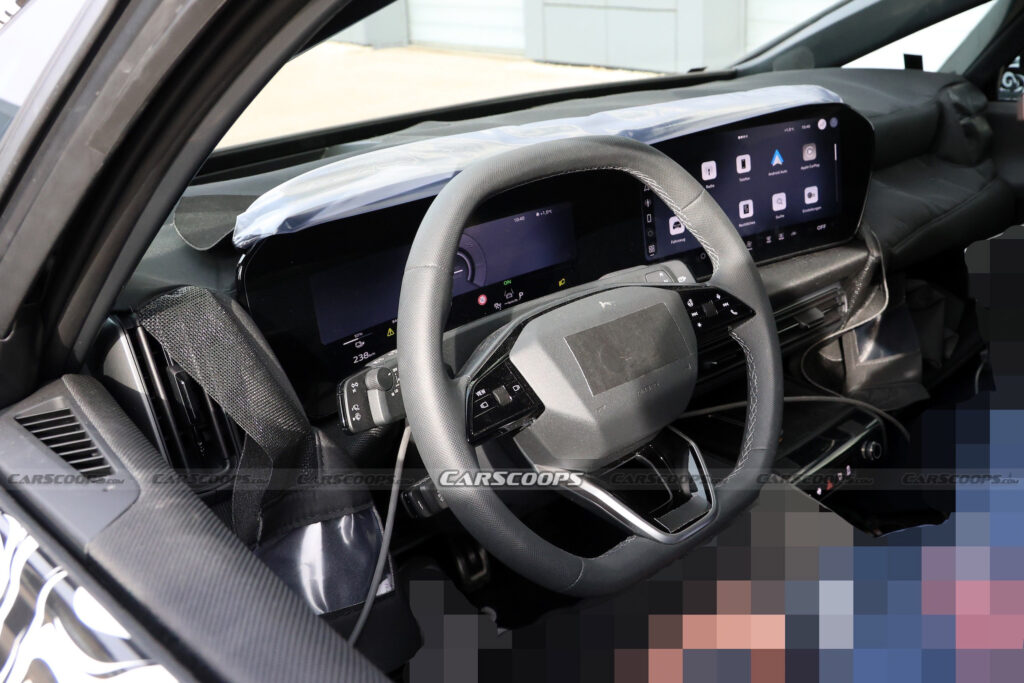
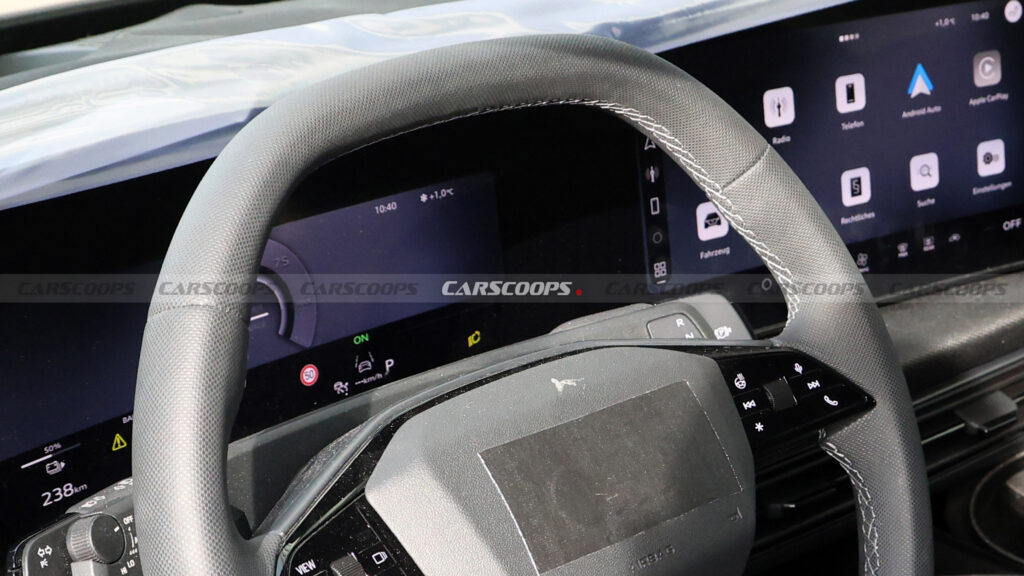
The exterior of the future Audi A2 e-tron has been caught by the lens multiple times, but now the interior can be seen for the first time. And, surprisingly, it looks as if Audi used parts from the new Q3 for its smallest electric car—a vehicle retro in name but absolutely modern in essence.
The spy photo reveals a clean, technologically advanced interior that strongly resembles the interior of the latest Audi Q3, introduced in September. The recognizable curved digital instrument panel smoothly flows into the central MMI touchscreen, plus the massive, rectangular Audi steering wheel with multifunction buttons.
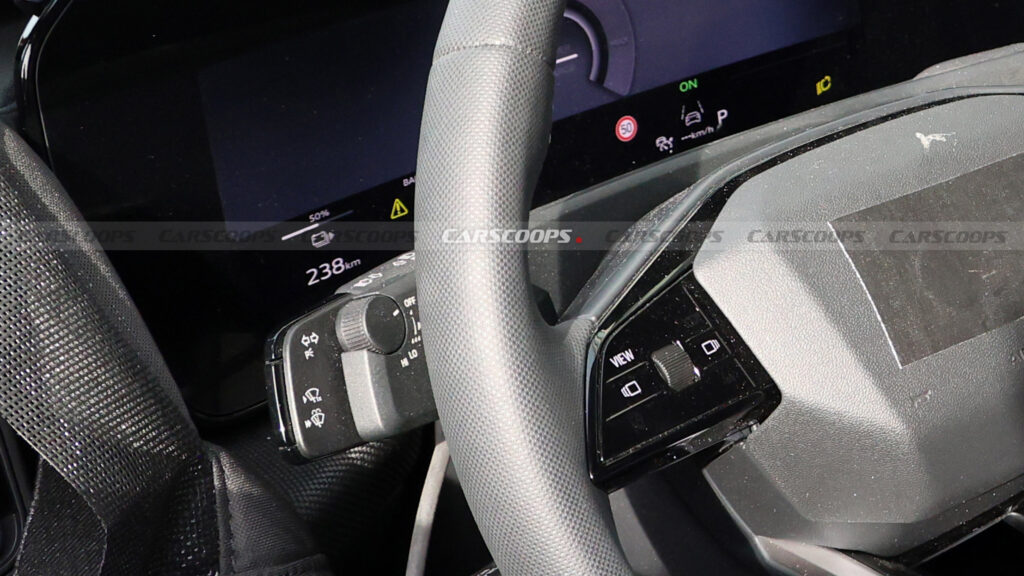
Even the controversial new steering wheel switches look as if they were taken straight from the Q3, where they first appeared on the A5 sedan and wagon.
Premium Quality for a Compact Model
This confirms that Audi does not view this model as a budget electric vehicle. The A2 e-tron may be the smallest in the lineup, but inside it looks truly premium. One can expect customizable ambient lighting, eco-friendly trim options, and the latest AI-based Audi voice assistant with app integration and streaming services. Level 2 driver assistance systems are also expected to be on the options list.
Proven Platform and Technical Specifications
The car is based on the familiar 400-volt MEB platform from the Volkswagen Group, used on numerous models such as the VW ID.3, ID.4, and Audi’s own Q4 e-tron. Single-motor versions on the MEB are rear-wheel drive, but all-wheel-drive variants with two motors (quattro) will also be available. Rumors are circulating about a possible high-performance A2 RS version.
The base version is expected to receive a single front motor with 201 hp, powered by a 63 kWh battery, providing a range of about 250 miles. In more powerful trims, single-motor versions can develop over 268 hp, and a larger battery is capable of delivering up to 348 miles of WLTP range, possibly more.
Modern Interpretation of a Classic
The A2 name is a nod to the past. The original Audi A2 was a unique car with an aluminum space frame, produced from 1999 to 2005 and not a mass-market success, but later gained cult status. This time, Audi skipped the obvious Q2 naming option, reviving A2 instead, betting on nostalgia with a modern electric twist.
In terms of design, the exterior looks noticeably different from the larger Q4 e-tron. It hints at the original A2 with its upright stance and split rear glass effect, but it looks sharper, wider, and more expressive. Narrow daytime running lights are positioned high, the main headlights are lower in the bumper, and the closed-off grille gives a confident electric ‘face’.
Market Positioning and Competitors
The A2 will effectively replace both the gasoline-powered A1 hatchback and the Q2 crossover in Europe, positioning itself in the lineup below the Q4 e-tron. Key competitors for the model include the Volvo EX30, BMW iX1, Smart #1, Alfa Romeo Junior, and Mini Aceman. Therefore, prices are expected to start below the €35,000 mark when sales launch next year.
The revival of the A2 name for the electric era is an interesting strategic move that combines the brand’s heritage with its future. While the original model was niche due to its high-tech and expensive aluminum construction, the new version, built on a scalable electric platform, has every chance to become much more mainstream. Its success will depend not only on the nostalgia factor but also on how well Audi manages to embody premium quality and driving dynamics in a compact and affordable format to compete with already established players in the compact electric crossover segment.