 by
by Nio’s Battery Swap Quantity Record
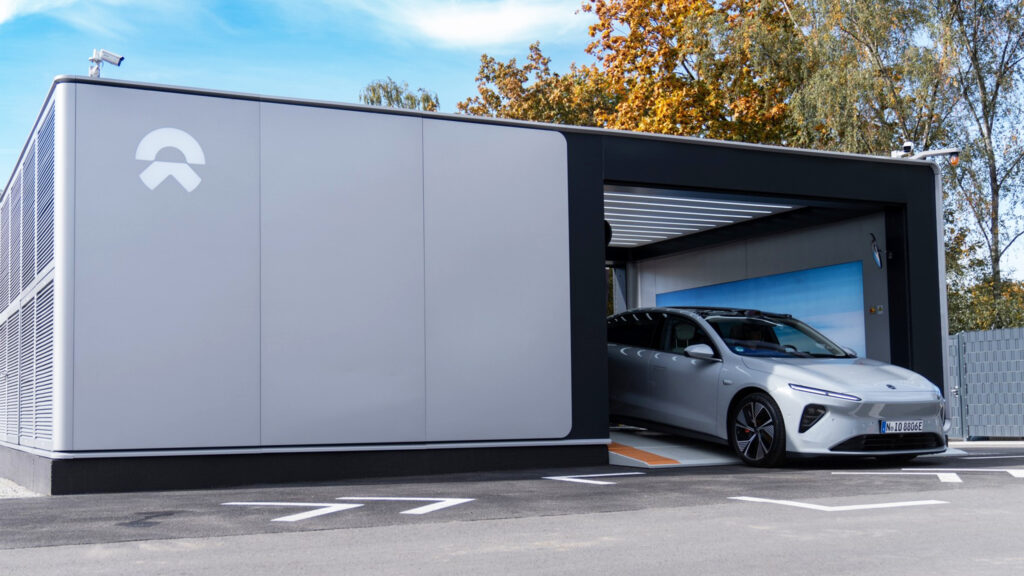
As far back as 2013, Tesla experimented with the idea of quickly swapping battery packs for its electric vehicles, demonstrating a system capable of doing so for the Model S in just 90 seconds. However, the company decided not to commercially implement this technology. The Chinese manufacturer Nio, on the contrary, saw potential in it and created the world’s largest network of battery swap stations.
How popular has this service become? On February 21, Nio car owners carried out an impressive 175,976 battery swaps across China in a single day. This means that every half-second, one Nio electric vehicle received a new battery.
This record was set on the second day of the Lunar New Year holiday, which is traditionally the most intensive travel period in the country.
Network and Technology Scale
Currently, Nio operates over 8,600 charging and battery swap stations in China. The network covers over 550 cities and includes major routes connecting 16 key urban agglomerations in the country. The company has also begun deploying charging stations in Europe.
The company is now deploying fourth-generation stations, launched in mid-2024. While the first stations could only store 4-5 battery packs simultaneously, the latest ones can accommodate 23 batteries and service up to 480 swaps per day. Each swap procedure takes 2 minutes and 24 seconds, which is even faster than refueling a conventional internal combustion engine car.
Opening the Network to Other Brands
Soon, not only Nio owners will be able to use these stations. The company has signed cooperation agreements and technology exchange deals for battery swapping with a number of major automakers, including Geely, Chery, FAW, GAC, and Changan. This will significantly expand the network’s user base within the Chinese market.
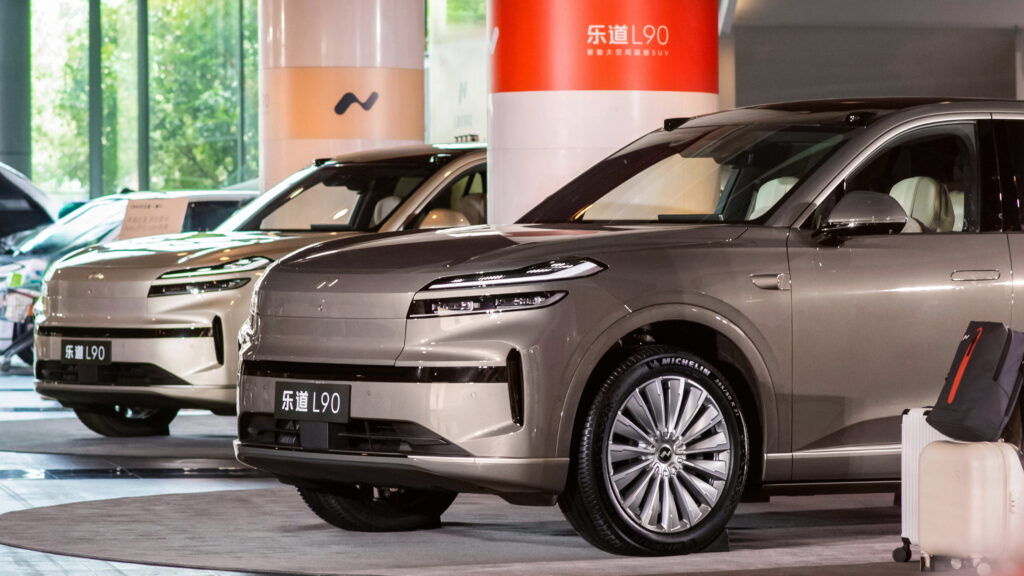
Nio’s success demonstrates that the rapid battery swap model can be viable and mass-market, especially in markets with high population density and intense traffic. The transition from a demonstration technology to a daily operational reality for hundreds of thousands of cars is a significant step in the development of electric vehicle infrastructure. Cooperation with other manufacturers could make this technology a new industrial standard, simplifying electric car ownership and eliminating charging time as one of the main barriers for buyers.