 by
by BMW Begins Collecting Video from Customer Cars
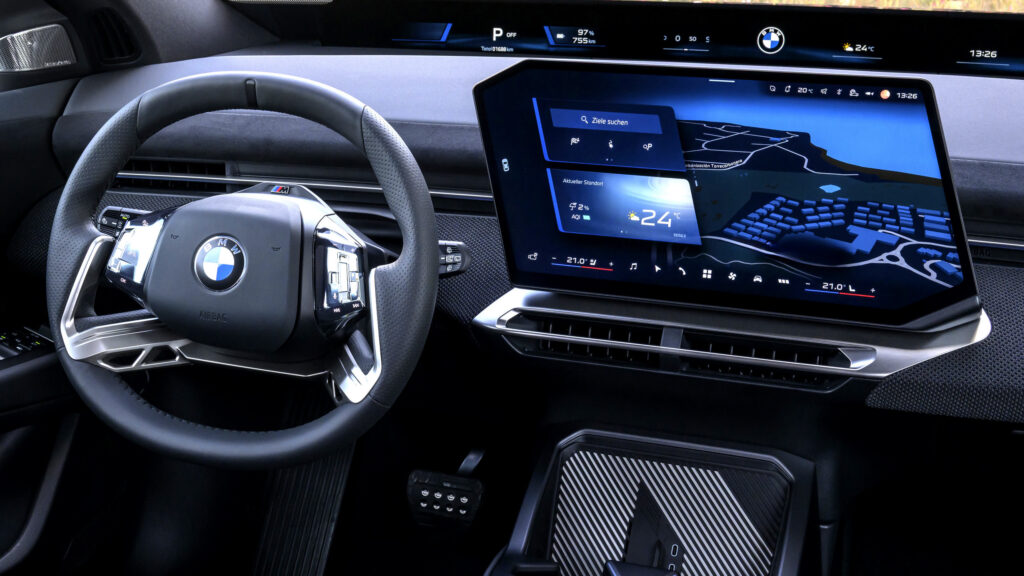
Starting April 1 in Germany, BMW will begin collecting video recordings, images, and sensor data from its customers’ cars. The program launches with the new iX3 model and will later extend to the i3 and other future vehicles. Importantly, driver consent is required for data collection, and the company claims compliance with all data protection regulations.
The system is not constantly active, but only in specific on-road situations. Recording occurs under the following conditions:
As part of the initial setup process in any car with the BMW Operating System X, the driver is asked to give explicit consent for the use of functions such as geolocation, microphone, and cameras. This consent is entirely up to the driver and can be revoked at any time.
Anonymization and Security Technologies
BMW emphasizes that the system does not conduct constant video surveillance. Before data is sent from the vehicle, faces and license plates are blurred where technically possible. Upon arrival at the company’s servers, the vehicle identification number is automatically deleted, making it impossible to link recordings to a specific car.

Purpose of Data Collection
The main goal of this initiative is to improve semi-autonomous safety systems. The collected real-world data will help enhance functions such as:
- Automatic emergency braking
- Lane change assistant
- Cross-traffic warning
- Highway and urban driving assistance systems
The company believes real road incidents are far more useful for development than simulations or testing on engineering vehicles, as they show how people operate vehicles in real-world conditions.
International Rollout and Future
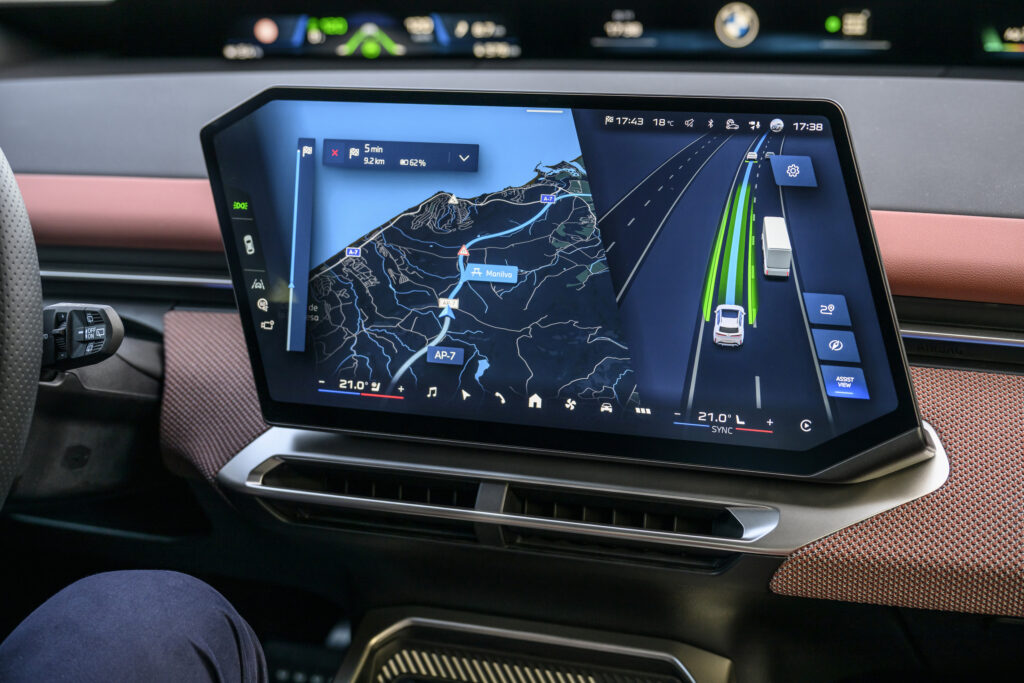
Currently, the system is being implemented only in Germany, but BMW plans to gradually expand it to the entire European Economic Area. Improvements developed based on the collected data may later be delivered to customers via over-the-air software updates.
Tesla has been using a similar data collection practice for several years, which once sparked controversy due to the potential for employees to access private moments inside cars. BMW emphasizes the differences in its approach, particularly the mandatory anonymization and optional participation.
The question of a possible rollout of this system in the US remains open, as BMW representatives did not give a direct answer regarding plans for the American market. At the same time, it is confirmed that the consent requirement applies to any vehicle with Operating System X, which debuts on the iX3 and the upcoming i3 before becoming standard for all new BMW models.
This initiative reflects a broader trend in the automotive industry, where manufacturers are increasingly relying on real-world data to improve safety and autonomous driving systems. While anonymization technologies are advancing, such programs always raise questions about the balance between innovation and privacy. The success of similar projects often depends on company transparency and clear communication to customers about how their data is used. The development of semi-autonomous safety systems could certainly lead to a reduction in accidents, but society will have to define the limits of acceptable data collection in exchange for potential road safety improvements.