 by
by Product Pause for Honda
Honda has sharply braked its push into the electric vehicle market and now finds itself in a situation where it has almost nothing new to offer customers. After canceling several electric models, the company has encountered a product gap in North America that could last until 2027 or even longer.
This is a serious problem for a market where buyers expect new releases. Analysts believe that next year, Honda may not introduce fully updated key models and will have to rely on cars whose design is beginning to become outdated.
Just a few months ago, Honda dealers were preparing for a massive influx of interesting new models. The company made a big bet on electric vehicles, shifting engineering and financial resources from traditional development areas. However, demand fell, political courses changed, and suddenly these future models lost their economic viability.
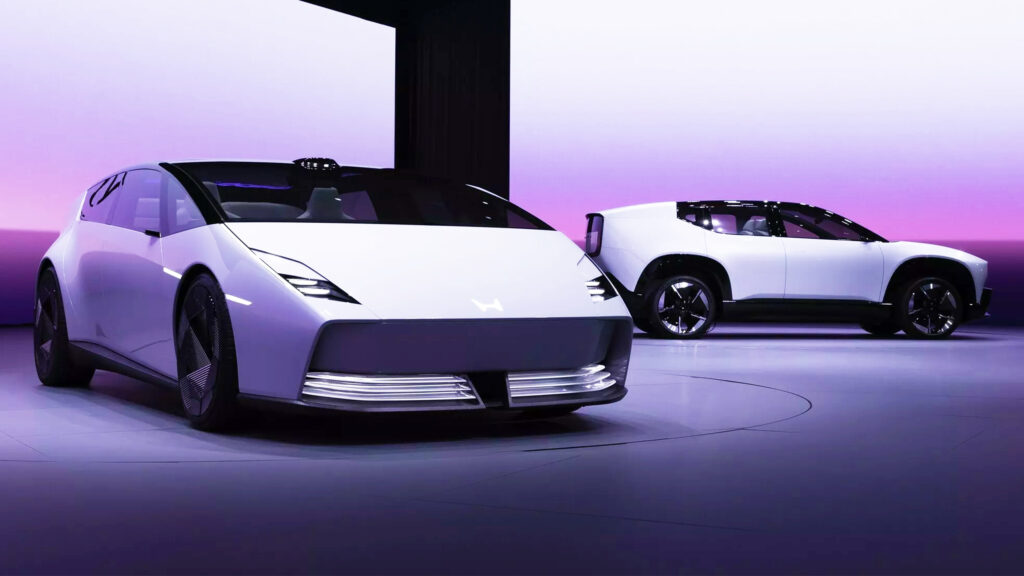
The company was forced to halt projects. This applies to the stunning 0 Saloon sedan, the 0 SUV, and even the planned revival of the Acura RSX. Interesting ideas were buried along with billions in investments. The consequence is a “hangover.” The development of new ICE vehicles has slowed, and the company is trying to regain momentum while competitors continue to release fresh models. The first truly new product will be the updated CR-V, expected in 2027.

Questions of Efficiency and Competition
The problem is not only the timeline for new product releases. The efficiency of Honda’s development cycles has been under close scrutiny for many years, and lagging behind competitors like Toyota doesn’t help matters. Another concern is price pressure. In the US, Honda is already offering larger incentives to buyers than some competitors to maintain sales. If new competitor models start hitting the market while Honda’s lineup remains virtually unchanged, discounts could become even larger.
Financial Consequences
The financial picture also doesn’t look optimistic. The retreat from the electric strategy is estimated to cause significant losses, not only due to wasted time and money on development. It is reported that the automaker may have to pay suppliers around $10 billion, as they have already prepared production for components for the canceled electric vehicles. Rumors are also intensifying that dividend payments could be at risk if profitability does not recover soon.
Honda insists that it is stabilizing the situation by focusing on hybrid technologies and reorganizing development processes to accelerate them. There is also talk of potential collaboration with Nissan in the North American market. However, so far there are no concrete deals or announcements, so one should not expect many new model presentations in the coming few years.
This Honda situation is a vivid example of the risks associated with a sharp change in strategic priorities in the automotive industry. The reorientation from an electric future back to hybrids and internal combustion engines leaves the company in an uncomfortable position as competitive pressure only grows. Success will depend on how quickly Honda can restart its development cycles and offer the market products that meet current demands for technology, design, and economic efficiency, without losing its reputation as a reliable brand.