 by
by GM Continues Production in South Korea Despite Tariffs
Although the tariffs introduced by the United States have forced some automakers to relocate production to the country, General Motors is in no hurry to abandon assembling a number of Buick and Chevrolet models in South Korea for export to the American market.
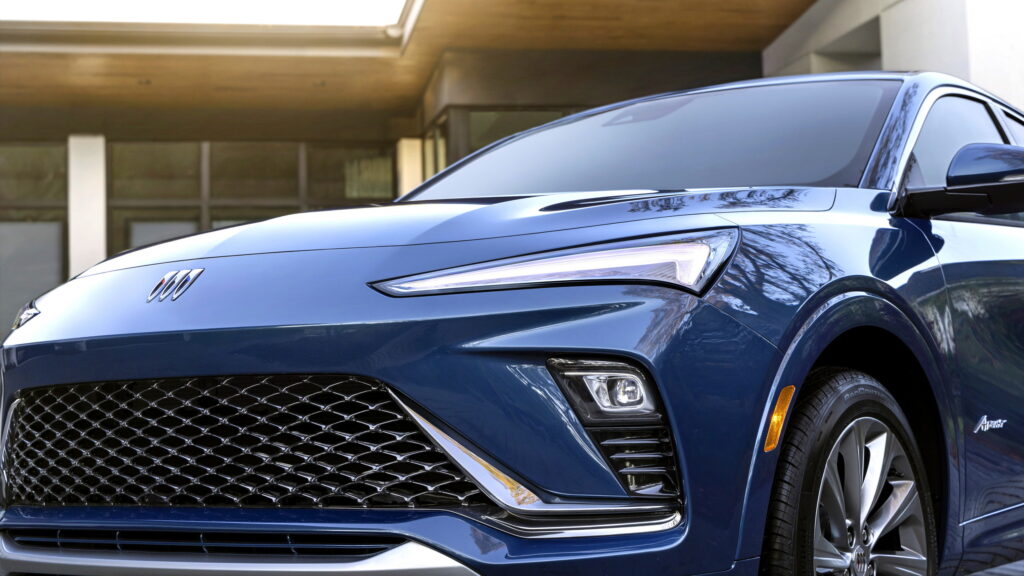
The company announced additional investments of $600 million in its Korean plant. This facility assembles the Chevrolet Trax and Trailblazer crossovers, as well as the Buick Envista and Encore GX. It is important to note that about 90% of the cars produced here are exported to the USA, where they are subject to a customs duty of 15%.
The new investments will allow GM to reach the plant’s full capacity, which is approximately 500 thousand cars per year. For comparison, last year about 460 thousand vehicles were produced at the concern’s Korean plants.
Tariff Economics and Production Costs
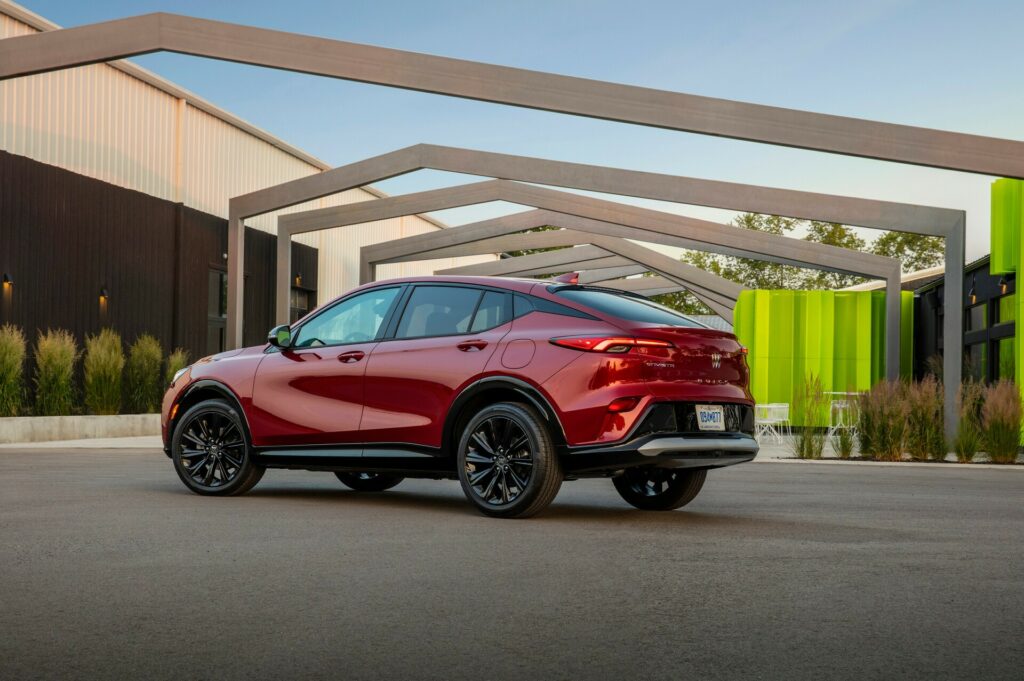
Experts believe that such a customs duty adds approximately $2,000 to the cost of each of these Buick and Chevrolet models. It would seem logical to move production to the USA to avoid tariffs. However, this would require billions in investments to create new supply chains, build production capacity, and train personnel.
S&P Global Mobility analyst Henner Lehne notes that building a new plant typically takes two to four years.
Reportedly, moving production to the USA could add another $3,000 in costs per car, making such a transition economically unprofitable for the company. Furthermore, there is political uncertainty: by 2028, Democrats, who may repeal the current tariffs, could return to power in the USA.
Labor Cost Factor
Another important aspect is the difference in wages. Most workers at an American plant would earn between $30 and $40 per hour, and with the presence of the UAW union, this figure could reach $60. In contrast, GM employees in South Korea likely earn between $20 and $30 per hour. Currently, GM has three plants in the country and a total of about 12 thousand employees.
The concern expects that this year the tariffs will cost it between $3 and $4 billion. The company’s Korean division has already felt the negative impact of the customs duties in 2025, reporting a 60% drop in operating profit and a 12% decrease in revenue.
GM’s decision to keep production in Asia, despite significant additional costs, vividly illustrates the complexity of global supply chains in the modern automotive business. Investments in expanding Korean capacity indicate a long-term strategy that relies on the stability and efficiency of established processes. This may also be a sign that the company views the current tariffs as a temporary phenomenon, whereas restructuring the entire production would be a much more painful and lengthy process. The situation demonstrates how global corporations weigh risks, political circumstances, and economic feasibility when making strategic decisions about production geography.