 by
by Nissan and Chery discuss joint production in Europe
After months of rumors, we are finally seeing Chinese automakers announce deals for European production. Stellantis and Dongfeng started this process last month, and now Nissan and Chery have confirmed high-level negotiations.
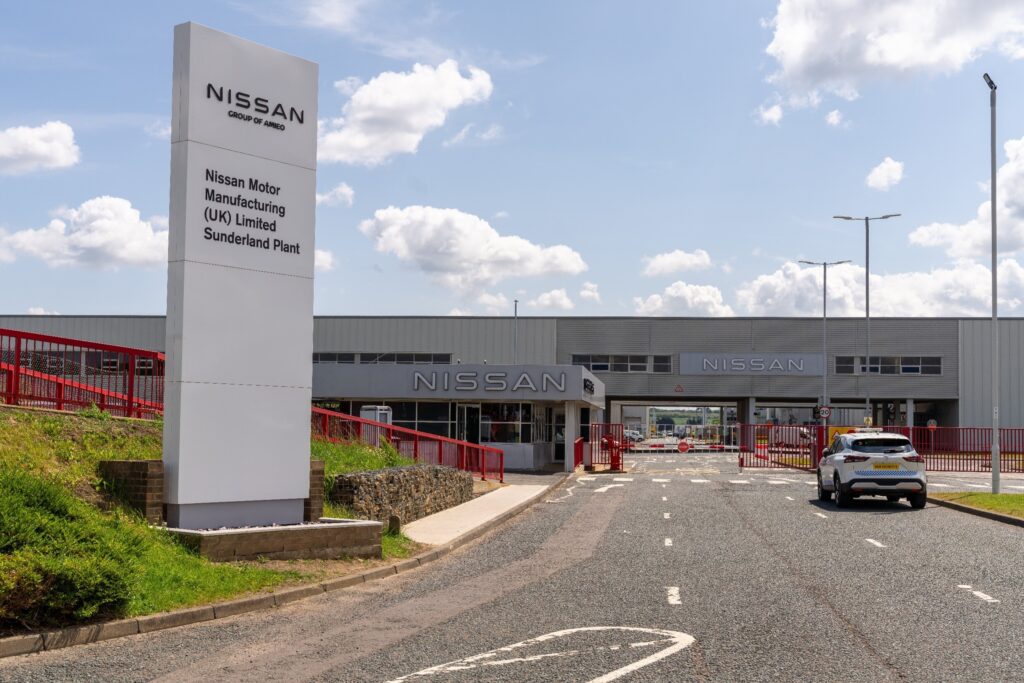
Details are still limited, but Nissan has reported signing a non-binding Memorandum of Understanding with Chery, which involves exploring the possibility of contract manufacturing at Nissan’s plant in Sunderland, UK. The Japanese automaker noted that the plant will remain under their ownership, and Chery vehicles will be built by Nissan employees.
We look forward to collaborating with Chery International UK in the coming months to finalize a position that will be optimal for both companies. This is an important step forward for our operations, said Massimiliano Messina of Nissan.
Sunderland Plant: New Opportunities
While both automakers are only exploring the idea, the Sunderland plant is not being used by Nissan at full capacity. The company recently announced plans to consolidate production on a second line. This freed up the first line, which is planned to be used for manufacturing Chery vehicles.
If negotiations are successful, Chery production could begin as early as the 2027 fiscal year. There is no information yet on which specific models will be produced on the British line, but Nissan suggests they will be passenger cars intended for the UK market.
Chinese Giant in the British Market
The Chinese company offers several brands in the UK, including Chery, Jaecoo, and Omoda. In April, these three brands together sold 10,052 vehicles, significantly more than the 4,079 cars sold by Nissan. This demonstrates the growing demand for Chinese cars in the region and the potential benefit of such a partnership for both sides.
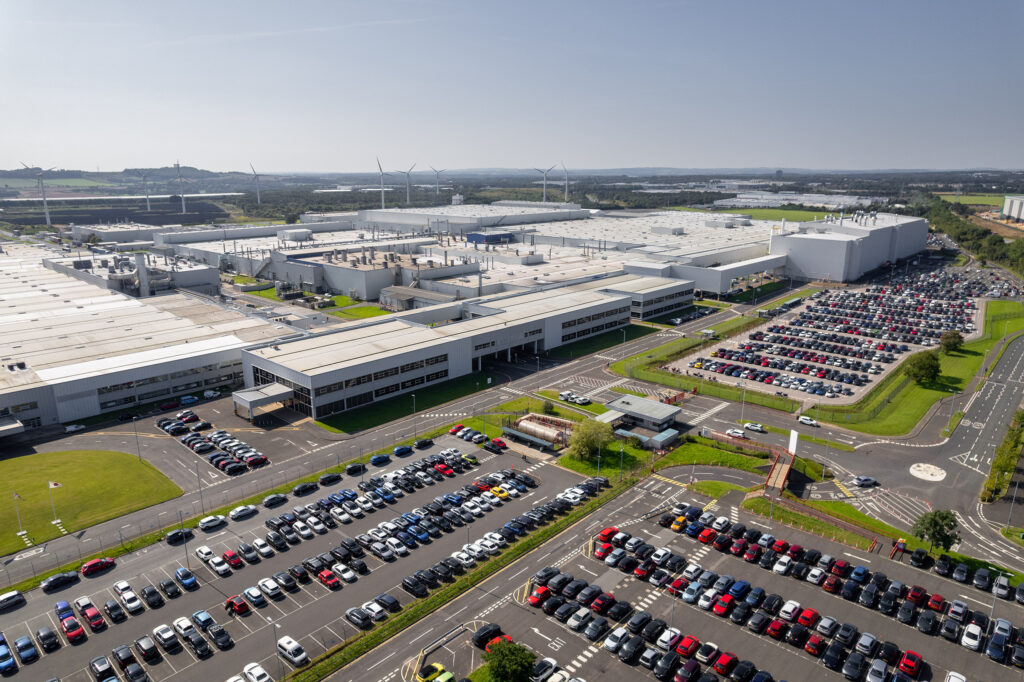
Such cooperation could be an important step for Nissan, which is facing excess production capacity in Europe, while Chery is experiencing rapid sales growth. Using the Sunderland plant will allow the Chinese manufacturer to avoid high import duties and logistics costs, and Nissan will receive additional revenue from contract manufacturing. It could also save jobs for the plant’s British workers, which is a positive signal for the local economy. At the same time, the success of the deal will depend on how quickly the parties can agree on technical and commercial details, as well as the market reaction to Chinese cars assembled in the UK.