 by
by Fines for passing school buses: 18,000 violations in one county
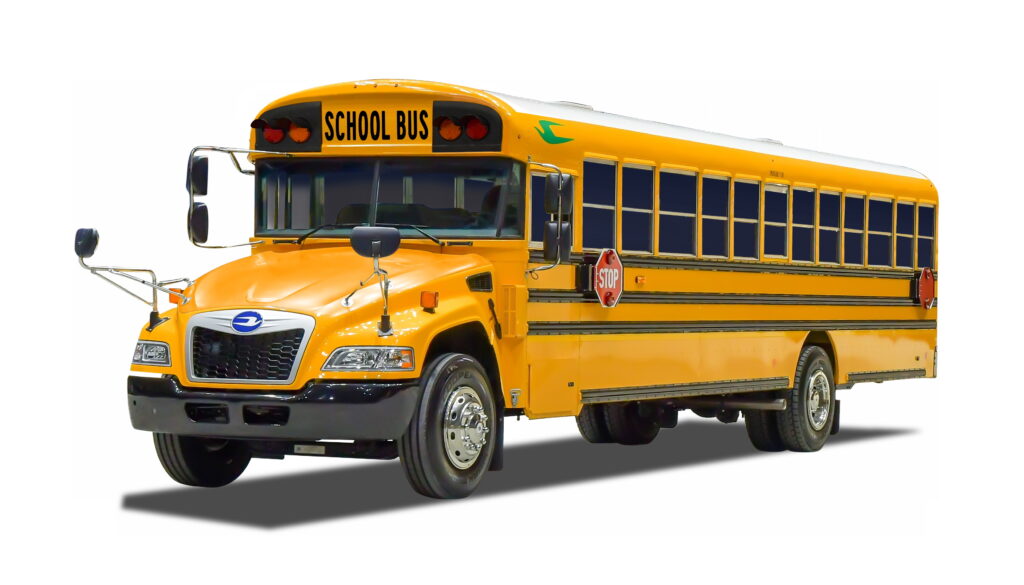
If your morning route takes you near a school bus, you might end up on surveillance cameras. In New York, 18,000 drivers received fines for illegally passing buses when they stopped with flashing stop signals and extended stop signs. Whether this improves safety, generates revenue, or changes driver behavior remains a topic of debate.
Scope of violations in Monroe County
During his State of the County address, Monroe County Executive Adam Bello announced that since cameras were installed on school buses as part of the School Bus Safety Program (late 2023), over 18,000 fines have been issued. The announcement was accompanied by video footage showing drivers illegally passing stopped buses. One driver even drove onto the sidewalk to bypass a bus with an extended stop sign.
Local officials have not hidden their outrage. Bello called these violations dangerous decisions that put children’s lives at risk. Residents interviewed by local TV station WROC largely support such enforcement measures.
“Nobody can be that busy! No way! No way!” said resident Fred Gaston. “They have no respect for human safety, for animals, for pets, for nothing. Not for kids in a school bus. Unbelievable.” Gaston added.
Numbers that make you think
It is easy to see why such violations spark widespread outrage. Few traffic offenses draw as much consensus as illegally passing a school bus. The sight of a driver pulling into oncoming traffic or, worse, onto a sidewalk to avoid a few seconds of waiting while children board or exit the bus makes most drivers cringe. At the same time, it is worth noting how safe modern school buses are even without cameras.
In January, a school transportation company provided data to the Department of Transportation’s Traffic Safety Division. It shows that an average of 218,000 people illegally pass a school bus every day. Despite this staggering figure, fewer than three people die annually as a result of such passing. Moreover, half of these deaths are adult pedestrians. These data have been verified from multiple sources and are reliable.
This does not mean such behavior is not dangerous. It is undoubtedly dangerous. The question is whether the primary benefit of camera systems is preventing deaths, reducing hazardous situations, changing driver behavior, or simply improving rule enforcement.
Safer roads or steady revenue?
Some school bus safety companies claim that 98-99% of drivers who receive a fine never reoffend. Other programs report a significant reduction in violations after camera installation, as local drivers learn they are being watched. One thing is certain: Monroe County is generating substantial revenue from this program.
At a minimum, 18,000 fines in Monroe County amount to approximately $4.5 million in assessed penalties. However, the county states that the collected fines help fund the BusPatrol camera program itself, making it difficult to determine how much revenue ultimately remains with local authorities and how much goes to equipment, administration, and contractor services. Now, we can only wait to see if the number of fines decreases over time.
While 18,000 fines look like a significant success in combating violations, it is important to consider that this number may indicate not only dangerous driver behavior but also the effectiveness of the monitoring system itself. On one hand, cameras do capture violations that previously went unnoticed, potentially enhancing child safety. On the other hand, the financial aspect of the program raises questions: is its primary goal truly safety, or is it becoming an additional revenue source for the local budget and contractor companies? The lack of transparency regarding the distribution of funds between the county and the program operator leaves room for doubt. Furthermore, statistics on extremely low mortality rates given such a huge number of violations suggest that the risk to children’s lives, while present, may not be as critical as often portrayed in the media. This does not diminish the danger of passing buses but adds nuance to the debate about the necessity and effectiveness of such large-scale and expensive programs.