 by
by Waymo recalls nearly 4,000 robotaxis due to navigation issues in road work zones
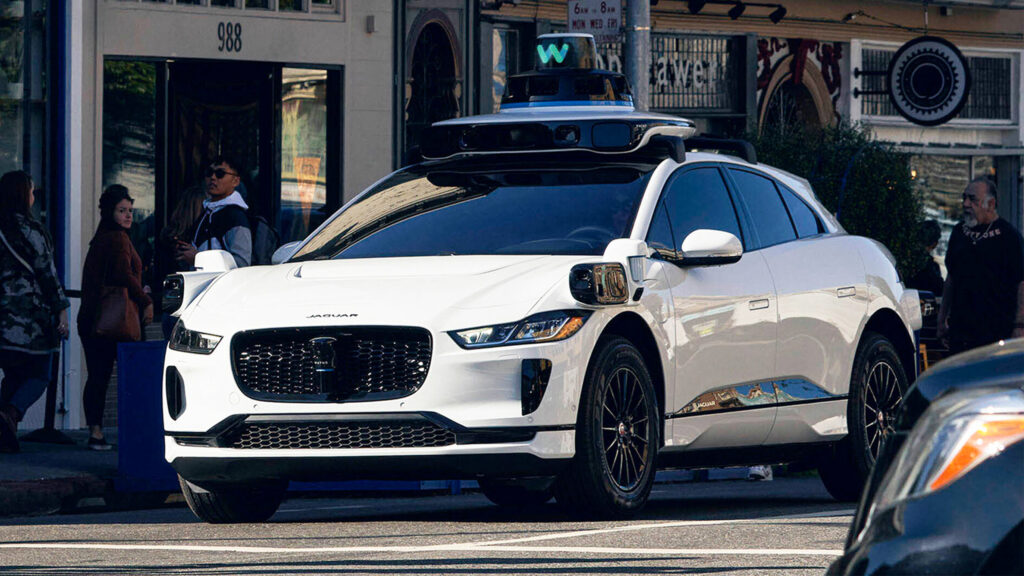
Despite all the promises of autonomous driving technology, it still makes mistakes that 99 percent of human drivers would not make. Fresh proof of this is the news that Waymo is recalling thousands of robotaxis after detecting a software glitch that could cause them to enter construction zones or collide with temporary traffic control devices.
The recall covers over 3,800 vehicles and concerns the 5th generation software of the company’s automated driving system (ADS), not any hardware defects. Certain road conditions and situations typical of road work zones may cause the driverless taxis to breach barriers, gates, chains, or other objects used to redirect traffic.
Related: A Waymo vehicle had 29 cameras, but the police still got nothing
Waymo’s solution is to release a software update designed to fix the issue across the entire fleet. Since the company owns all affected vehicles, none should be left unattended.
Another reminder of technology’s imperfection
However, this is another reminder that autonomous driving remains a work in progress, and also, perhaps, another reason to ponder why we are so determined to get rid of human taxi drivers, who, for the most part, have done a good job of avoiding crashing into construction zones for the last 100+ years.
This latest recall comes shortly after Waymo faced a completely different issue. Earlier this year, the company paused service in several cities after robotaxis repeatedly encountered flooded roads. One vehicle even spent nearly an hour stuck in floodwaters in Atlanta before conditions improved enough for a human to intervene.
Problems adapting to changing conditions
None of these issues have led to the catastrophic failures often predicted by critics, but they highlight a recurring problem. Autonomous systems generally perform excellently when conditions match their expectations. Problems begin when roads suddenly become different from what they were yesterday.
This is particularly relevant as the robotaxi race accelerates. While Waymo works through recalls and software fixes, competitors are pushing ahead. Uber recently announced a partnership with Stellantis and Wayve aimed at deploying large-scale autonomous taxi-hailing services using specialized vehicles.
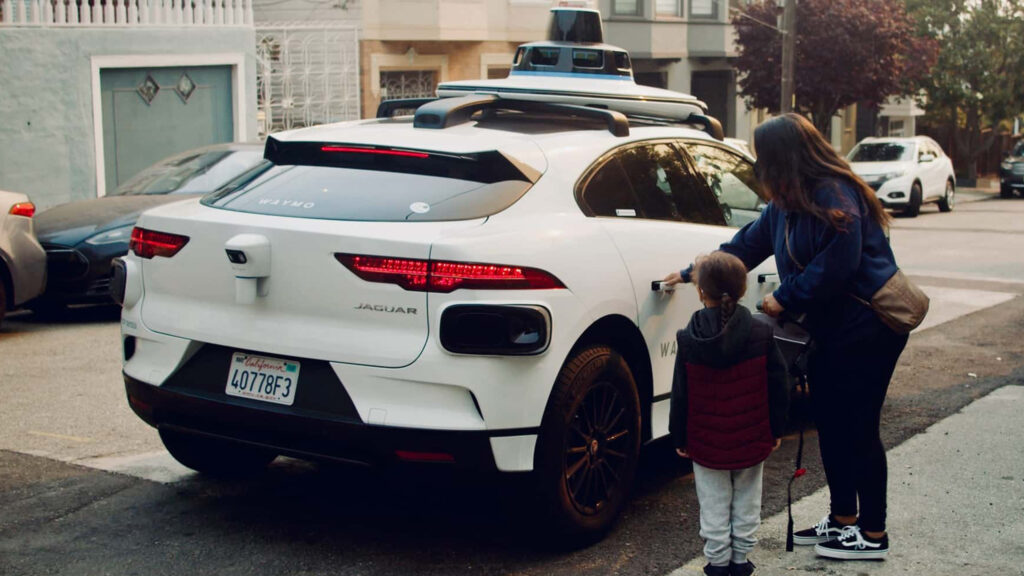
Waymo
These incidents highlight a fundamental challenge for the entire autonomous driving industry: teaching machines to cope with the unpredictability of the real world, where road conditions can change daily due to construction, weather, or accidents. While Waymo responds quickly to identified issues, each such case adds arguments for skeptics who believe fully autonomous vehicles are still far from mass adoption. At the same time, market competition is pushing companies to deploy services faster, which can lead to new unexpected situations that will need to be resolved in the field.