
 by
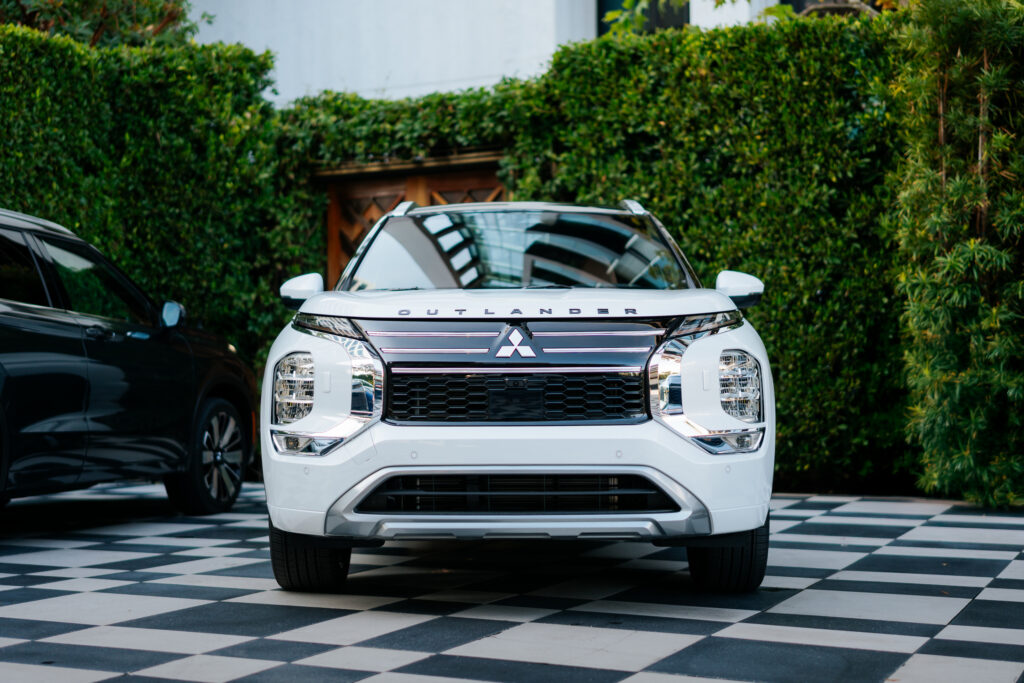
by Japanese automakers Honda, Nissan and Mitsubishi plan to join forces to standardize electronic control units (ECUs) in their next-generation models. This is a strategic move aimed at reducing costs amidst intense competition in the global automotive market.
Shared components for hybrids and electric vehicles
The new ECUs will include all necessary functions for autonomous driving and in-car infotainment systems in future vehicles, whose software will define their capabilities (SDV). These units will be used in both hybrid and fully electric models. While some details of the agreement still need to be finalized, a final decision could be made within a few weeks.
According to Nikkei Asia, the framework for development and procurement still needs to be agreed upon. The ultimate goal is to expand the procurement of shared parts, which will help Honda, Nissan and Mitsubishi reduce costs and better compete with Chinese brands and Tesla.
Software standardization
Shared ECUs may only be the beginning. It is reported that Honda and Nissan are also considering a transition to unified in-car software and operating systems for their vehicles in the future.
Cooperation after failed merger
About 18 months ago, Honda and Nissan were close to a merger, but that deal unexpectedly fell through when it seemed almost finalized. Despite this, the two automakers have continued to collaborate on several projects.
Over the past six months, they have been exploring the possibility of creating a joint manufacturing partnership in North America, although the deal is not yet final. Such a partnership could involve Nissan supplying pickup trucks for Honda and Mitsubishi, as well as the joint development of large vehicles in the future.
According to a March report, Nissan will produce pickup trucks for Honda at its plant in Canton, which has been operating below full capacity after Nissan abandoned plans to build two electric sedans there last year.
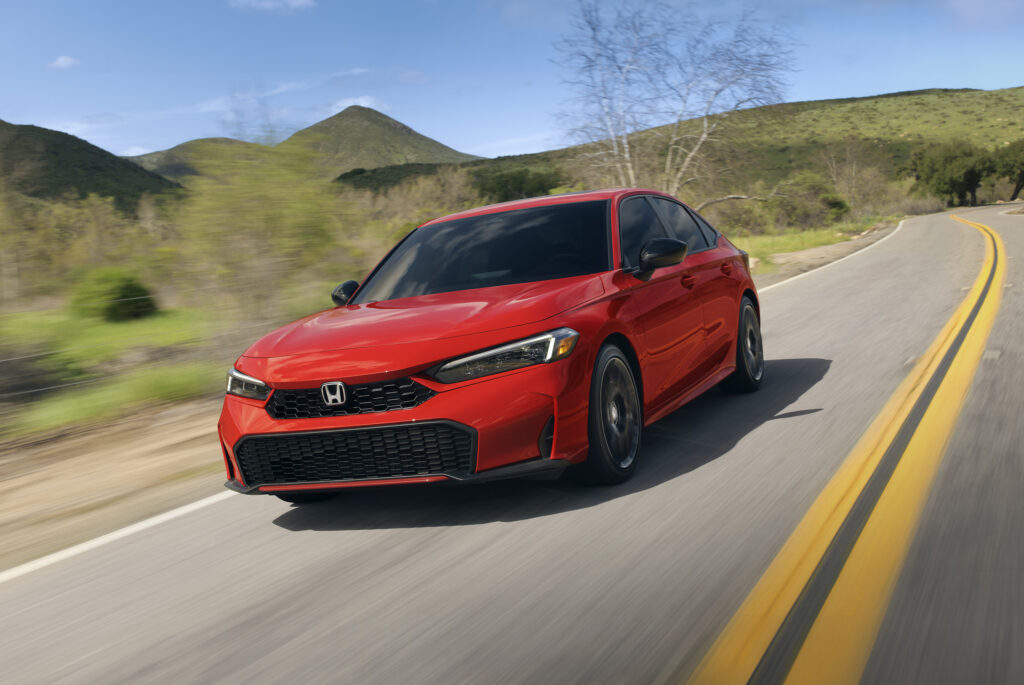
This collaboration demonstrates that even after a failed merger attempt, Japanese automakers understand the need to pool resources to survive in the era of electrification and software-defined vehicles. Standardizing key components like ECUs and joint manufacturing could be decisive factors in reducing costs and accelerating the time-to-market for new models. This is especially important against the backdrop of aggressive expansion by Chinese brands, which offer technologically rich vehicles at competitive prices. Further integration of software platforms could create a powerful ecosystem capable of competing with EV market leaders like Tesla and securing a strong position for the Japanese auto industry in the future.