 by
by Hyundai aims to make its electric cars even more exciting in daily use
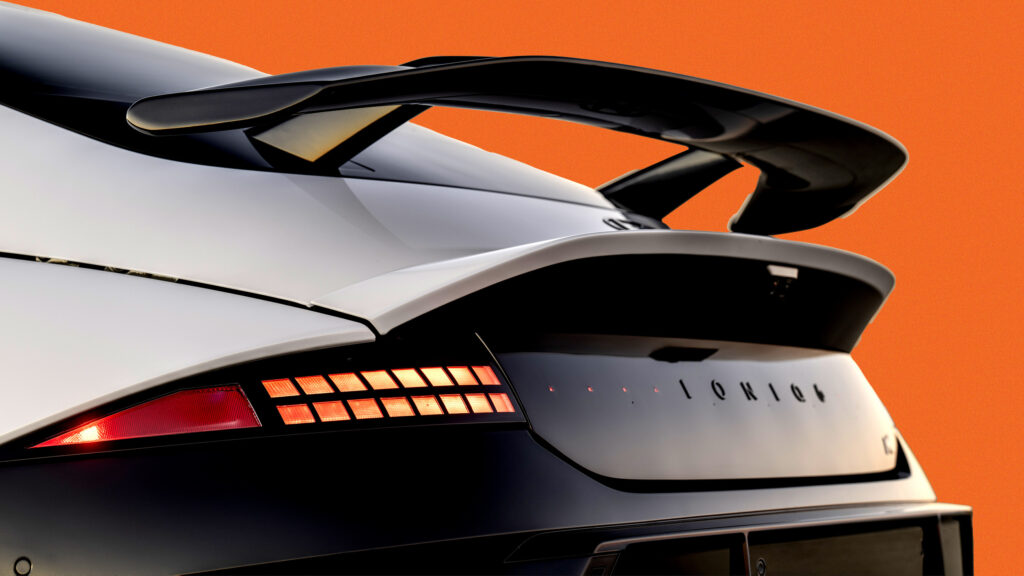
A few years ago, when there were serious doubts whether any automaker could create an electric car focused on driving pleasure, Hyundai introduced the Ioniq 5 N. This model received sound accompaniment inspired by internal combustion engines and simulated gear shifting. It marked the beginning of a trend later adopted by Porsche, Mercedes-AMG, and BMW M. What initially seemed like just a gimmick turned out to be a successful template.
As we recently discovered during testing of the Ioniq 6, these intriguing features have become even more realistic, and Hyundai believes it can refine them further. According to Hyundai’s global head of research and development, Manfred Harrer, the company still considers itself a leader in this technology.
Review: More Porsche than Hyundai, the Ioniq 6 N is a masterpiece
“In the next generation of these cars, I want to make it even more realistic,” he told Autocar. “I want to improve it further.” According to Harrer, they can develop crackling exhaust sounds and add “vibration in the car,” confident that this can take the interaction to the “next level.”
“There are so many ideas on how to push this further, but it’s all about the experience,” he added. “Many say it’s fake, but people like it, so there’s beauty in it — and why not play with it? We’re not the serious guys from Porsche. We’re about fun behind the wheel. We made a big step and will refine it over the years — and the next platform will get it. Demo versions are already working.”
New platform for electric vehicles on the way
Although Hyundai’s gasoline N-models still have potential (the next-generation i20 N will be a 1.6-liter turbo hybrid, and the next i30 N will likely get a 2.5-liter turbo hybrid), the new IMA architecture will serve as the foundation for a new lineup of electric vehicles and their N versions.
Hyundai has been developing the Integrated Modular Architecture (IMA) for several years and may launch it in 2028 in the second generation of the Ioniq 5. It will retain 800-volt technology, but charging time, efficiency, and thermal management will be improved. Harrer called it a “huge evolution” rather than a “revolution,” unlike the current E-GMP architecture.
Interestingly, Hyundai is not simply copying the feel of gasoline cars but is trying to create a new, emotional driving experience that goes beyond just sound. Imitation of vibrations and “exhaust” could become a key element distinguishing N versions of electric cars from regular ones. At the same time, the company does not forget practicality: the new IMA platform is expected to address issues with efficiency and charging, which are critical for the mass market. Thus, Hyundai is striving to combine emotion and technology to make electric cars not just eco-friendly transport, but a true joy for the driver.