 by
by Fiat launches special version of Pandina with revived Autobianchi brand
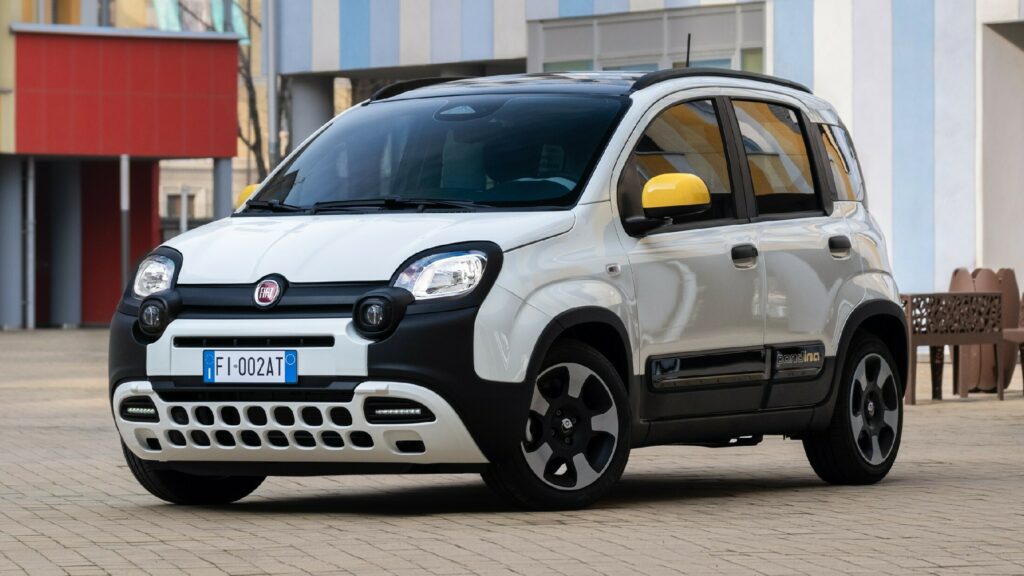
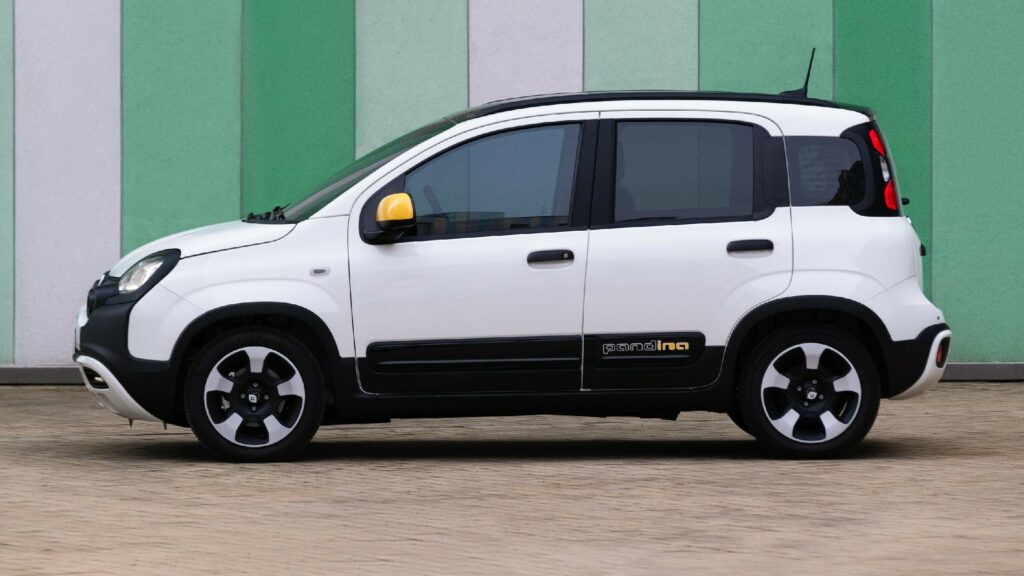
Recently, Stellantis hinted at a fully electric successor to the Fiat Pandina, which will have a toy-like style and a central driving position. However, the current model still has a few years before production ends at the end of the decade, and Fiat plans to see it off with a special version that will bear a name from the past.
More: This Italian sports car brings back a famous 1960s concept with pop-up headlights
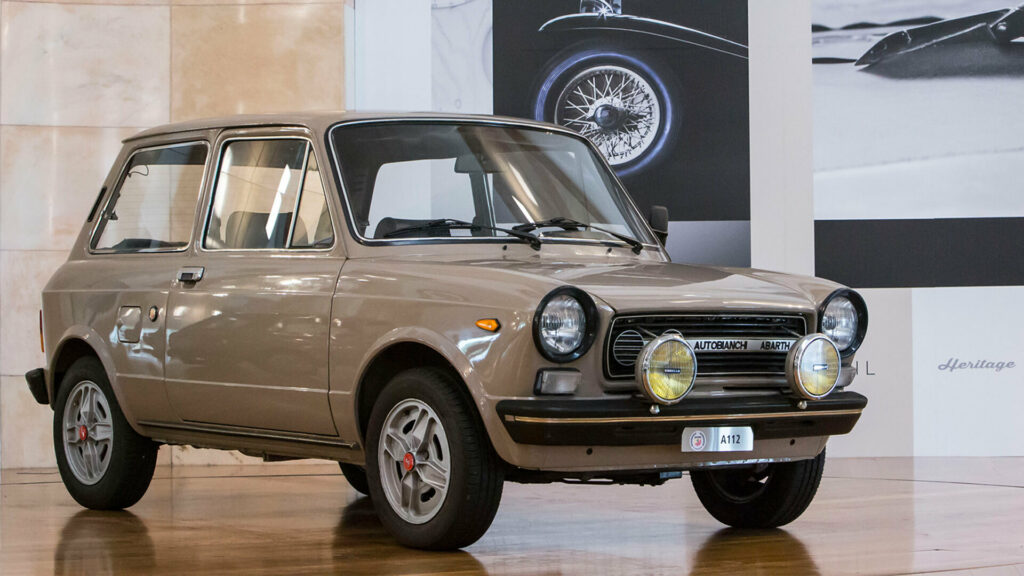
That name is Autobianchi, a brand founded in 1955 as a joint venture between Bianchi, Pirelli, and Fiat. The company built its reputation on small cars, and the A112 became its defining hit. The small hatchback appeared in 1969 on the front-wheel-drive platform of the Fiat 128, and over 1.2 million units rolled off the assembly line before production ended in 1986. The brand itself disappeared in 1995, although Stellantis still owns the rights to it.
A familiar face with an old badge
Instead of reviving Autobianchi as a separate brand, Stellantis has decided to attach the badge to the oldest car in the Fiat lineup. Spy photographers from the Italian publication Quattroruote caught a heavily camouflaged Pandina prototype with the inscription Tributo Autobianchi on the rear doors, revealing plans in advance.
This unexpected branding points to a new special version built on nostalgia. The model appears to be based on the off-road Pandina Cross, with plenty of plastic body cladding.
More: New Fiat Grizzly SUV hunts the Dacia Bigster, and it didn’t come alone
Exterior modifications may include new elements on the front bumper, different alloy wheels, and a wine beige-brown shade reminiscent of the old Autobianchi color palette. The interior will also likely receive special attention, possibly with retro elements and new materials.
The Tributo Autobianchi version will most likely retain the chassis of the standard Pandina, which is slowly approaching the end of its long lifecycle. The car has remained almost unchanged since the debut of the third-generation Panda in 2011. Today, it is available exclusively with a mild-hybrid 1.0-liter three-cylinder Firefly engine producing 69 hp (52 kW / 70 PS). Power is sent to the front wheels via a six-speed manual gearbox.
Why revive a dead brand?
So, why revive a badge that has been dead for over three decades on a 15-year-old platform? The answer may lie in European trademark regulations. According to current rules, an automaker that does not actively use a registered trademark on a production car for a certain period of time risks losing all legal rights to that name. By releasing the Tributo Autobianchi version based on the timeless Pandina, Stellantis effectively resets the timer, keeping a piece of its Italian heritage alive and under its control.
More: Will Stellantis keep Autobianchi and Innocenti? It all depends on the law
A few years ago, it was reported that the Italian government was considering offering Stellantis’s “dormant” brands, Autobianchi and Innocenti, to Chinese automakers. With Fiat retaining the rights to the name, this scenario now seems less likely, unless Stellantis decides to place these badges on a future city electric vehicle from Leapmotor.
Stellantis
Thus, the release of the Tributo Autobianchi is not just a tribute to the past, but also a strategic move to protect intellectual property. At a time when Chinese manufacturers are actively seeking opportunities to enter the European market, maintaining control over historic brands becomes an important asset. This allows Stellantis not only to avoid legal risks, but also potentially to use these names in the future for new models, particularly electric ones, which could be an interesting marketing move.