 by
by Toyota admits the new RAV4 went overboard with touchscreens
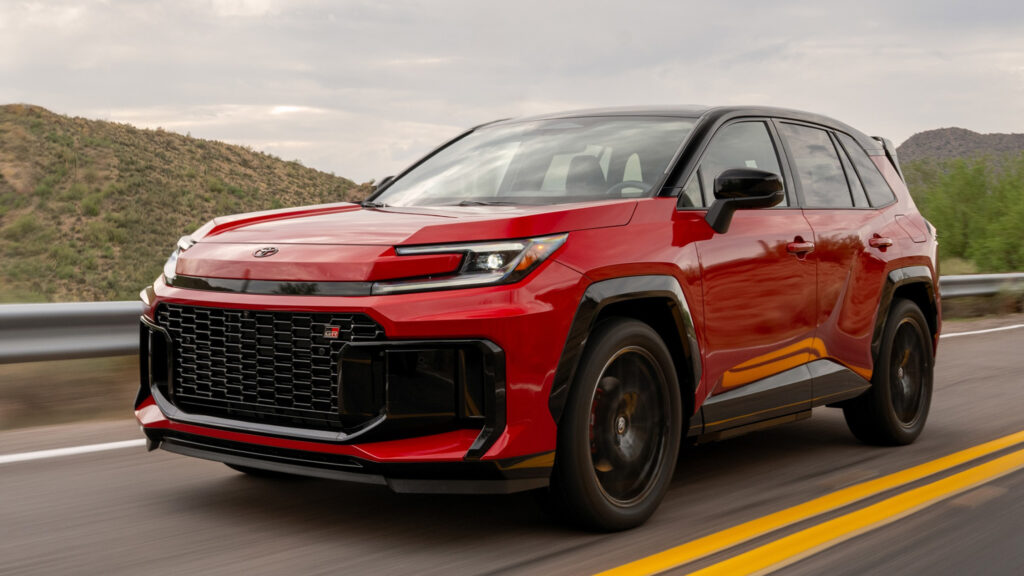
For the last 15 years, automakers have been replacing physical buttons with touchscreens, often claiming this is what customers want. Toyota has just admitted that the new RAV4 might have taken this idea too far, and does not rule out a partial return to physical controls if owners are unhappy.
Minimum physical buttons in the new RAV4
The updated RAV4 still has a few physical controls, including a volume knob, air temperature buttons, driving mode shortcuts, and some other frequently used functions. However, several functions that previously had dedicated buttons are now located in the central touchscreen, including fan speed, air distribution, and seat heating settings.
“I see that there are too many things happening on screens now,” said RAV4 Chief Engineer Yoshinori Futonagane. “What is the minimum number of physical switches we can keep? Because we tried to move as much as possible to the screen.”
Listening to feedback
However, Toyota is not entirely sure it has found the right balance. Futonagane revealed that the company is closely monitoring owner feedback and evaluating whether to bring some controls back as physical buttons in future updates.
“If needed, yes, we will do it,” he said when asked if Toyota is considering returning more switches.
Even China agrees
Perhaps the most surprising revelation is the situation in China. Common knowledge suggests that Chinese buyers are among the strongest advocates of large touchscreen interfaces, helping to inspire many of the screen-heavy interiors now appearing worldwide. However, according to Futonagane, customer preferences are changing.
“They did not want that,” he said of the reaction from Chinese drivers to Toyota vehicles with screen-centric functionality. “They wanted knobs and switches,” he explained, adding that Toyota has already begun returning to physical controls in some other models.
Return to buttons
Although climate control functions were moved to the screen of the latest RAV4, the driving mode selection buttons remained physical. Futonagane explained that Toyota wants owners to use the different driving settings and enjoy the SUV driving experience. However, later in the discussion, he admitted he sometimes wonders if customers even use these modes often. We suspect not.
The screens versus buttons debate will not subside anytime soon. Some automakers continue to insist that infotainment touchscreens are a safer solution, while others, like VW, are quietly reintroducing physical controls. Toyota’s willingness to reconsider its decision suggests the industry may not have found the final answer yet.
This situation shows that even in a technology-oriented world, automakers are beginning to realize the importance of tactile feedback and ease of use. While touchscreens offer flexibility and the potential for updates, they can distract the driver from the road. Returning to physical buttons for key functions, such as climate control, could be a compromise that combines modern technology with safety and convenience. It also serves as a reminder that consumer preferences do not always align with industry trends, and even giants like Toyota have to listen to their customers.