 by
by Ford CEO: Plants in China and Mexico set the quality standard
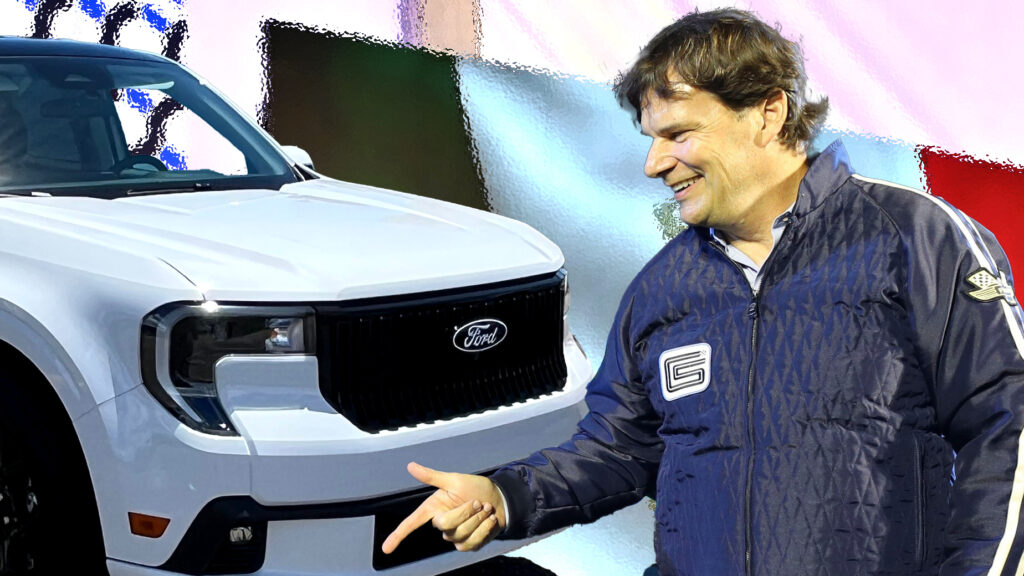
Ford has been trying for the past few years to shed its terrible reputation for recalls and quality issues. Now CEO Jim Farley says some of the company’s best achievements are actually happening not in America, but Ford’s plants in Mexico and China are setting the standard that everyone else strives to meet.
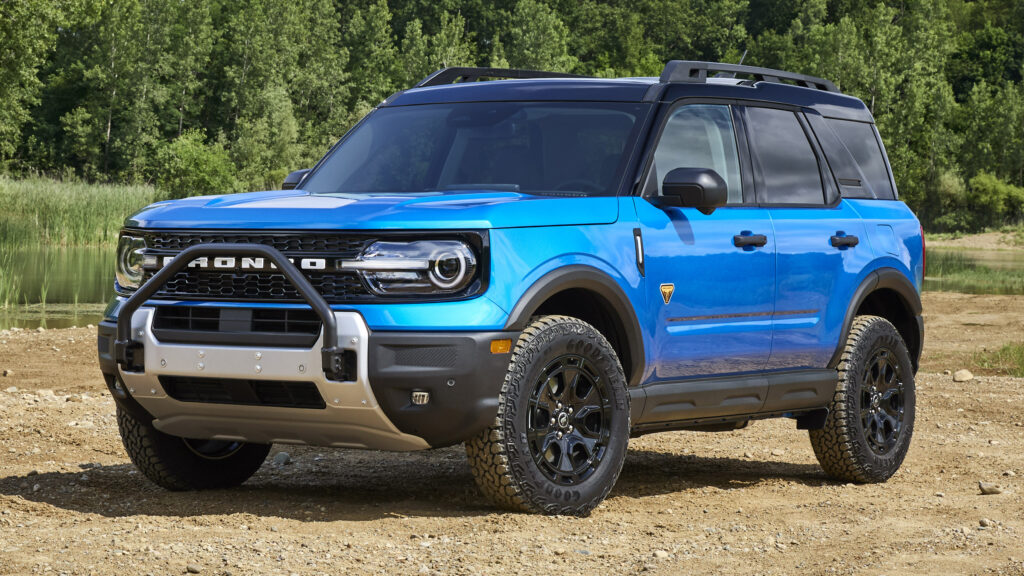
Farley told reporters that Ford’s operations south of the border and in China, where models like the Maverick and Bronco Sport are produced, consistently outperform the rest of the company’s manufacturing network in adhering to production processes and solving problems on the plant floor.
Related: Ford transformed from “recall king” to J.D. Power’s top mass-market brand in initial quality
“Consistently, our plants in China and Mexico are the most disciplined in following processes and have the deepest problem-solving skills,” Farley is quoted as saying by The Detroit News.
He added that different countries have different work cultures, and this can both help and hinder the achievement of the company’s quality goals.
U.S. plants are catching up

This may sound like criticism of Ford’s U.S. plants, but the overall picture is more nuanced. Farley also noted that American plants, represented by the UAW union, have improved rapidly. This is confirmed by Ford’s unexpected victory in this year’s J.D. Power Initial Quality Study, although just a few years ago the company was far down the rankings.
Ford has transformed from a symbol of recalls to a leader among mass-market brands in initial quality. Farley described this as the result of a four-year effort to rebuild the company’s production culture. Nevertheless, the automaker still announces recalls — and not all of them for older cars — at a pace that reminds everyone that much work remains ahead.
Toyota and Nissan share this view
Farley’s comments also echo another recent quality story that does not show American auto workers in the best light. Toyota and Nissan have warned Japanese buyers that some imported vehicles made in the U.S. may have paint defects, uneven body panel gaps, or minor cosmetic flaws that do not meet typical domestic expectations.
Ford believes technology will play an even greater role in achieving quality in the future. Farley said that workers in Mexico and China are much more active in using artificial intelligence tools than their North American counterparts, though he insists that software alone is not enough.
“There is no substitute” for skilled workers, Farley said.
AI can help, but he believes long-term quality still depends on experienced people noticing problems before customers see them.
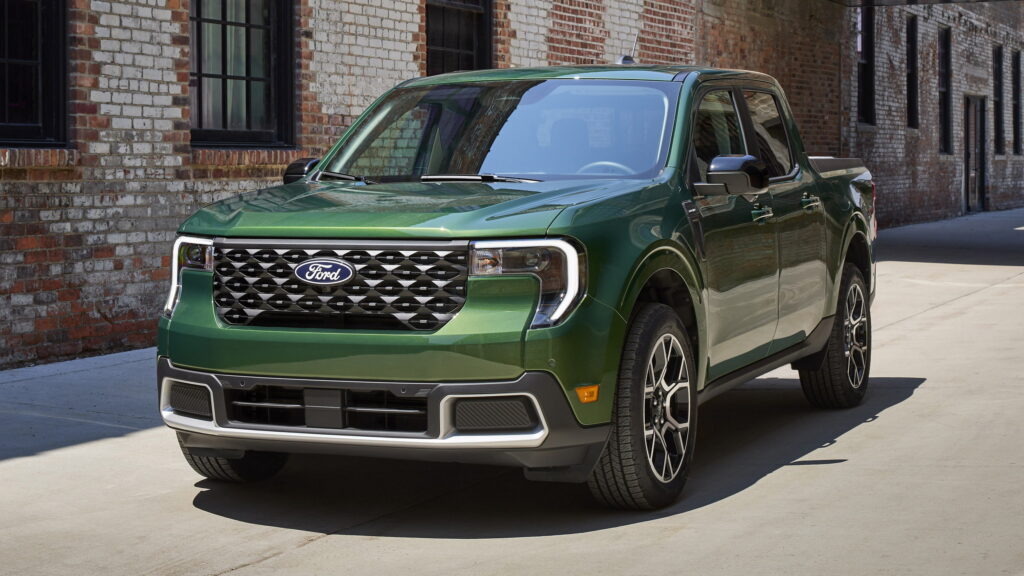
Ford
Ford management’s acknowledgment that the highest quality standards are being set outside the U.S. is indicative of the global automotive industry. It highlights that manufacturing success depends not only on technology but also on corporate culture, discipline, and the willingness of workers to adopt new methods, including artificial intelligence. Although American plants are showing progress, challenges remain, and the experience of competitors such as Toyota and Nissan suggests that this is a systemic problem requiring a comprehensive approach, not just technical solutions.