 by
by In just a few years, Chinese automakers have captured a significant share of the South African market and are actively repeating this success in many international markets. This expansion has forced traditional brands to rethink the positioning of their own models, and Toyota is no exception.
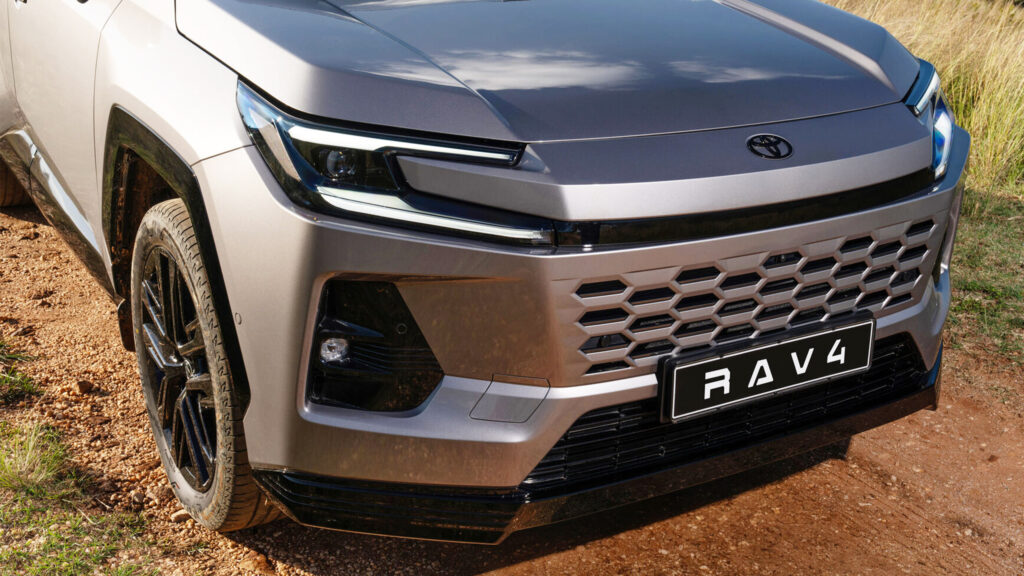
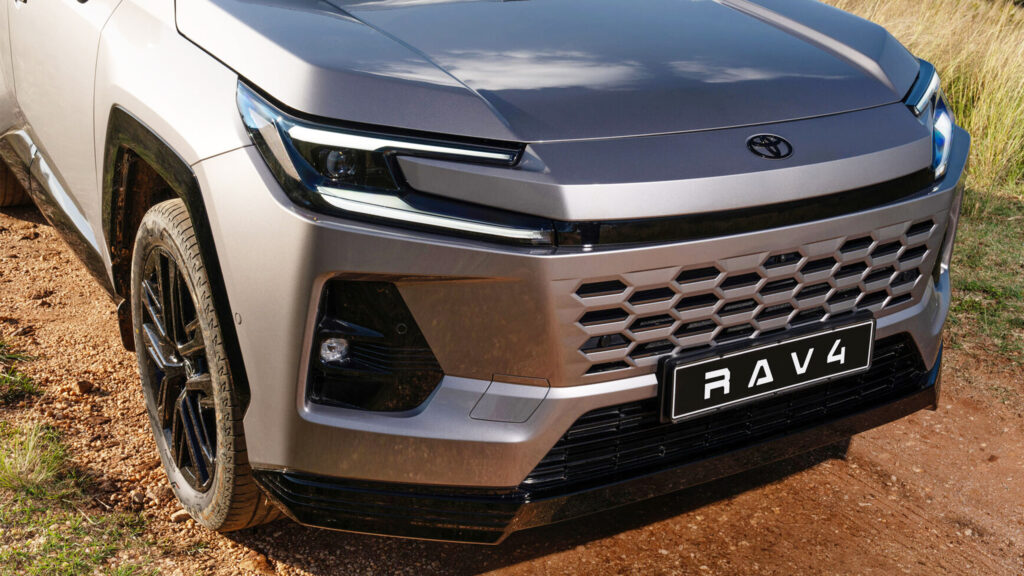
Toyota still remains the largest automaker in the world. However, during a recent interview in South Africa, the communications head of the company’s local office publicly admitted: new Chinese players have forced them to move the new RAV4 into a more premium segment, because Toyota can no longer compete in the lower price categories.
“We cannot compete directly with new Chinese brands in the entry-level price category,” Rian Esterhuizen, senior manager for public relations at Toyota South Africa Motors, told Biz Community. “They have transformed this market, reshaped it, directing customers to the lower and middle levels of the segment or redirecting buyers who previously chose used cars to purchase new ones.”
How Toyota responded
This is one of the few cases where a Toyota representative openly admitted how seriously Chinese brands, including BYD, Chery, and Geely, have influenced the company’s strategy.
The new RAV4 now starts at 770,500 rand (approximately $47,100) and reaches 1,043,900 rand (about $63,800). That is almost $3,500 more expensive than its predecessor. Such a move may somewhat reduce sales volumes, but it will allow Toyota to earn more profit from each car.
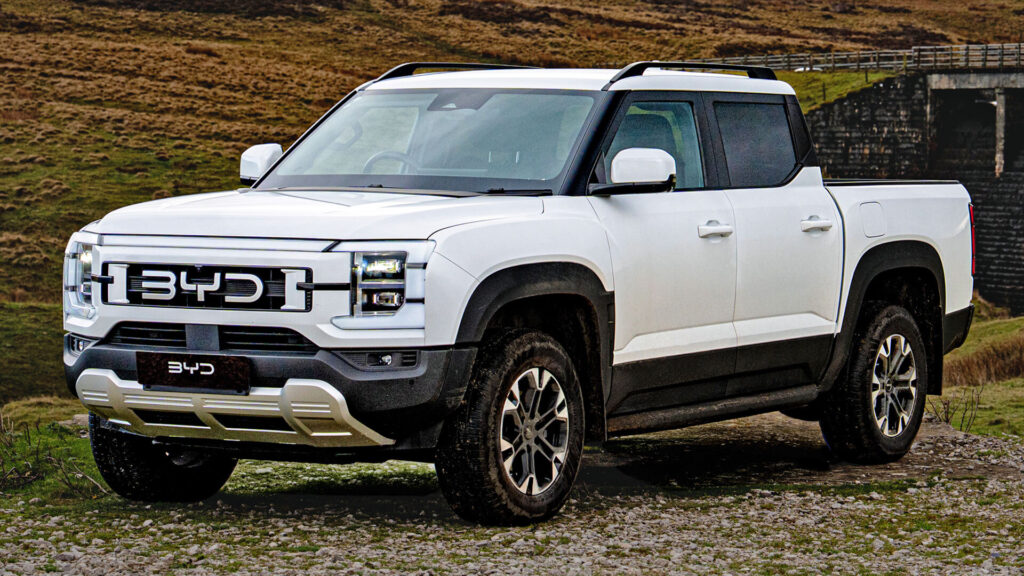
Chinese pressure continues to grow
As in many other countries, Chinese cars have flooded South African roads in recent years, and the pace of this process is not slowing down. They now account for more than 19 percent of new passenger and light commercial vehicle sales. This share is likely to keep growing, with the arrival of new brands and the expansion of model lineups from already established manufacturers.
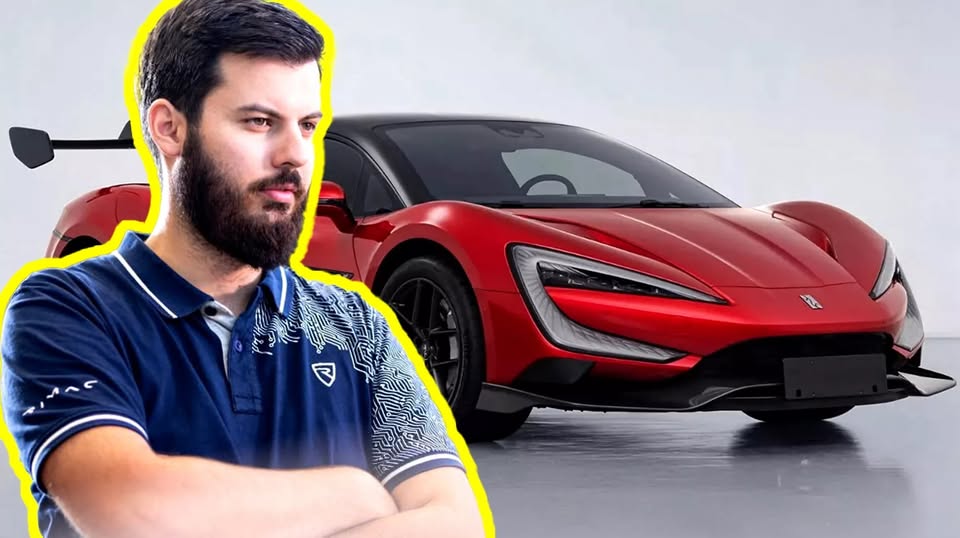
If Toyota cannot shorten development times for new models and lower prices, its largest Chinese competitor has every chance to cause serious damage. BYD, the largest among Chinese automakers, does not hide its ambitions. In June, the company’s chairman Wang Chuanfu made a bold statement that within five years BYD will surpass Toyota in sales volume. Last year, BYD sold 4.6 million cars versus 11.21 million sold by the Toyota group, including Lexus and Daihatsu. Closing such a gap in five years is an extremely ambitious task.
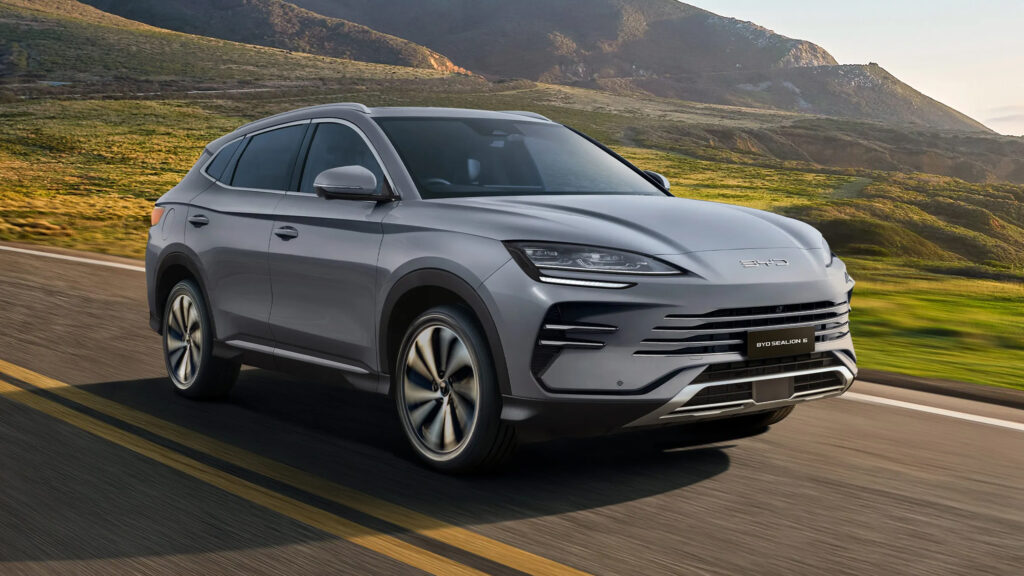
Where the market is heading
A similar trend is seen not only in South Africa. Chinese brands are actively expanding their presence in Europe, Latin America, and Asia, offering rich equipment at a moderate price. For consumers, this means a wider choice, and for traditional manufacturers, it means the need to find new niches where they can offer unique value: proven reliability, a developed service network, hybrid technology.
At the same time, Chinese companies are rapidly improving quality and strengthening their reputation, so the premium segment is gradually ceasing to be a safe haven for Japanese giants. The market will increasingly depend on the speed of adaptation, innovation, and the ability to strike a balance between price and technology. Thus, the future of automakers will be determined not by brand size, but by the ability to anticipate changes and respond quickly to them.