 by
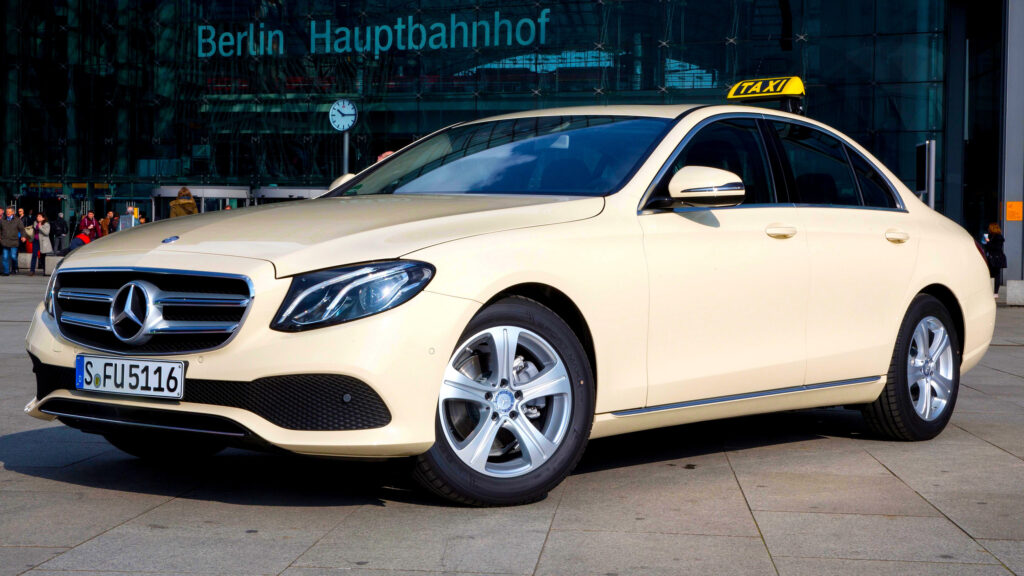
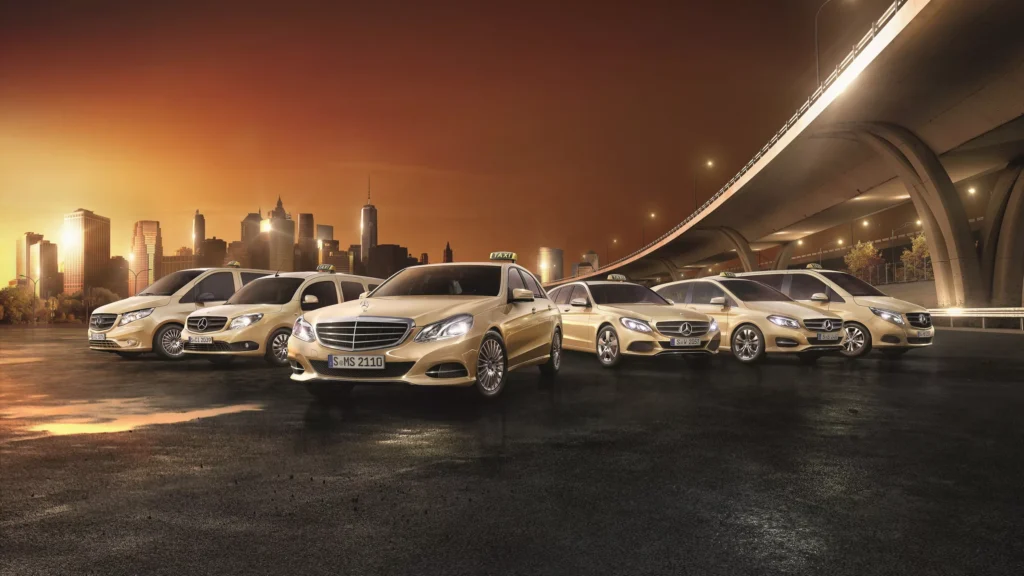
by Mercedes-Benz once owned Germany’s taxi trade, serving as the default supplier for the country’s nearly 17,000 operators before walking away over thin margins. Now it has changed its mind again, reopening the door to the cab business as it rethinks strategy and tries to slow BYD’s push into the sector.
Read: Mercedes Taxi Sales Collapse By 71%, But The Company Doesn’t Really Care
Through the first half of 2025, Mercedes-Benz models accounted for just eight percent of newly registered taxis in the country, down significantly from the 45 percent in 2022. Mercedes-Benz’s renewed focus on cabs has resulted in its vehicles accounting for 18 percent of new taxi registrations over the same period in 2026.

Between 4,000 and 6,000 new taxis are registered annually in Germany and for years, the Mercedes-Benz E-Class has been the go-to choice for many. Last year, just 72 new E-Class taxis were registered, but from January to June this year, that number had climbed to 126, Handelsblatt reports.
Discounts Do The Heavy Lifting
This rise comes in part thanks to Mercedes-Benz offering a 24 percent discount to taxi operators for two popular E-Class diesel models, cutting their prices to under €40,000 ($46,300). This offer was initially going to expire in July but has been extended until the end of the year. The Vito is also available with an 18 percent discount and a €6,000 ($6,900) rebate, while the V-Class is offered with a 3 percent discount and a €5,000 ($5,700) one-time payment.
The V-Class is on its way out, replaced by the electric VLE, which Mercedes also wants in taxi fleets, according to Handelsblatt’s sources. That plan has a snag, though. Specified with the roomiest configuration, the VLE can tip past 3.5 tons (7,716 lbs), which puts it outside what a standard Class B license allows.
According to automotive analyst Frank Schwope, “giving up on taxis was a fatal mistake by [Mercedes CEO] Ola Källenius,” adding, “a taxi fleet sends a very strong signal.” Schwope argues that every fare doubles as a test drive, exposing passengers to models they might otherwise never consider.
BYD Moves In
As Mercedes-Benz’s interest in the taxi sector has changed, BYD has stepped up. Carsten Schopf, the company’s local manager and head of business customer sales, says “taxis are an important part of our growth strategy,” and expects roughly 500 taxi sales by year-end.
That is a stretch, given BYD registered all of 10 new taxis in Germany during the first half, though Schopf says orders have already passed 100 units. The goal for 2027 is four digits. “Next year, the number in Germany absolutely has to be in the four figures,” he said.
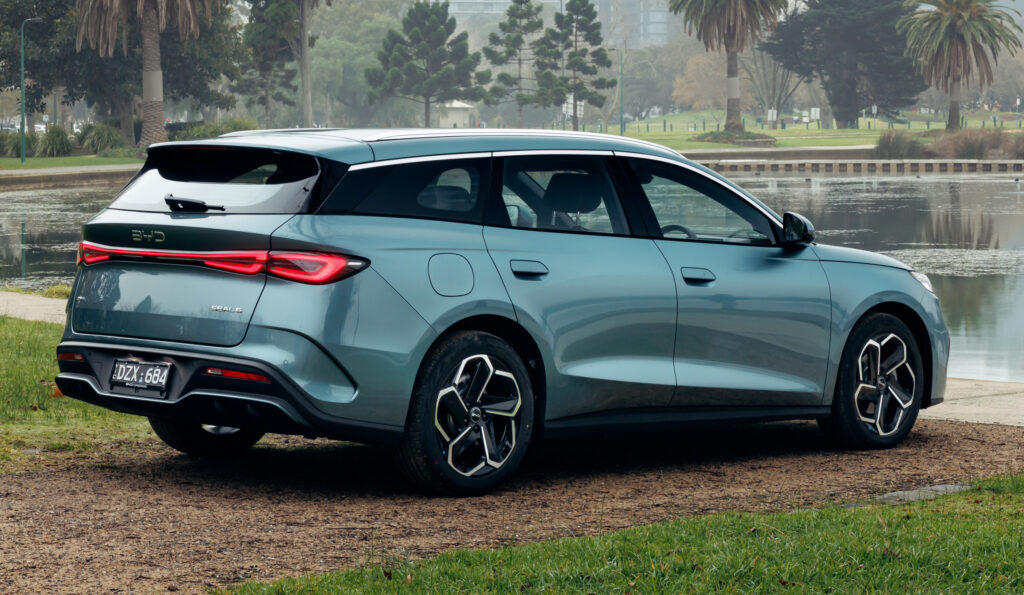
The BYD Seal 6 wagon is available to operators for less than €30,000 ($34,700), or 37 percent off the car’s standard list price. The Seal 6 is a hybrid, but BYD also plans to put the fully electric Atto 3 and Sealion 7 in front of taxi buyers. Its case against Mercedes-Benz and segment leader VW is helped by a growing list of cities, Hamburg among them, that now license only zero-emission taxis.
BYD has also hired away taxi specialists from rival firms in Germany and stepped up its advertising in the trade press. The establishment is still firmly in place, with Volkswagen, Toyota, and Mercedes-Benz together taking 90 percent of new taxi registrations. VW alone holds more than half the market, and its discontinued Touran has been the country’s most frequently registered taxi model for years.