 by
by Electric Defender Delayed
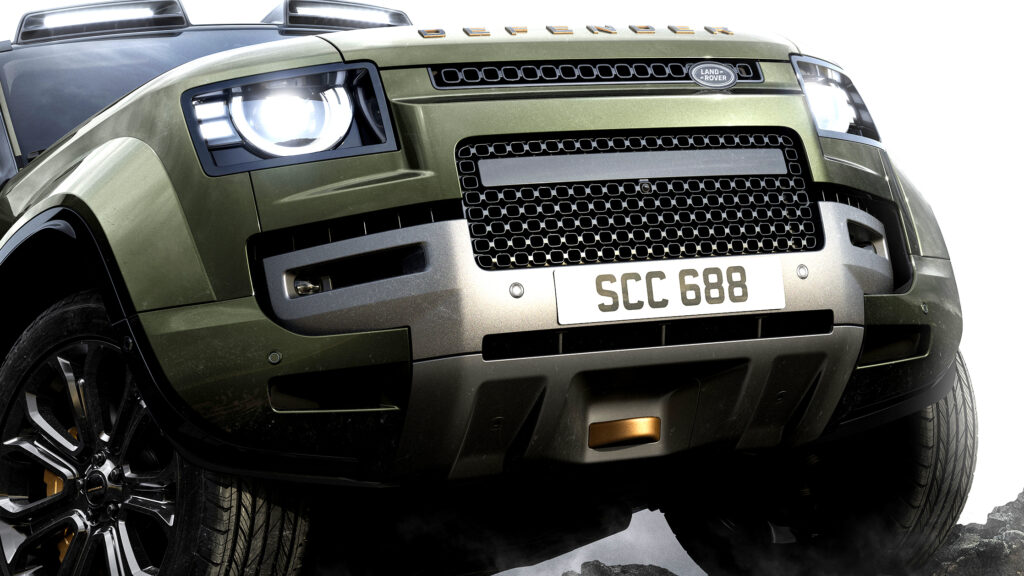
In the next few years, Land Rover planned to launch a new generation of the Defender, alongside which a fully electric version was supposed to debut. However, according to new reports, these plans are being pushed back by two years. At the same time, the delay will not affect the development of the compact “baby” Defender, which the market has been waiting for for a long time.
Jaguar Land Rover chief PB Balaji has come under pressure due to the need to cut costs, especially given the tariffs imposed by the Trump administration. The company also appears quite satisfied with the success of the current Defender and does not seem to see an urgent need to rush its replacement.
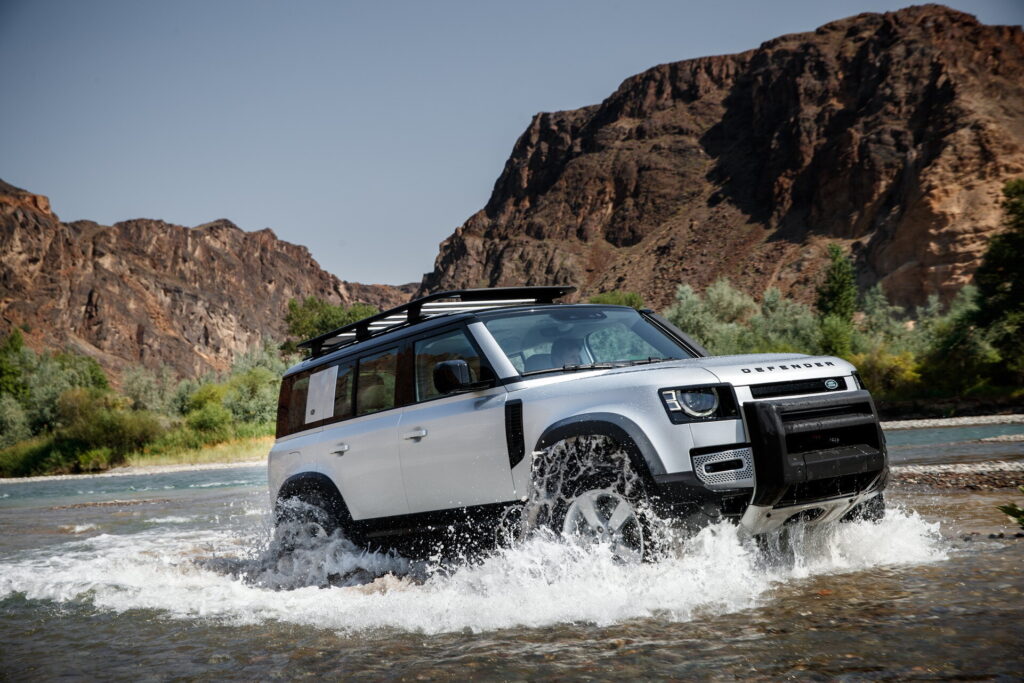
The current Defender, introduced in 2019, remains fairly fresh, but JLR has previously stated that its architecture does not support a fully electric version. Therefore, a new model will be needed to create an EV. The Times reports that the new Defender will not arrive until the 2030s, although the exact date is not yet known.
According to available information, company employees have been told that the two-year delay is related to the success of the current model. Around 110,000 units are sold each year, accounting for roughly a third of JLR’s total sales volume.
Tariffs and the Success of the Current Model
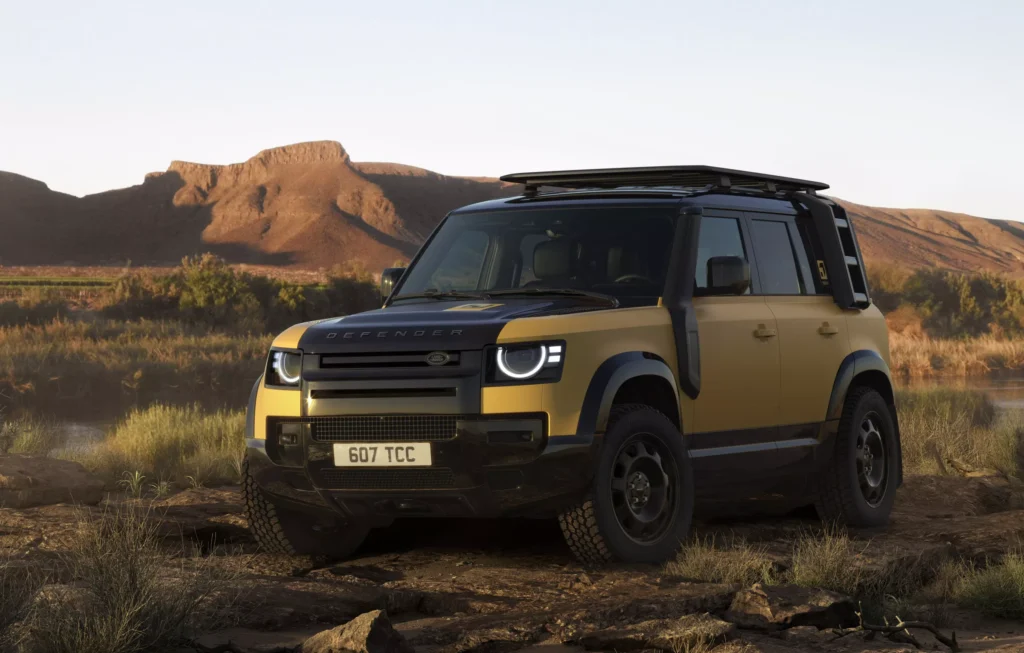
The current Land Rover Defender is subject to a 15 percent tariff when imported into the U.S., as it is assembled in Slovakia.
Changes for the Baby Defender
Jaguar Land Rover’s plans for the “baby” Defender have also changed in recent months. Initially, the compact SUV on the EMA platform was to be sold exclusively as an electric vehicle, but it recently became known that the vehicle’s architecture is being modified to support hybrid powertrains. Little is known about the new hybrid, but it will not be a plug-in hybrid; instead, it will use a more traditional setup. These changes come amid shifting consumer demand in some markets — away from EVs and toward hybrids.
Market Context
The delay of the electric Defender shows that JLR is taking a cautious approach to the EV transition, trying to maintain profitability in difficult economic conditions. At the same time, the decision to add hybrid versions to the “baby” Defender reflects a broader trend: demand for pure EVs is slowing, and hybrids are becoming a compromise for many buyers. This may be a signal that even premium brands are being forced to adapt to market realities, balancing innovation with practicality.