
 by
by U.S. Environmental Protection Agency Announces Major Rollback of Environmental Regulations
The Environmental Protection Agency (EPA) has announced a significant regulatory rollback, which it calls “the largest deregulatory action in U.S. history.” This decision involves repealing the so-called “Endangerment Finding” adopted in 2009, as well as all subsequent federal standards for greenhouse gas emissions from vehicles and engines, starting with the 2012 model year and beyond.
According to the EPA, the 2009 Endangerment Finding was used to justify an “unlawful push for electric vehicle mandates” during the Obama and Biden administrations. The agency claims this led to increased vehicle costs and limited consumer choice.
Decision Implications: From Repealing Standards to Savings
In addition to repealing emission standards, this decision also eliminates additional credits and the almost universally disliked engine start-stop function in vehicles. The EPA states that the changes will allow Americans to save over $1.3 trillion by removing regulatory requirements for measuring, reporting, certifying, and complying with federal greenhouse gas emission standards.
This equates to over $2,400 per vehicle, although the calculations include somewhat dubious math, such as “avoided costs of purchasing electric vehicle-related equipment.”
Legal Justification and Administration’s Position
The EPA stated that the decision was made after careful consideration and reassessment of the Endangerment Finding and the Clean Air Act. A review of the latter led them to conclude that the law does not grant the EPA the authority to set emission standards for vehicles and engines in the way it was done before, particularly for the purpose of combating global climate change.
EPA Administrator Lee Zeldin stated: “The Endangerment Finding has been the source of 16 years of restrictions on consumer choice and trillions of dollars in hidden costs for Americans. The Trump Administration strictly adheres to the letter of the law, returns policy to common sense, provides Americans with consumer choice, and advances the American Dream.”
The agency believes that a decision of such magnitude as the Endangerment Finding should be made exclusively by Congress due to its “enormous economic and political consequences.”
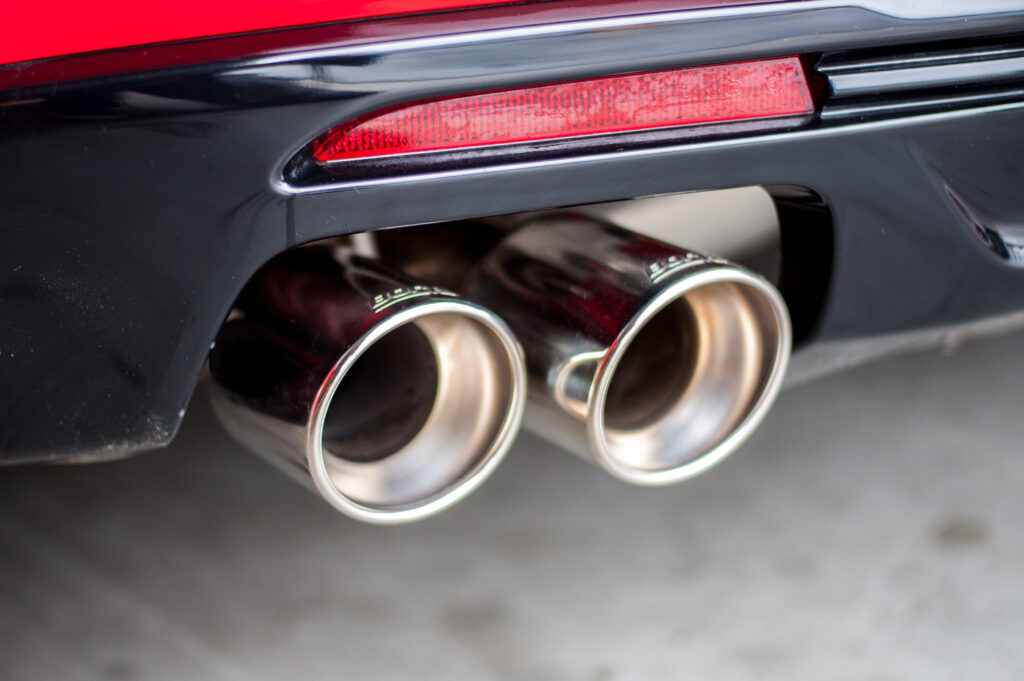
What is the Endangerment Finding?
At the core of the issue is the Endangerment Finding, which established that current and projected levels of six key greenhouse gases – including carbon dioxide, methane, nitrous oxide – “threaten the public health and welfare of current and future generations.”
More importantly, the EPA determined that emissions from vehicles and their engines contribute to greenhouse gas pollution that threatens public health and welfare. These findings triggered a series of events, including stricter emission standards and a push for more efficient engines, as well as alternative powertrains.
The White House stated in its tweet: “Cutting regulatory red tape and freeing the American taxpayer from crushing regulations.”
This decision will undoubtedly have far-reaching consequences for the U.S. automotive industry and international efforts to combat climate change. It could significantly slow the transition to electric vehicles and other alternative fuels, shifting the competitive landscape in favor of traditional internal combustion engines. At the same time, removing the regulatory burden could lead to a temporary reduction in costs for manufacturers and consumers, although the long-term environmental and economic consequences remain a subject of intense debate. The administration’s position sharply contrasts with the policies of many other developed countries, which are strengthening environmental regulations, which could affect international trade and technological cooperation.