
 by
by Americans’ auto debt reached $1.68 trillion
According to a new report by The Century Foundation and Protect Borrowers, Americans owed $1.68 trillion in auto loans as of the end of 2025. This is a 37% increase from the $1.23 trillion recorded at the end of 2018. The average price of a new car exceeded $49,000, while ten years ago it was approximately $35,000–$37,000.
The disappearance of cheap cars
Ivan Drury, director of analytics at Edmunds, noted this increase of $12,000–$14,000 in less than a decade, while median incomes have not kept up. Another issue is the disappearance of cheap cars.
“There are virtually no new cars for sale under $20,000. Buyers who previously had options at the lower end of the market no longer have them,” says Drury.
Sean Tucker, editor-in-chief of Kelley Blue Book, noted that automakers are targeting buyers with higher incomes who are less affected by external factors such as pandemics or wars.
“In 2017, [automakers] offered 36 models priced at $25,000 or less. Today, only four,” Tucker emphasized.
Tucker also noted that over 43% of new cars are now purchased by households with an annual income of $150,000 or more, a record high.
Monthly auto loan payments reach four figures
In the first quarter of 2026, Edmunds reported that approximately 20% of all monthly auto loan payments were $1,000 or more. In 2025, this figure was 17%. The average monthly auto loan payment in 2025 was $680, up from $506 in 2018, but low-income borrowers paid an average of $738 per month.
The report also showed that low-income borrowers had average auto loan balances nearly $4,000 higher than households with annual incomes over $175,000.
Drury noted that this could create additional economic hardship for families already on the edge.
“Higher auto debt puts pressure on many households. That extra money has to come from somewhere — it could be groceries, rent, savings, emergency funds…” he explained.
Higher rates add pressure
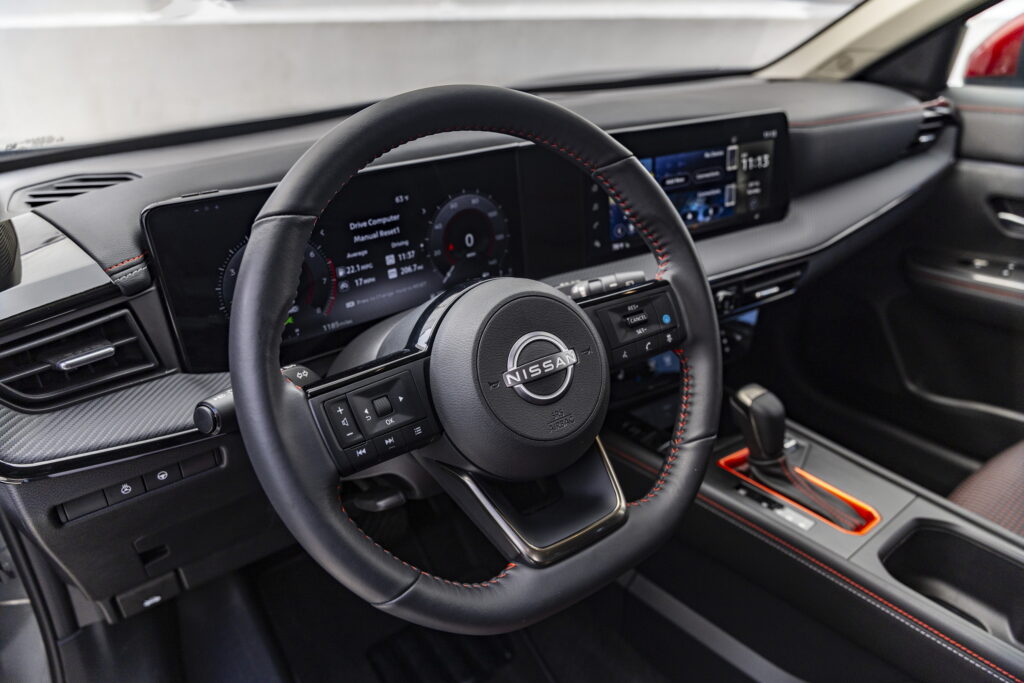
Interest rates have also risen. The average rate for the first quarter of 2026 was 6.9%, up from 6.7% at the end of 2025. However, those with a credit score below 580 may pay over 18% interest. This means an additional $14,000 in interest alone for a $30,000 car on a six-year loan.
One way consumers are trying to mitigate the increase in monthly payments is by choosing longer loan terms. 22.9% of financed new car purchases in the first quarter of 2026 were for terms of seven years or longer.
However, extending loan terms carries its own risks. For example, one may pay more overall, and sometimes end up “underwater,” meaning paying more on the loan than the car is actually worth.
“The longer these loans go on, the harder it is to get out of them,” says Drury.
This situation reflects a deep structural problem in the auto market, where rising prices and interest rates outpace people’s incomes. The disappearance of affordable models forces buyers to take out larger loans for longer terms, increasing the risk of financial instability for many families. Low-income borrowers are particularly vulnerable, paying more and having higher debt balances, which could lead to an increase in defaults in the future.