 by
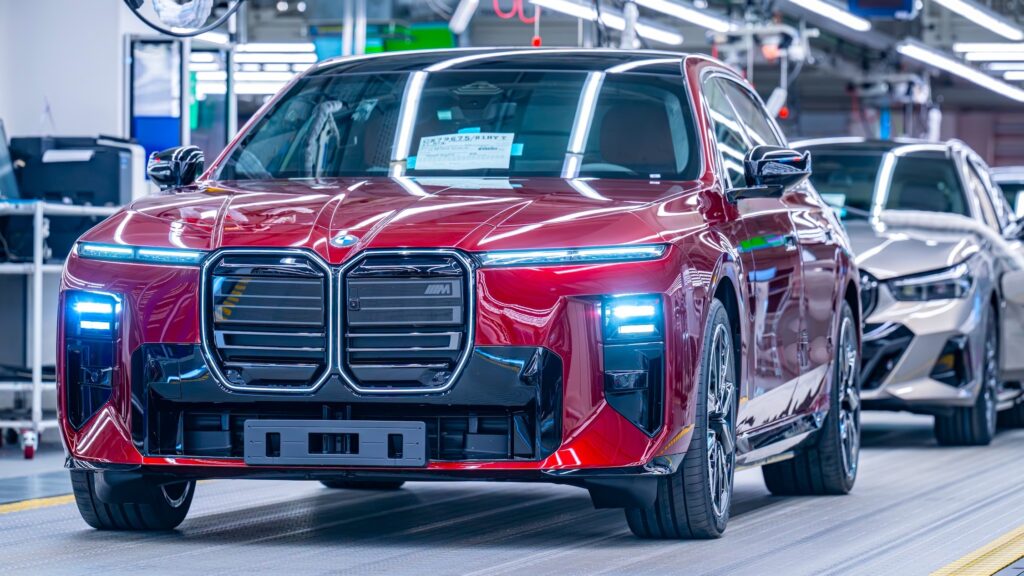
by BMW has spent billions preparing the long-awaited Neue Klasse cars, but now it is forced to radically change its personnel policy. The company aims to cut approximately 8,000 positions globally, with most layoffs taking place in Germany — this is part of a plan to reduce costs and restore profitability.
Unlike some restructuring programs, BMW is not touching its production lines. Instead, voluntary redundancies will be offered to employees in the administrative department, research and development, and planning. Factory personnel are excluded from this scheme.
Labor costs: Germany vs. Hungary
Bloomberg reports that management positions will also be optimized. The voluntary exit program in Germany will start in October and run until the end of 2027. The company itself confirmed that it has reached an agreement with the works council on restructuring, but does not disclose details about the planned number of layoffs.
The cuts are significant even for a company as large as BMW. At the end of 2025, it employed about 150,000 people worldwide, including 87,436 in Germany. Compared to the previous year, the German part of the workforce decreased by 2.3%.
Behind the tightening cost-saving measures lies a series of increasingly unpleasant problems. BMW’s sales in China have plummeted — local manufacturers, such as BYD, are increasing pressure, especially in the electric vehicle segment. Chinese brands are not limited to the domestic market: their growing presence in Europe is forcing BMW to compete with them on familiar ground.
US tariffs do not help
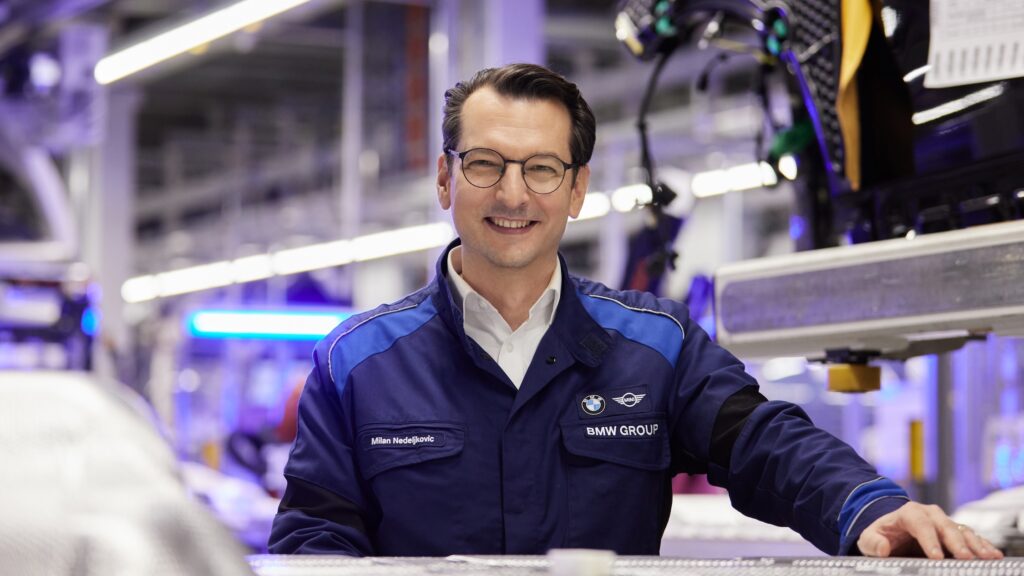
The situation is worsened by US customs tariffs, expensive European production, and geopolitical uncertainty. In June, BMW lowered its profit forecast, and the new CEO Milan Nedeljković immediately promised to accelerate already initiated cost-cutting measures.
According to Reuters, Nedeljković told employees that the rules of the game in the industry have changed significantly, along with the fundamental foundations of BMW’s business. He warned staff of difficult times while emphasizing the need for restructuring to improve profitability.
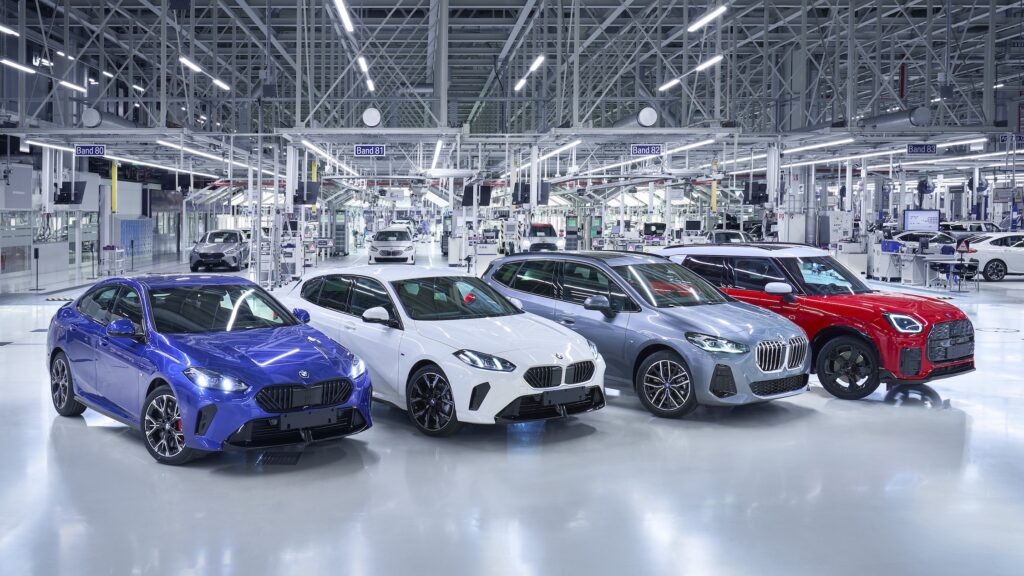
BMW is not the only company in this situation. Volkswagen and Mercedes have already approved plans involving tens of thousands of cuts. And Porsche recently expanded its own restructuring program, which will additionally leave 6,000 workers without jobs — on top of the 3,500 already identified earlier.
These steps indicate a profound transformation of the global automotive industry. On one hand, rising costs for energy, raw materials, and logistics; on the other, fierce competition from Chinese manufacturers, who are actively implementing the latest technologies and offering lower prices. Tariffs imposed by the US only add tension. For European concerns, this means that personnel optimization and review of production chains are becoming not just desirable, but necessary for survival. Despite the cuts, it is precisely under these conditions that the foundation for future resilience is being laid — through a focus on profitable segments, new markets, and internal efficiency.