 by
by BYD Impresses with Ultra-Fast Charging, but BMW Questions Its Practicality
The Chinese automaker BYD has introduced a revolutionary fast-charging system with a capacity of 1500 kW, promising refueling times close to those of a conventional car. However, the German conglomerate BMW expresses skepticism about such technologies, pointing to inevitable compromises.
Key points of the news:
Technological Breakthrough or Marketing Ploy?
The system presented by BYD relies on megawatt-level hardware and ultra-high current to achieve peak speeds. Despite the impressive figures, BMW’s head of battery production, Markus Fallböhmer, urges caution.
You always have to be careful with such claims. You can optimize one specific performance indicator, but you will have to make compromises in other aspects. We could also increase the charging speed, but then we would have to reduce other important battery factors. It’s like a blanket – if you pull it from one side.
BMW’s Position: Safety and Reliability Above All
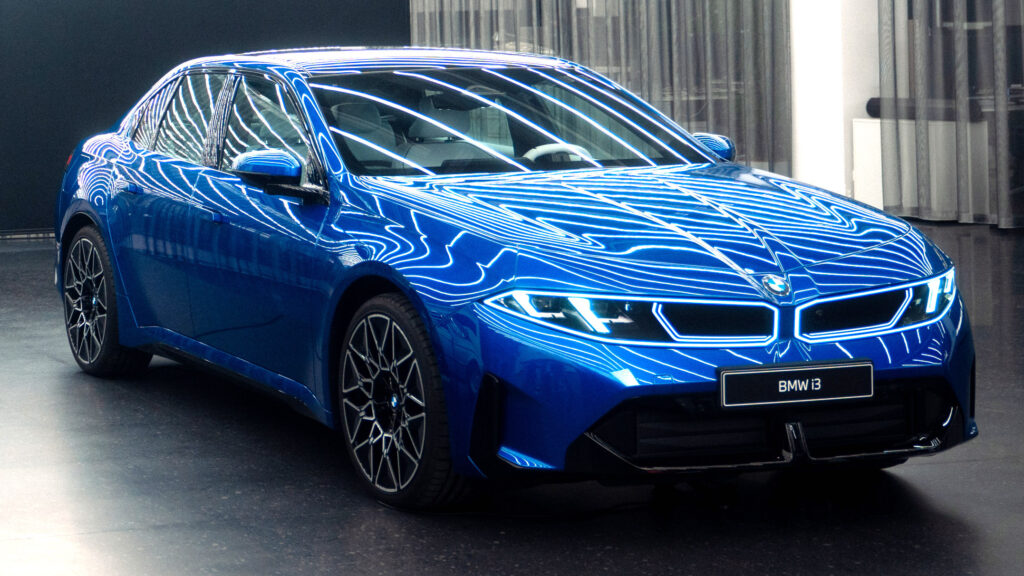
The new BMW iX3 and i3 models already support very high charging speeds of up to 400 kW. The company emphasizes that it can guarantee quality and safety at such speeds, hinting that it is not confident in similar guarantees from competitors.
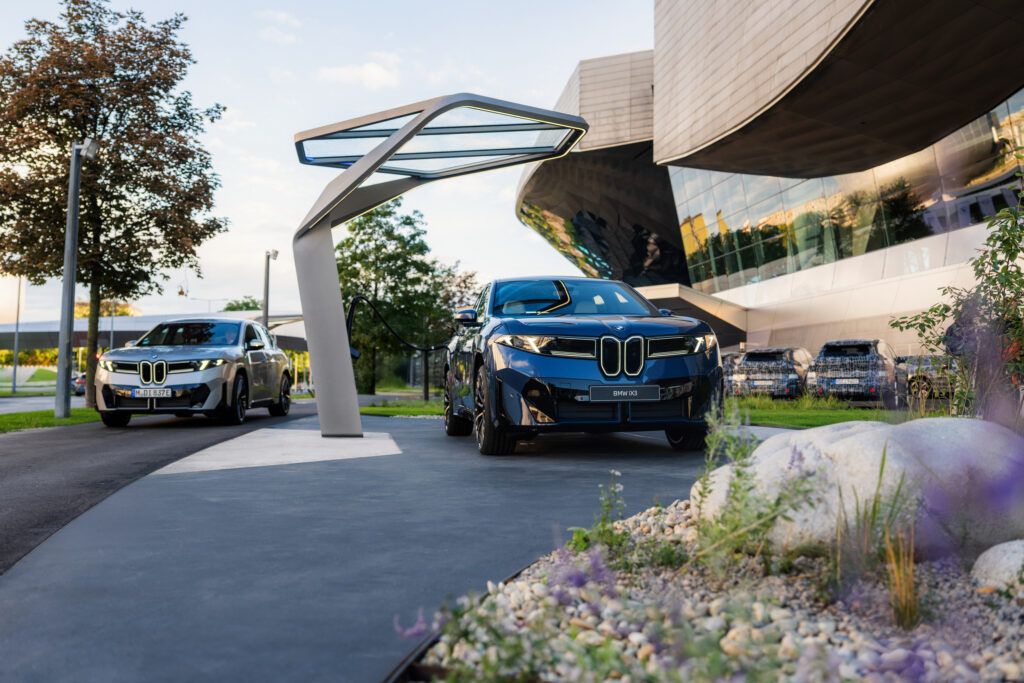
BMW’s Neue Klasse model line manager, Mike Reichelt, added that further increasing charging speed would lead to compromises in battery longevity, overall range, and technology availability. In his opinion, such sacrifices are unjustified for most real-world usage scenarios.
We strive to reduce charging time more and more, but you have to consider range, longevity, reliability. We guarantee all these things. We are watching the speed of development in the Chinese market… but on the other hand, we guarantee quality and safety. This is a topic we do not discuss with anyone.
Technology Race and Real Needs
The struggle to reduce charging time in the electric vehicle market resembles a similar race among smartphone manufacturers, where China often sets the tone. However, excessively increasing charging speed can lead to battery overheating and thermal management issues, which BMW is trying to avoid.
This discussion highlights a fundamental question in the electric vehicle industry: is the goal of maximum possible charging speed justified if it is accompanied by reduced reliability and increased cost? BMW’s approach, focused on balance and guarantees, contrasts with the aggressive promotion of peak performance figures. The future will show which strategy proves to be correct in terms of long-term consumer satisfaction and overall trust in the technology. For now, buyers should carefully study not only the advertised figures but also the manufacturers’ guarantees regarding battery longevity and safety.