 by
by Stellantis removes Lancia Delta from plans: what is known
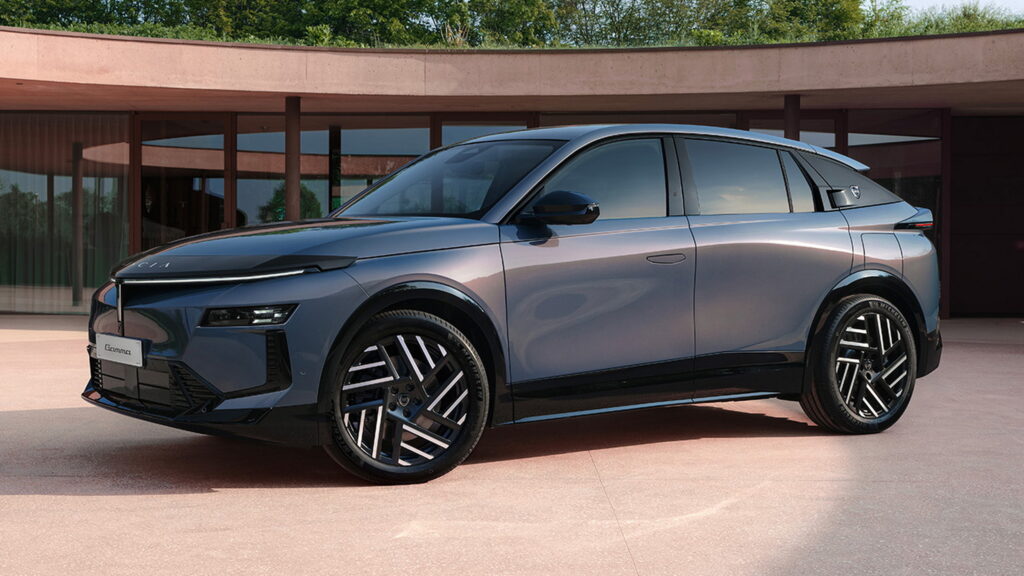
Recently, Lancia released the first official images of the new Gamma model. This is a premium fastback crossover that will be offered in both fully electric and hybrid versions. The flagship model will hit the roads later this year and will join the subcompact Ypsilon in the lineup. However, the return of the Delta, previously considered a done deal, now looks highly uncertain.
Promises of 2021 and the reality of 2026
In 2021, then-CEO of Lancia, Luca Napolitano, promised that the Delta would return as a fully electric vehicle, calling it a manifesto of progress and technology. The official plan anticipated the model’s launch in 2028, following the Ypsilon and Gamma. However, a recent presentation in Europe suggests a different turn of events.
The expected new bodies for the Alfa Romeo Giulia and Stelvio have also been canceled. They will likely be replaced by other vehicles on the STLA Large platform around 2030. The fate of the Giorgio platform, on which billions of dollars were spent, remains uncertain.
In a Stellantis slide describing future models of various brands, there was a noticeable gap under the Lancia brand. The only new or updated Lancia model listed up to 2030 was the Gamma, leaving the Delta out of focus. Roberta Zerbi, who became CEO of Lancia in November 2025, has also said nothing about the Delta project, focusing the brand’s efforts on the Ypsilon and Gamma. Two such coinciding gaps are hardly a coincidence.
Stellantis restructuring and its consequences
The sudden disappearance of the iconic name from future plans may be due to structural changes within Stellantis. The automotive giant is reorganizing its vast portfolio of brands, aiming to maximize capital efficiency and optimize resources.
As part of this reshuffling, Lancia is now subordinate to Fiat, while its sister brand DS Automobiles has moved under the wing of Citroen. This step transforms both brands into “Specialty Brands” rather than fully independent divisions. The likely price of this downgrade is limited access to research and development funds for future products, with freed-up capital being directed to other Stellantis brands that management considers higher priority.
One’s loss becomes another’s gain
Just as Lancia appears to have postponed or canceled the return of the Delta, another Stellantis brand has confirmed it is working on a premium compact hatchback targeting nearly the same audience.
Alfa Romeo is creating a spiritual successor to the 147 and Giulietta models. The hatchback will be based on the new STLA One architecture and will be offered with a choice of fully electric and hybrid powertrains. It gives the impression that Stellantis simply “cut” a part from Lancia and “stitched” it onto Alfa Romeo.
The glorious past of the Delta
If the Delta is indeed being sidelined, it closes another chapter for a model whose history was full of both highs and lows. Lancia produced three generations of the car and then simply stopped production without preparing a successor, which says a lot about how the brand has treated its “crown jewels” over the years.
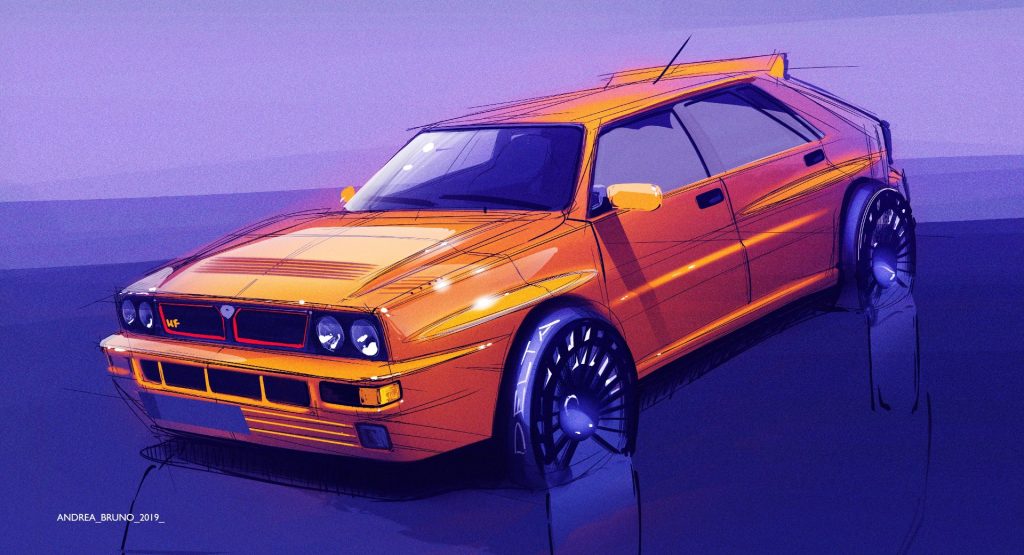
The journey began in 1979 with the iconic original, designed by Giugiaro, which remained in production until 1994. During this time, the Delta achieved immortality in motorsport, winning six consecutive World Rally Championship (WRC) manufacturers’ titles for Lancia between 1987 and 1992. The road-going HF Integrale versions set the standard for “hot” hatches and later became collector’s items with corresponding prices.
The second generation, created by the I.DE.A institute on the Fiat Tipo platform, had a much shorter production run from 1993 to 1999. After a long hiatus, the Delta returned in 2008, sharing a platform with the Fiat Bravo and Alfa Romeo Giulietta, but trading its aggressive racing character for premium comfort. The last example rolled off the assembly line in 2014, leaving Lancia with only one model. Hopes for a fourth-generation Delta flared up in 2021, but the latest news leaves fans in the dark.

Thus, the story of the Lancia Delta is a telling example of how corporate restructuring and the pursuit of economic efficiency can derail even the most ambitious plans to revive iconic models. The transfer of Lancia under Fiat’s management and the reallocation of resources towards more mass-market or profitable brands, such as Alfa Romeo, casts doubt on the future not only of the Delta but also of other niche models. Focusing on the Gamma and Ypsilon, while a pragmatic step, leaves brand fans without the promised “manifesto of progress” that the new Delta was supposed to be. This decision also underscores the harsh reality of the modern automotive market, where even a rich history and a loyal fan base do not guarantee a model a place in the lineup if it does not fit into the new corporate strategy.