 by
by Mercedes Marco Polo Update for the 2027 Model Year
Mercedes-Benz has unveiled the updated version of its premium Marco Polo camper for the 2027 model year. This model, known for combining mobile living with a boutique hotel atmosphere, has received a number of improvements and, for the first time, has fully brought production under its own control.
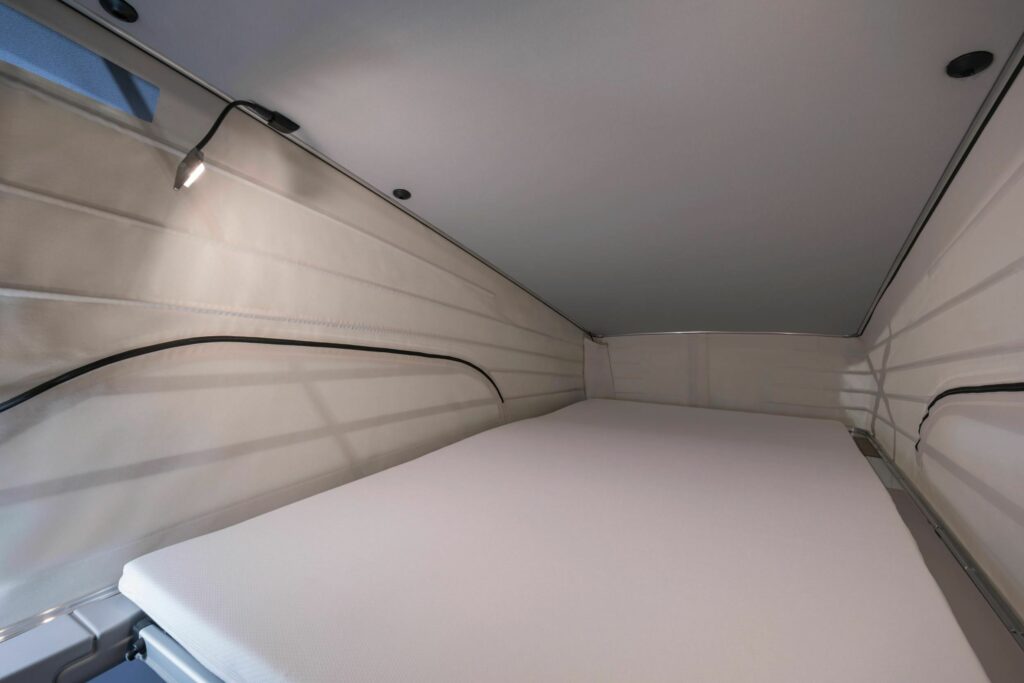
The exterior appearance remains unchanged, as the model recently inherited the updated front end from the V-Class. The main novelty is the completely redesigned pop-up roof structure. It is made of an aluminum alloy, equipped with configurable LED lighting, and contains a bed measuring 2.05 by 1.13 meters.
The new roof structure is designed to improve both thermal and acoustic insulation, and also offers an additional 10 millimeters of headroom.
The awning has also been redesigned for easier installation and removal, making life on the road a bit simpler.
Comfort and Functionality Improvements
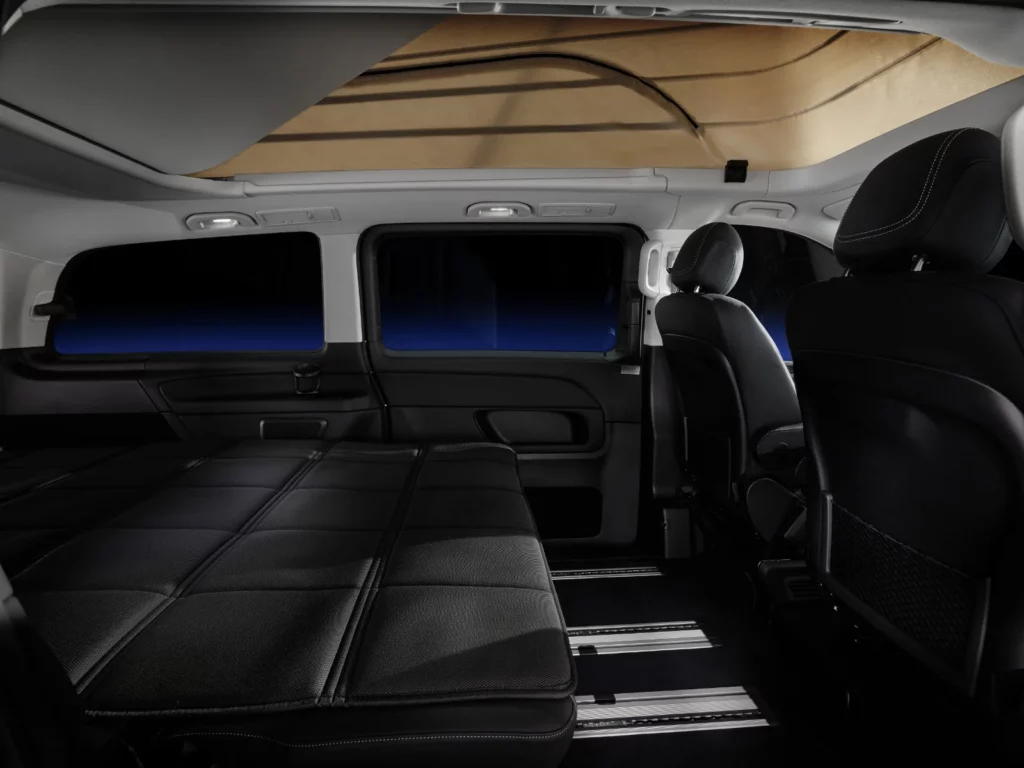
In addition to the roof bed, the rear sofa can be transformed into a second double bed in the main cabin. The cabin retains two 12.3-inch displays, which now run on the updated Mercedes-Benz Advanced Control system for more convenient management of camping-related functions.
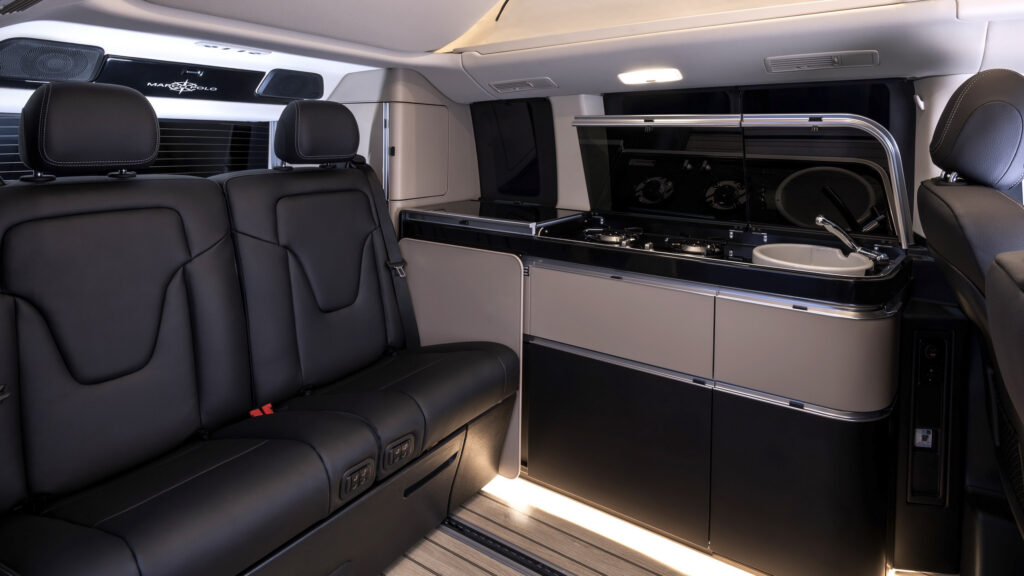
The living area remains focused on efficient use of space. It features a compact kitchen, a wardrobe, and swiveling front seats. For added privacy, new magnetic blackout curtains are presented to separate the driver’s cab.
The folding tables and pull-out drawers have been refined, the rear sofa received an updated control panel, and the refrigerator became more efficient. Furthermore, a new audio system with eight speakers and a subwoofer has been introduced, which can be connected to a smartphone via Bluetooth even when the media system is turned off.
Production Changes and Technical Features
The most important change is the complete transfer of production under the control of Mercedes-Benz, without the involvement of partner Westfalia. The base V-Class will continue to be produced in Spain, but the conversion into a camper will now take place at the plant in Ludwigsfelde, Germany. This step, according to the manufacturer, will ensure the highest quality standards and may accelerate delivery times.
Mechanically, nothing has changed. The same 2.0-liter turbo-diesel engine, suspension, and optional self-leveling suspension system remain.
The most powerful engine version produces 234 horsepower. The nine-speed automatic transmission can drive the rear or all four wheels in the 4Matic version.
New Modification and the Model’s Future
Alongside the updated Marco Polo, a more minimalist Horizon version has been presented, which has the same updates but lacks a built-in kitchen and wardrobe. Both models will be available to order soon, with deliveries starting in the second half of 2026. Price information has not been disclosed yet.
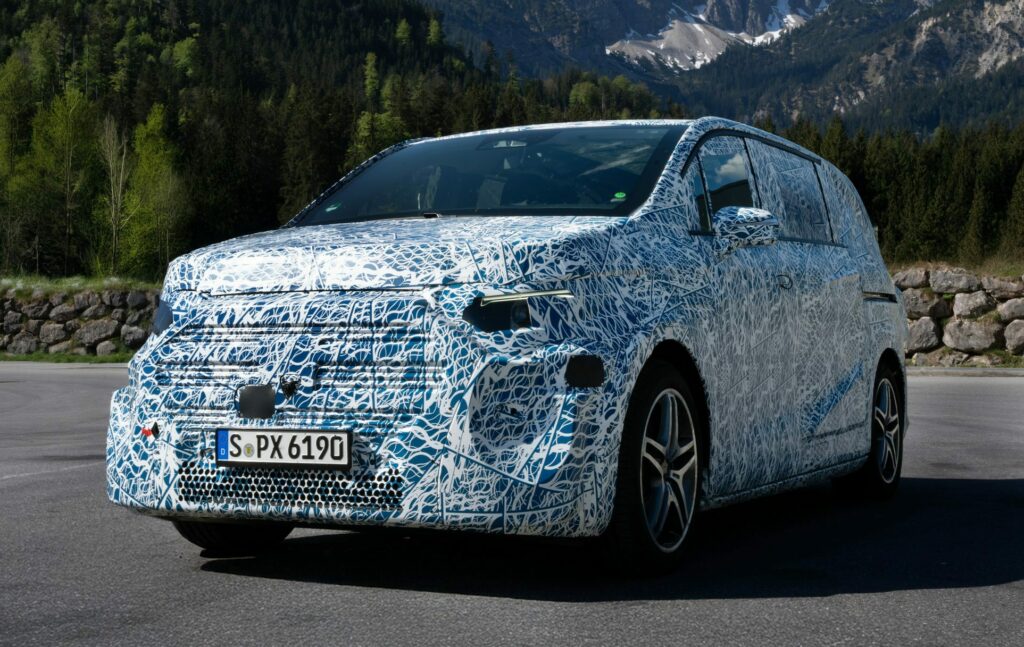
The company also confirmed that development of the next-generation Marco Polo is already underway. It will be built on the new Mercedes-Benz van architecture, designed for greater modularity and flexibility.
Powertrains will include both the fully electric VAN.EA platform and the internal combustion engine VAN.CA platform. Electric and traditional versions of the new camper are expected to appear by the end of this decade.
These updates underscore Mercedes-Benz’s commitment to maintaining its leadership position in the premium camper market, focusing on production quality and comfort details. The transition to full in-house production could become a key factor for controlling all stages of vehicle creation and meeting the demands of the most discerning clients who are looking not just for a means of transport, but for a high-class mobile home. Simultaneously, the announcement of a new generation on a modern modular architecture points to the brand’s long-term strategy in this segment, combining traditional values with future technologies.