 by
by According to the heads of two major automakers, modern plug-in hybrid electric vehicles (PHEVs), which many consider the perfect combination of electricity and gasoline, are actually problematic. Company policies diverge, and regulatory requirements are becoming stricter, fueling the debate about the best transitional stage between traditional and fully electric cars.
Criticism from Polestar
The head of Polestar in Australia spoke sharply about PHEVs, calling them the worst of both worlds. In his opinion, such cars combine the complexity of a gasoline engine with the engineering challenges of an electric powertrain. This contradicts the brand’s image, which is built around high-performance electric vehicles and ambitious goals for reducing carbon footprint.
It makes no sense for a brand that prides itself on its dynamism, performance orientation, and those strong sustainability principles we value so much
— stated Scott Mineard.
Renault’s Position
Renault’s CEO, François Provost, expressed similar criticism but from a different angle. He criticized PHEVs with an overly short electric-only range, which leads owners to rarely charge them.
They are like fake PHEVs. The electric range is too short, and customers are not motivated to charge them
— said Provost.
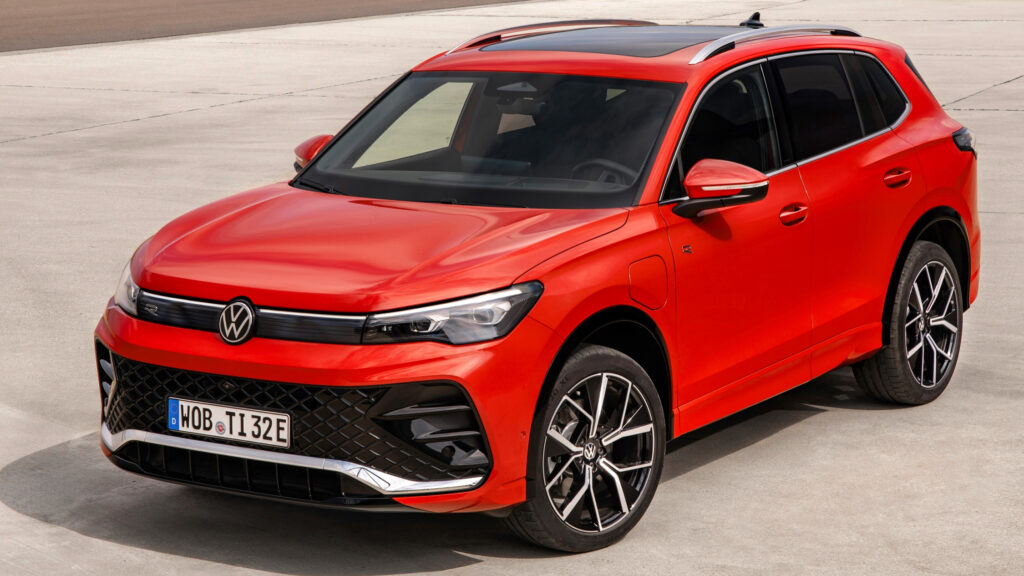
He noted that while some models, like the latest European Volkswagen Tiguan, can travel up to 121 km on electricity, others, such as the Mazda CX-60 PHEV, have half the range.
Alternative in the Form of “Range Extenders”
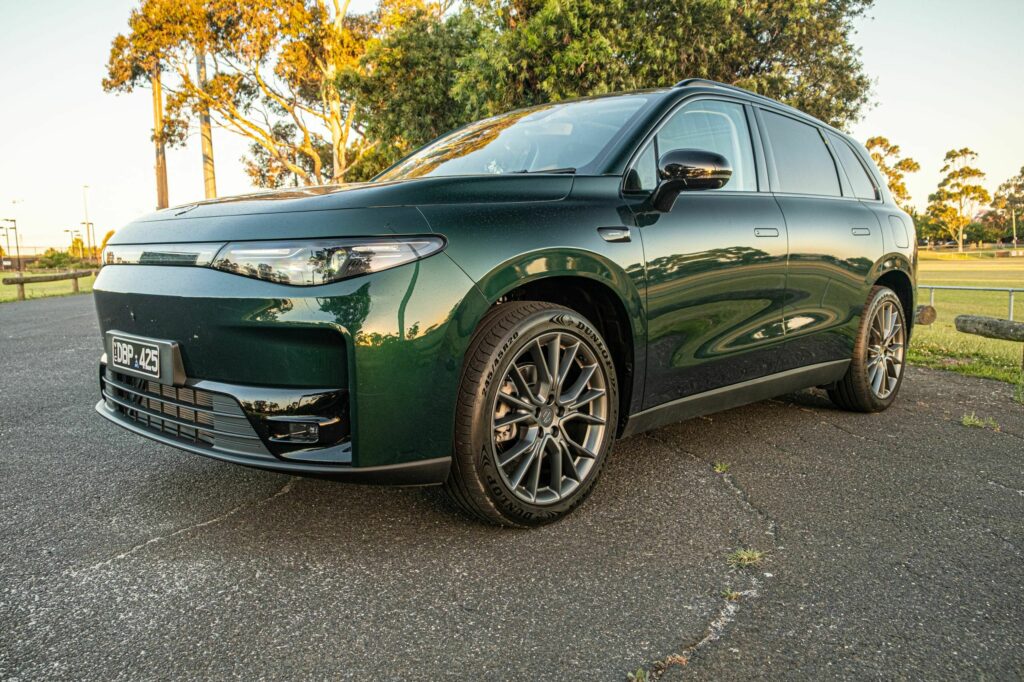
François Provost believes the answer lies not in traditional PHEVs, but in electric vehicles with a range-extending engine (range-extender). In such a configuration, as in the Leapmotor C10, the wheels are always driven by an electric motor, and the gasoline engine serves only as a generator to charge the battery.
The goal of the French manufacturer is to create a car where daily commuting will be primarily electric, and the gasoline engine will act as a rare backup, capable of enabling a 1000 km journey without extra stress.
Regulatory Pressure
Skeptical regulators are also increasing pressure. New European emission standards are forcing manufacturers to increase battery sizes in PHEVs so that official consumption figures better match reality. Some models have almost doubled battery capacity to increase electric range, but the added weight makes them less efficient when running on gasoline, as they have to carry extra electrical equipment.
This discussion points to a deeper transformation in the automotive industry, where finding a universal solution is becoming increasingly difficult. Criticism of PHEVs from manufacturers who themselves offer alternatives indicates a struggle for technological leadership during the transition period. On one hand, there is a need for practical solutions for consumers who fear electric vehicle “range anxiety”; on the other — environmental commitments and companies’ long-term strategies aimed at full electrification. Market conditions and legislation will continue to shape this landscape, forcing manufacturers to balance between the immediate availability of technologies and their future sustainability. The question of the optimal balance between range, convenience, and efficiency remains open for every driver.