 by
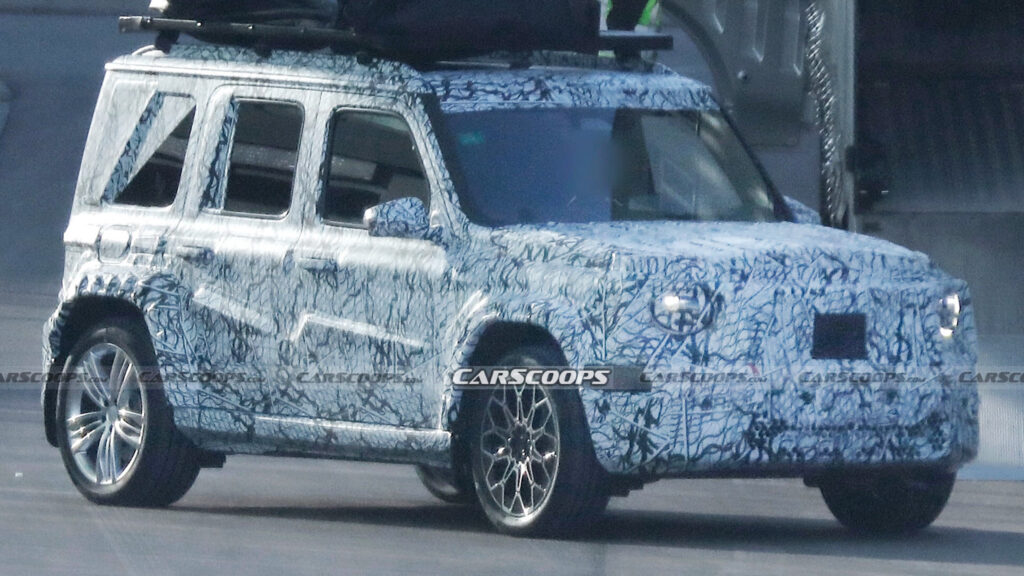
by Mercedes-Benz is preparing a smaller brother of the iconic G-Class SUV, unofficially called “Little G”. Initially, it was planned that this model would be exclusively electric, but after talks with American dealers, the company changed its plans.
Why dealers influenced the decision
During a roundtable in Los Angeles on May 19, Mercedes-AMG CEO Michael Schiebe explained that dealer feedback significantly influenced the decision. American retailers did not hide their position.
“The clear feedback from our dealers in the US, whom we asked from time to time, was: we need a version with an internal combustion engine,” Schiebe said. “We replied: ‘Yes, okay. Let’s add a version with an ICE.’ It must have sufficient power, and that will definitely happen.”
Dual powertrain strategy
This approach makes sense from a business perspective. Dealers communicate with customers daily, hear their objections, and monitor what sells. Enough dealers stating that an exclusively electric platform would not sell forced a change in plans.
The “Little G” is expected to get two versions: one with a turbocharged four-cylinder hybrid, and another with an 85 kWh battery pack. Both will allow buyers who aspire to a genuine G-Class to enter the family at a significantly lower price.
Demand in Europe and future plans
Schiebe also believes that demand for the electric version in Europe will be high, citing the launch of the compact CLA sedan, where a significantly larger share of customers choose the electric option, and the car demonstrated the “everyday convenience of electric vehicles.”
Mercedes plans to release the smaller G-Class in 2027, although the company has not yet officially confirmed the timeline or whether the electric and gasoline versions will appear in showrooms simultaneously.
Success of the original G-Class
Meanwhile, the original G-Class continues to generate profit. Deliveries in the US increased by 26% in 2025, reaching a record 12,003 units.
This story shows how market realities force even large manufacturers to adjust their strategies. Although electric vehicles remain an important direction, the practical needs of dealers and customers in different regions of the world require flexibility. Mercedes’ decision to add a gasoline version to the “Little G” could be key to the wider adoption of this model, especially in markets where the electric vehicle infrastructure is not yet as developed, or where buyers value traditional powertrains. It also underscores the importance of feedback from dealers, who are the direct intermediaries between the manufacturer and the end consumer.