 by
by Hyundai and Kia develop ultraviolet lamps for car interior disinfection
Hyundai Motor Group continues to pay significant attention to cleanliness in vehicles. Latest models, such as the Santa Fe and Palisade, are already equipped with UV-C compartments that use ultraviolet light to sanitize phones and other devices. The next step will be a larger-scale solution: the company plans to use ultraviolet light to eliminate germs throughout the entire interior.
How the Plasma Care UVC technology works
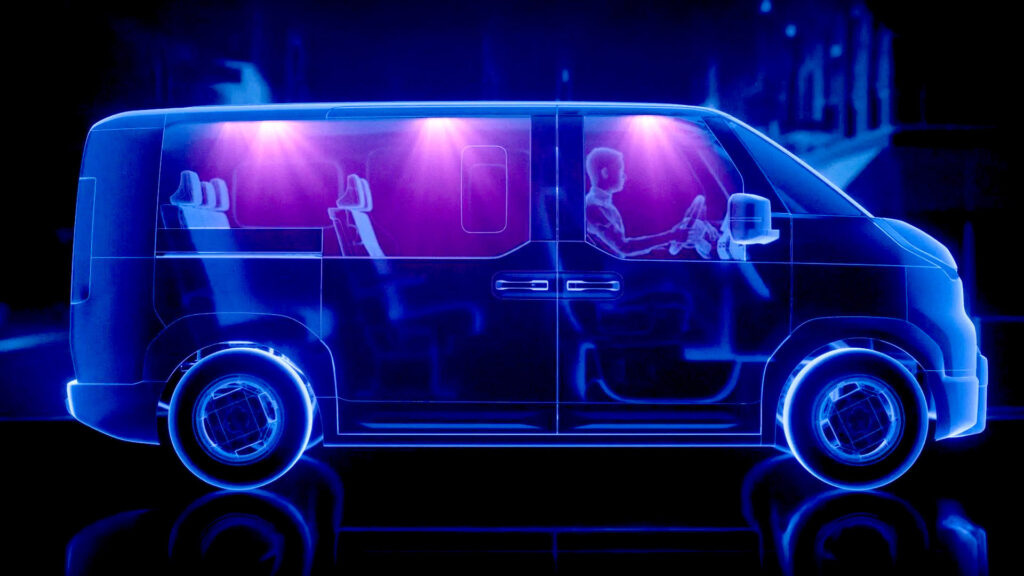
The company’s development involves installing several far-ultraviolet C (Far-UVC) lamps in the vehicle’s ceiling. They are capable of destroying viruses and bacteria within minutes. Unlike UV-C lamps used in the Santa Fe and Palisade, which can be harmful with direct human exposure, Far-UVC lamps operate in the 200-230 nanometer range. This means they only affect the outer keratin layer of human skin without penetrating deeper. Importantly, this light is powerful enough to destroy the DNA of bacteria and viruses.
The system, developed by Hyundai and Kia, is named Plasma Care UVC. Similar lamps are often used in hospitals, but for automotive operation, engineers had to ensure their resistance to intense vibrations, temperature fluctuations, and harsh operating conditions while maintaining compact size and energy efficiency.
Test results and effectiveness
During tests, the system demonstrated the ability to eliminate 96.8% of airborne viruses within 30 minutes. It proved especially effective against bacteria that cause pneumonia: 99.9% are destroyed in 30 seconds, and 100% in 60 seconds. A separate test also showed that the system eliminates 99.9% of E. coli bacteria in 40 minutes of exposure.
Application in commercial vehicles
Hyundai sees the greatest potential for the technology in purpose-built vehicles (PBVs), particularly the Kia PV5, as well as in school buses and trucks for transporting fruits and other products. Additionally, the system breaks down persistent compounds that cause unpleasant odors, helping the interior stay fresher for longer.
“Plasma Care UVC was developed for use in open vehicle interiors with passengers, going beyond conventional disinfection methods limited to enclosed spaces,” said Han Ju Jang, senior research fellow at Hyundai and Kia. “We expect this to become a valuable solution for cabin hygiene, providing a more pleasant travel experience in future mobility scenarios, including autonomous driving and specialized vehicles.”
Neither Hyundai nor Kia have yet announced when the system will appear on production vehicles.
Additional context
The introduction of such technology could be a significant step forward in combating the spread of infections in public transport and taxis. It becomes especially relevant in the context of growing demand for hygiene solutions after the pandemic. If the technology proves its reliability and safety in real-world operating conditions, it could become a standard for many manufacturers, not just Hyundai and Kia. For now, questions remain about the cost of such a system and its impact on the final price of the vehicle.