 by
by Overall Picture of Record Recalls
Ford continues to ramp up recalls. As of July 28, 2026, the automaker has recalled 13,518,991 vehicles in the United States across 61 campaigns. For comparison, the entire American automotive industry during the same period conducted 226 recalls covering 26,740,225 vehicles. Thus, Ford accounts for more than half of all recalled vehicles nationwide.
Unexpected Danger: Seat That Reclines on Its Own
The company’s latest campaign stands out for its unusual nature. Imagine a situation where rear passengers find themselves trapped in the car because the front seats suddenly reclined, limiting their space. This is the risk threatening nearly 80,000 SUVs. Although no injuries have been reported yet, the potential consequences were serious enough to justify another safety campaign.
Which Models Are Affected by the Recall
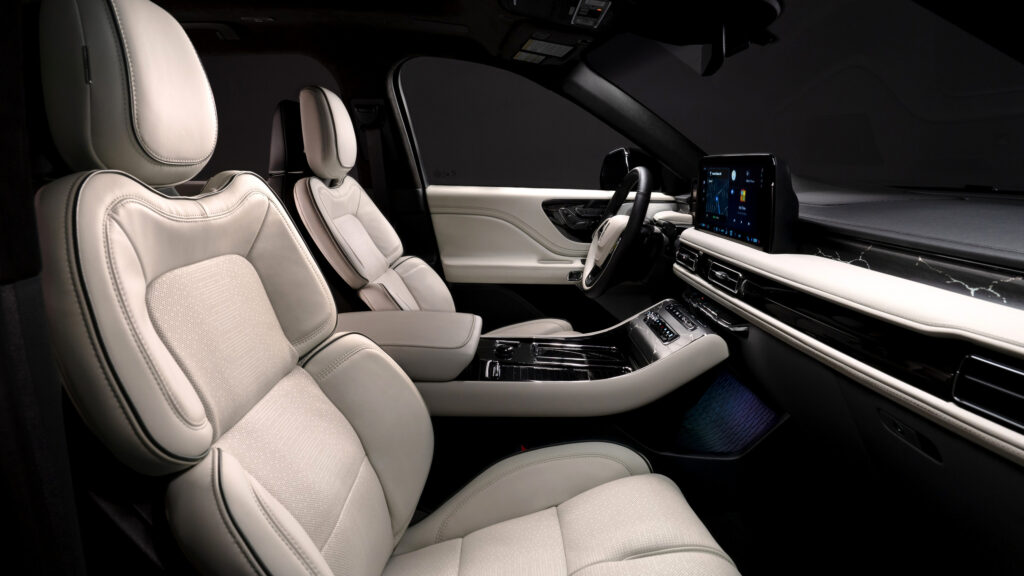
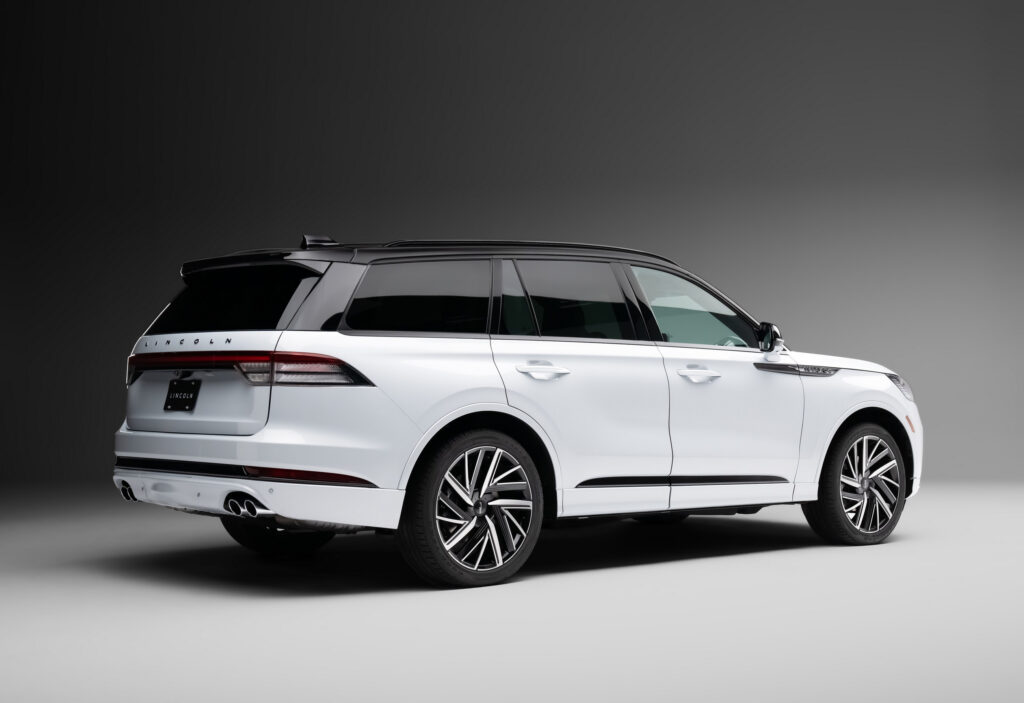
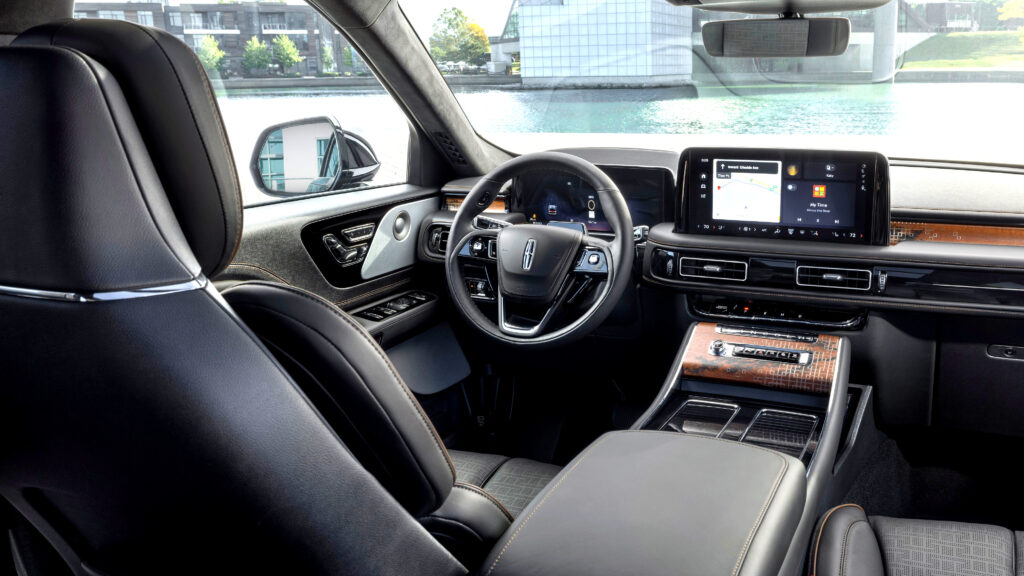
The recall covers exactly 79,579 vehicles, including 64,409 units of the 2026–2027 Ford Explorer and 15,170 units of the 2026–2027 Lincoln Aviator. All were manufactured between November 24, 2025, and June 27, 2026. According to Ford, each affected vehicle was equipped with a specific driver’s seat back adjuster motor produced during this period.
How Exactly the Problem Occurs
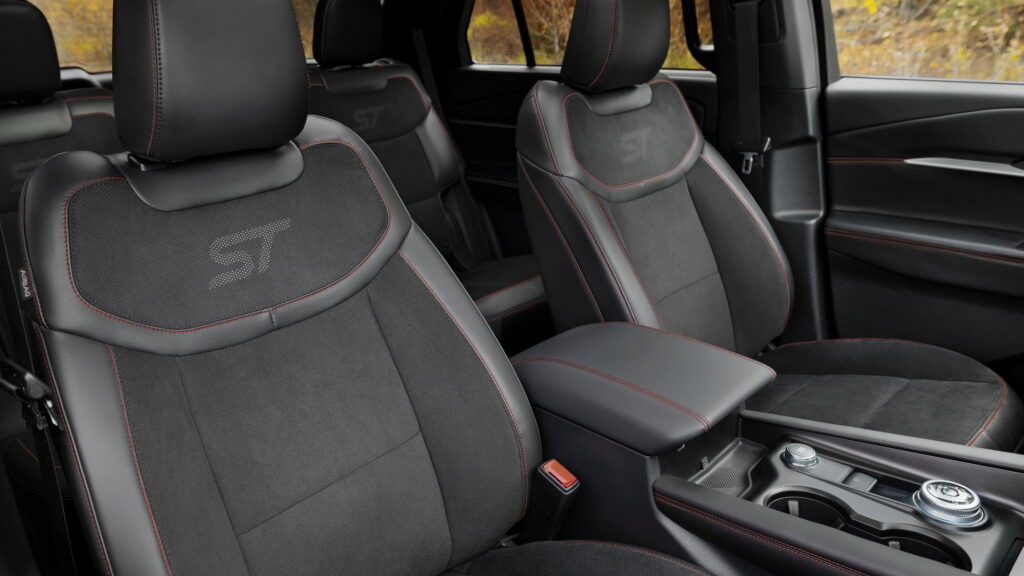
The issue is not that the seat suddenly moves while driving. Instead, as Ford explains, the driver’s seat may begin to recline backward when the car is unoccupied — after activation of the seat memory function. This can happen when the owner remotely unlocks the doors, starts the engine with the key fob, approaches the vehicle with the key in pocket, or calls up one of the saved seat positions from memory.
According to the manufacturer, the cause lies in the seat back adjuster motor incorrectly interpreting the seat position during memory activation. If the seat continues to move backward, it may contact a person sitting in the second row. Since the obstacle detection system and rebound function may not work properly, Ford believes this situation creates a risk of entrapment or blocking and increases the likelihood of injury.
Statistics and Consequences
Ford’s investigation began after complaints that Explorer and Aviator seats fully recline without driver involvement when vehicles are unlocked. Engineers eventually found that the problem was related to a new supplier of the seat back adjuster motor that began production in late 2025. The company determined that the defect affects only Explorer and Aviator equipped with this particular motor and corresponding control strategy. As of June 26, Ford had received 133 reports of this malfunction but states that no accidents or injuries have been recorded.
Plans to Fix the Issue
Ford is still developing a remedy. Owners will receive a software update or component replacement as soon as the solution is finalized. However, the company has not yet announced when owner notifications will begin.
This is not the first time mass seat issues have led to large recalls. It is worth noting that Ford’s total number of recalled vehicles in 2026 has already exceeded 13.5 million — an absolute record for the company in recent years. For comparison, in 2025 during the same period, Ford recalled about 4 million vehicles. Thus, the current surge in defects, particularly related to new component suppliers, calls into question the effectiveness of the manufacturer’s quality control system. Despite the absence of injuries, the situation demonstrates how even a minor technical flaw can affect passenger safety and brand reputation. It is expected that Ford will strengthen inspection of new components to avoid similar incidents in the future.