 by
by Mazda delays its own electric vehicle until 2029, betting on hybrids
Mazda has officially joined the growing list of automakers backing away from aggressive electric vehicle plans. The difference is that while rivals like Ford, GM, and Stellantis are suffering huge losses after changing course, Mazda claims its own retreat will cost the company nothing. Mostly because it had barely begun.
The Japanese automaker confirmed this week that the launch of its first dedicated electric vehicle has been delayed from 2027 to at least 2029. Instead, Mazda says it will focus on hybrids and internal combustion engine models while continuing to closely monitor global EV demand.
Related: Mazda already has five SUVs in the US. It just registered a sixth
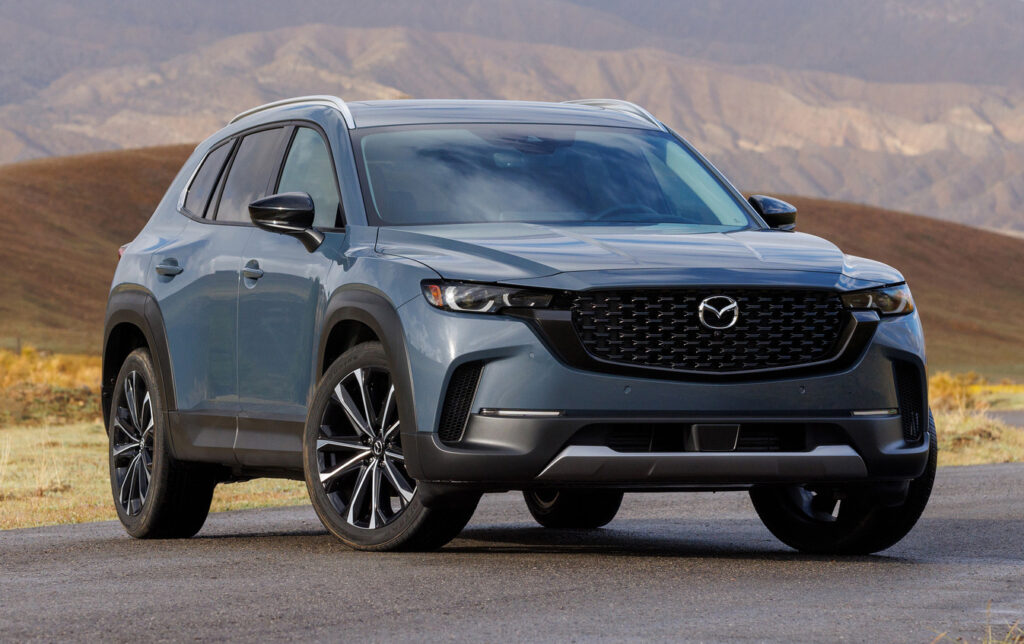
This cautious approach, which could have made Mazda seem behind the curve, suddenly looks quite timely. EV sales growth has noticeably slowed in key markets, including the United States, where hybrids are currently experiencing a surge in popularity. Mazda says hybrid versions of its CX-50 (pictured below) already account for roughly 35-40 percent of sales, giving the company more reason to prioritize gasoline-electric models over fully electric ones.
“We made the decision before we started,” said Muro during a financial results presentation regarding the delay decision, according to Automotive News. “Regarding battery electric vehicles, we have always been cautious.”
Larger competing brands are probably wishing they had been equally prudent. Over the past two years, several major automakers have delayed or canceled EV projects after investing billions in factories, battery plants, and production tooling based on overly optimistic demand forecasts. Ford, GM, Honda, Stellantis, and others have also adjusted plans due to changing market conditions, costing them billions.
Mazda, meanwhile, essentially kept its wallet closed. The company now plans to cut its planned electrification spending by 2030 nearly in half, reducing it from about $12.5 billion to roughly $7.5 billion. Muro said there were no write-downs or impairment costs because Mazda had not yet committed significant assets to production.
Focus on hybrids
Instead, the company will focus on hybrids based on its upcoming Skyactiv-Z engine family. Several new hybrid models are planned by the end of the decade, including a revamped CX-5 hybrid that will use Mazda’s own in-house system rather than Toyota technology.
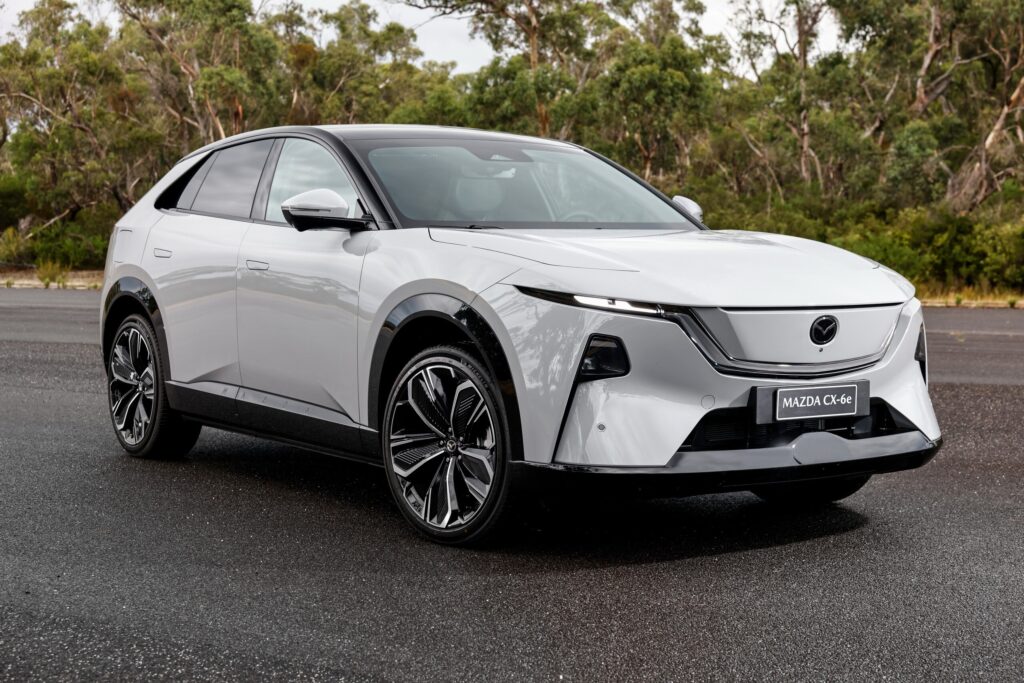
However, Mazda is not abandoning EVs entirely. The automaker will continue to sell electric models such as the 6e and CX-6e (pictured below), developed jointly with Chinese partner Changan, in overseas markets including Europe and Australia.
Mazda
Mazda’s cautious strategy has proven surprisingly far-sighted in an unstable market. While industry giants suffer colossal losses from hasty EV investments that did not meet expectations, Mazda maintains financial stability and flexibility. The decision to focus on hybrids, which are already showing high demand, especially in the US, allows the company not only to avoid losses but also to gain a competitive advantage in a growing segment. The proprietary hybrid system for the CX-5 demonstrates a commitment to technological independence, while collaboration with Changan for markets outside the US shows that Mazda is not ignoring the fully electric future but is approaching it with utmost caution, waiting for more favorable market conditions.