
 by
by FTC Intensifies Pressure on Dealers: How Car Price Display Rules Are Changing
The Federal Trade Commission (FTC) is tightening oversight of auto dealers’ advertising practices, and major car sales platforms are now being forced to adapt. After the commission sent warning letters to 97 dealer groups, giants like Autotrader, Cars.com, and others began changing how they display prices. Although these sites are not directly responsible for setting prices, this move signals broader changes in how buyers receive information about the cars they are interested in.
What Caused the Warnings?
Back in March, the FTC sent warning letters to 97 dealer groups, accusing them of six advertising practices the agency considers illegal. These include advertising cars that are not actually available for sale and displaying prices that do not include mandatory dealer fees.
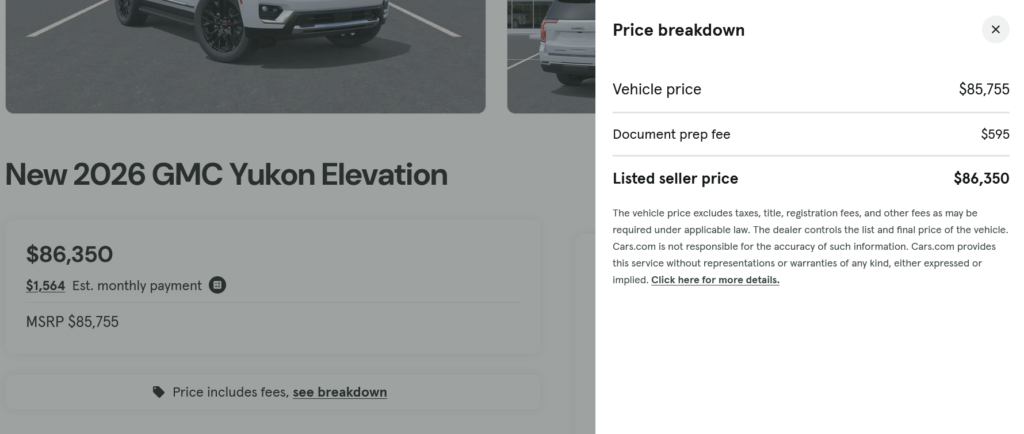
According to the FTC’s position, advertised prices must include all fees imposed by the dealer, except for government taxes and fees. Additionally, the price cannot depend on financing through the dealership, making a large down payment, or meeting requirements for discounts that are not generally available.
Regulator’s Position: Responsibility for Advertising
The warning letters have significant impact, as they are aimed not only at individual sellers. Christopher Muharridge, Director of the FTC’s Bureau of Consumer Protection, made it clear during an April webinar organized by the National Automobile Dealers Association that the agency expects attention from the entire industry.
If you can control what is in the advertisement, then you are responsible for it, Muharridge stated.
How Are Online Platforms Responding?
According to Auto News, Cars.com, TrueCar, CarGurus, Carfax, and Autotrader have announced the launch of new tools or updates to displays aimed at better highlighting the total price and itemized fees. Some platforms are making the total cost more prominent, while others are introducing badges that identify listings where dealer fees are already included. These changes are undoubtedly positive for consumers.
Implications for the Market and Consumers
Greater transparency in pricing means fewer instances of “bait and switch,” where the price online is one thing, and at the negotiation table in the dealership, it is quite another. Although these third-party listing sites may not be under the same scrutiny as the dealers themselves, violating FTC rules can quickly become costly. A single policy violation can result in fines exceeding $53,000.
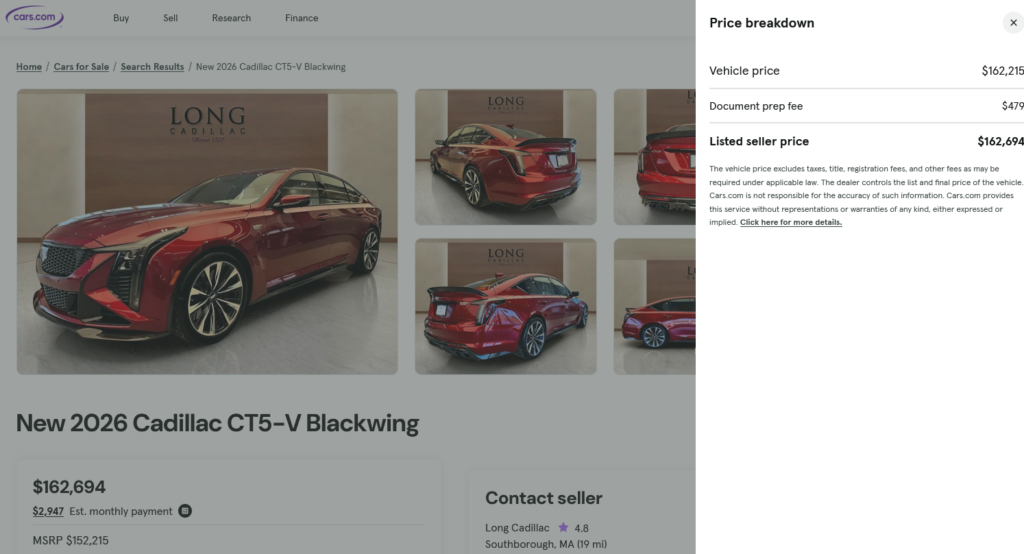
Photo: Cars.com / Long Cadillac
These changes occur against the backdrop of a general trend toward strengthening consumer protection in the United States. Previously, the FTC has filed lawsuits against companies that misled customers about service cancellation terms, indicating the regulator’s systematic approach to combating unfair practices. For the Ukrainian market, this situation could serve as a useful example of how regulatory pressure can change the behavior of even large players, increasing transparency and trust in the used car market. Implementing clear rules for displaying the full cost of a car, including all fees, could significantly reduce the number of fraudulent schemes and simplify the selection process for buyers.